

A Vision Born of Generosity
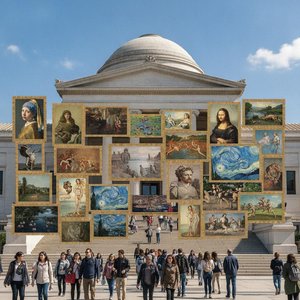
The story of the National Gallery of Art begins with the ambition of Andrew W. Mellon, a man whose influence as a banker and U.S. Treasury Secretary shaped the very foundations of this institution. In 1937, through a joint resolution of the United States Congress, a plan emerged to establish a gallery for the American people, fueled by Mellon's private collection and significant funds. This was not merely an act of donation but a deliberate effort to create a space where art could be encountered freely. The initial acquisitions arrived in the early 1930s, including twenty-one paintings from the Hermitage Museum in St. Petersburg, which brought works such as Raphael’s Alba Madonna and Jan van Eyck’s Annunciation to Washington.
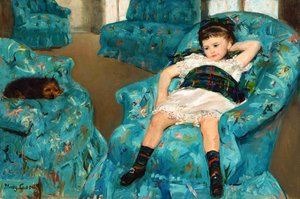
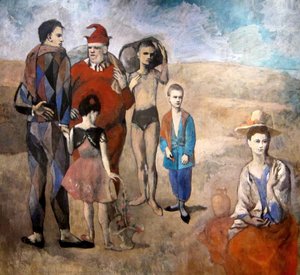
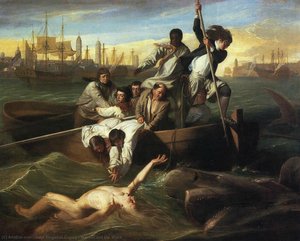
As decades passed, the collection grew through the contributions of others, including Paul Mellon, Ailsa Mellon Bruce, and Chester Dale. These additions expanded the holdings from Renaissance treasures to the structural revolutions of the twentieth century. The presence of Leonardo da Vinci’s Ginevra de' Benci remains a singular moment in the Americas, as it is the only painting by this master on permanent public display here. The collection traces a path through the Middle Ages to the present day, encompassing diverse forms such as:
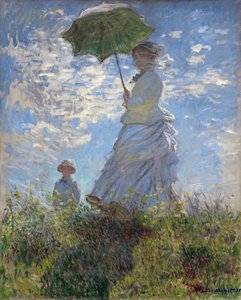
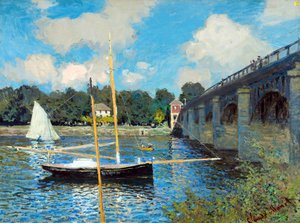
- The heavy, textured brushstrokes of Claude Monet
- The bold, color-driven compositions of Henri Matisse
- The intricate, patterned symbolism in works by Gustav Klimt
- Large-scale kinetic movements found in the mobiles of Alexander Calder
Architectural Dialogue Between Eras
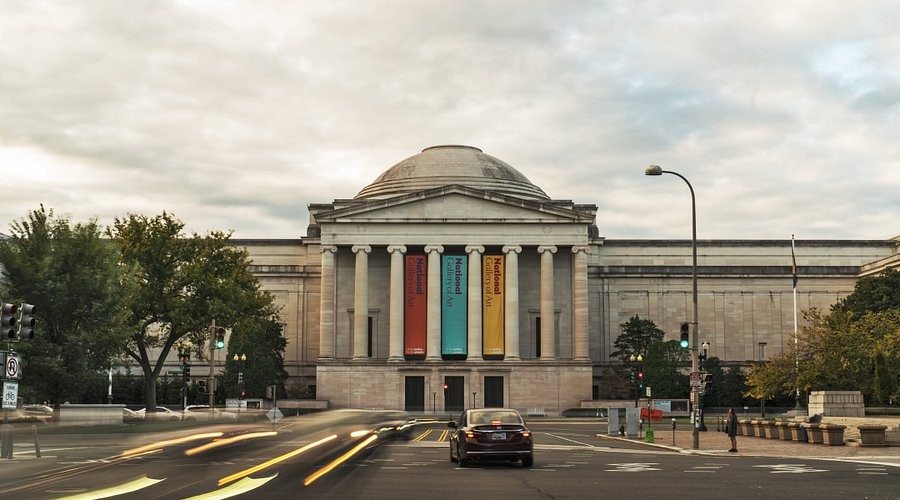
The physical presence of the National Gallery of Art is defined by a striking contrast between two distinct architectural philosophies. The West Building, designed by John Russell Pope, reflects the classical traditions of ancient Rome and Renaissance Italy. Its marble floors and soaring ceilings create an atmosphere of quietude, where light enters through arched windows to illuminate the halls. This structure was completed and accepted by President Franklin D. Roosevelt on March 17, 1941, occupying the site where the Baltimore and Potomac Railroad Station once stood.
In a sharp departure from this neoclassical gravity, the East Building represents the arrival of modernism. Conceived by I.M. Pei and opened in 1978, this wing introduces sharp geometries and marble surfaces that catch the light in new ways. The two buildings are physically linked by an underground passage, a transition made even more striking by the Multiverse installation by Leo Villareal. This permanent light feature uses over 41,000 LED nodes to cast shifting patterns across a two00-foot span. Adjacent to these structures lies the 6.1-acre Sculpture Garden, where the landscape itself becomes part of the experience, featuring works like Robert Indiana's AMOR .