

The Architecture of San Fernando
The building on Calle de Fuencarral, 78, carries the weight of its former life as the Royal Hospice of San Fernando. Designed by Pedro de Ribera, the structure is a profound expression of the Baroque style. Its façade, constructed from granite and dolomite, features a doorway that remains a central focus of the streetscape. This architectural presence, characterized by its intricate stone carvings and metal elements, has occupied this space since the 17th and 18th centuries. The building’s history is etched into its very walls, reflecting a period when it served as a sanctuary for the city's most vulnerable residents.
The physical presence of the hospice provides a heavy, grounded atmosphere for the objects held within. The granite surfaces and the specific geometry of the Baroque doorway create a sense of permanence. It is a space where the urban evolution of Madrid is physically contained, transitioning from a site of social refuge to a repository of the city's material memory.
The Collected Memory of a Capital
Within these walls, the history of Madrid is articulated through a vast assembly of objects. The collection spans from the moment the city became the Spanish capital in 1561 through the early 20th century. The items gathered here are not merely artifacts but are the tangible remnants of a changing urban landscape. The presence of these objects allows for a quiet observation of how a city transforms from a medieval settlement into a modern center of power.
The collection is organized around several thematic threads:
- Historical maps and cartographic documents that trace the city's expansion.
- Porcelains from Buen Retiro and delicate silverwork.
- A large-scale cartographic model of Madrid from 1830, created by León Gil de Palacio.
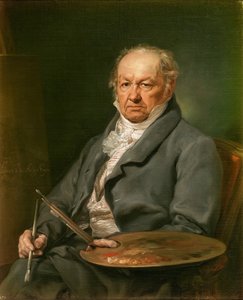
- Paintings, including the Allegory of the City of Madrid by Francisco Goya.
- A diverse array of furniture, fans, weapons, and coins.
The scale model of the 1830 city layout offers a specific, detailed perspective on the 19th-century urban fabric. It sits in the cartography room on Floor -1, providing a physical dimension to the historical maps found elsewhere in the building. Alongside these, the paintings by masters such as Velázquez and Ribera offer a visual record of the people and scenes that once defined the capital.
A Record of Urban Life
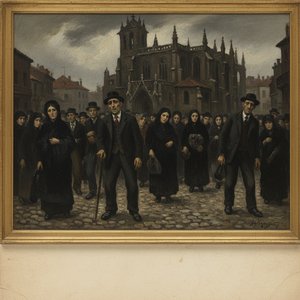
The museum's holdings extend beyond fine art into the realm of the everyday. Through historical photographs, postcards, and drawings, the nuances of Madrileño life are preserved. These items, alongside the pieces from the house of Mesonero Romanos and the studio of Gutiérrez Solana, provide a granular view of the city's social customs. The collection functions as a layered archive, where the grand narratives of the court meet the intimate details of domestic life and industry.