


Origins and History of the Museum
The Martin von Wagner Museum emerged from the personal legacy of a man whose life was deeply intertwined with the visual arts. Martin von Wagner was a sculptor, painter, and art agent to the Bavarian Crown, a figure whose diverse talents shaped the collections found here. Following his death in 1858, his extensive holdings provided the foundation for what would become one of the largest university museums in Europe. The Antiquities Collection specifically began to take shape in 1859, arising directly from his estate.
The institution grew from this singular collection into a significant center for academic study and preservation. It remains a vital part of the University of Würzburg, maintaining a presence that links the private passions of a nineteenth-century collector to the systematic study of history. The museum's existence is rooted in the transition of these private treasures into a public, scholarly resource, ensuring that the objects gathered by Wagner continue to be studied within the context of the university's mission.
The Building and its Architecture
The museum occupies the south wing of the Würzburg Residence, a structure recognized as a UNESCO World Heritage site. Situated at Residenzplatz 2, Tor A, in Würzburg, Germany, the building provides a formal setting for the collections housed within its walls. The architecture of the residence provides a specific context for the various departments, which are divided between the Antiquities Collection and the Painting Gallery with Graphic Collection.
The placement of the museum within the south wing allows for a direct connection to the historical fabric of the city. The physical presence of the Würzburg Residence dictates the atmosphere of the galleries. Light and space within these halls are shaped by the original design of the palace. The museum's location within this specific architectural ensemble ensures that the objects are viewed within a setting of significant historical weight.
The Antiquities Collection
The collection spans over 4,000 years of art and cultural history from the Mediterranean world. It brings together high-ranking artworks from early high civilizations through to modernity. Within the museum, the focus rests heavily on ceramics dating from 1500 BC to 300 AD. These objects offer a tangible connection to the daily lives and spiritual practices of ancient peoples.
A significant portion of the holdings consists of Greek vases from the golden age, specifically between 560 and 300 BC. These vessels form the core of the department. Alongside these, the collection includes small arts from Egypt, Greece, Etruria, and the Roman Empire. Such items allow for a close examination of the craftsmanship used by these diverse cultures.
The presence of stone sculptures and various small-scale objects provides a sense of the material reality of the ancient world. The collection is organized to reflect the evolution of these Mediterranean societies through their physical remains.
The Painting Gallery and Graphic Collection
The collection spans a broad chronological arc, bringing together works from the 14th to the 20th centuries. The paintings reflect a deep engagement with German, Dutch, and Italian traditions. Within these halls, the presence of Pieter Claesz is felt through still lifes that demand a slow, steady gaze. One might find a composition of a roemer, lemon, and oysters from about 1640, or another featuring bread, fruit, and salmon from about 1631. These works possess a quiet, material weight that anchors the room.
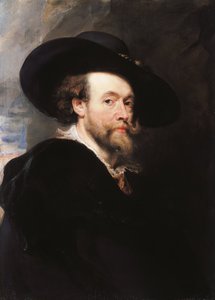
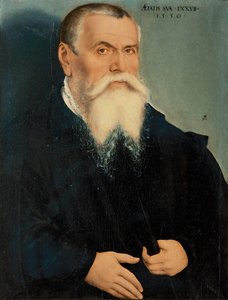
The Italian influence is equally present, manifesting in the works of Peter Paul Rubens and François De Nomé. Rubens offers a sense of movement and scale, while De Nomé provides a different perspective on the Baroque. Other significant presences include the works of Lucas Cranach the Elder and the Monogrammist HB with the Griffin's Head. The collection also holds a piece by the Monogrammist HB with the Griffin's Head, specifically the Caritas Romana from 1546. These objects exist as physical remnants of past artistic intentions, inviting a silent contemplation of form and light.
Beyond the canvases, the gallery incorporates sculptural elements that provide a tactile dimension to the space. The works of Tilman Riemenschneider and his school are central to this presence, offering a study in wood and shadow. The arrangement of these pieces allows for a dialogue between the two-dimensional surface of the paintings and the three-dimensional relief of the sculpture.
- Christ as the Man of Sorrows - Lucas Cranach the Elder
- Lot and his family escaping from Sodom, 1615 - Peter Paul Rubens
- Still life with roemer, lemon and oysters, 1640 - Pieter Claesz
- Caritas Romana, 1546 - Monogrammist HB with the Griffin's Head
- Still life with roemer, bread, fruit and salmon, 1631 - Pieter Claesz
- Solomon in the Temple - François De Nomé
Major Acquisitions and Restitutions
The collection has been shaped by significant acquisitions that anchor the Painting Gallery. Among these, the portrait of Sebastiano Serlio by Bartolomeo Passerotti holds a particular place. It represents the most valuable painting ever purchased for the university museum. The work possesses a specific presence, a quiet weight that marks its importance within the institution's holdings.
The museum also engages with the difficult histories of its objects through active provenance research. In 2022, a small altar was returned to the heirs of a Jewish family. This object had been taken from the Seligsberger family during the era of National Socialism. Following the determination of the rightful owners, a decision was reached regarding its future. The heirs chose to leave the work in its current location as a permanent loan, allowing the piece to remain within the museum's walls while acknowledging its history through a commemorative plaque.
Exhibitions and Research
The museum maintains a rigorous commitment to historical integrity through its scholarly investigations. It holds the distinction of being the first university art museum in Germany to systematically investigate its holdings for provenance. This dedication to transparency was furthered by a provenance research project, which received funding from the German Center for Cultural Heritage Losses for a period of three years.
The current exhibition schedule includes the special exhibition "Angst! - Magie, Heilung und Schutz in der Antike," which is scheduled to run from 14.11.26 to 16.05.27. This particular presentation is offered with free admission. Such focused inquiries into the past allow for a deeper understanding of the objects held within the collection.


