


A Chronicle Etched in Stone and Spirit: Unveiling the Museum of London
The Museum of London isn’t merely a repository of artifacts; it's a vibrant, breathing testament to the ceaseless evolution of one of the world’s most storied cities. From the whispers of Roman settlements beneath its pavements to the pulsating rhythms of contemporary London, the museum offers an unparalleled journey through time—a meticulously curated exploration of human experience woven into the very fabric of this metropolis. Its recent relocation to the historic Smithfield Market building marks a pivotal moment, promising expanded horizons and deeper engagement with the city’s complex narrative. The move itself is significant, not just as a change of address but as an embrace of place—a recognition that London's story isn’t confined to grand monuments or carefully preserved relics, but resides in the everyday lives lived across millennia.
The museum’s collection is a breathtaking mosaic of eras and disciplines. The Roman treasures, unearthed from the very foundations of Londinium, are particularly compelling – shimmering mosaics hinting at imperial grandeur, sculpted figures offering intimate glimpses into the lives of those who walked these streets nearly two thousand years ago. Beyond the ancient world, the Cheapside Hoard, a dazzling collection of Elizabethan and Jacobean jewelry, speaks volumes about wealth, fashion, and social status during a period of burgeoning prosperity. Imagine the glittering silks, the intricate enamel work, reflecting the ambitions and desires of London’s elite. Nearby, the evocative remains of the London Mithraeum transport visitors to the shadowy world of Roman religious practice – a subterranean sanctuary dedicated to the god Mithras, offering a tangible connection to beliefs long past. More recently, the museum has embraced contemporary social commentary, showcasing objects like the infamous Whitechapel fatberg—a grotesque yet strangely fascinating testament to modern urban life—and the Trump baby blimp, a potent symbol of political dissent. These aren’t simply exhibits; they are cultural touchstones, prompting reflection on who we are and where we come from.
A Building Reflecting Change: Past, Present & Future
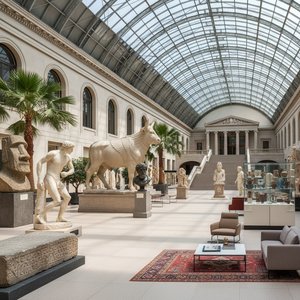
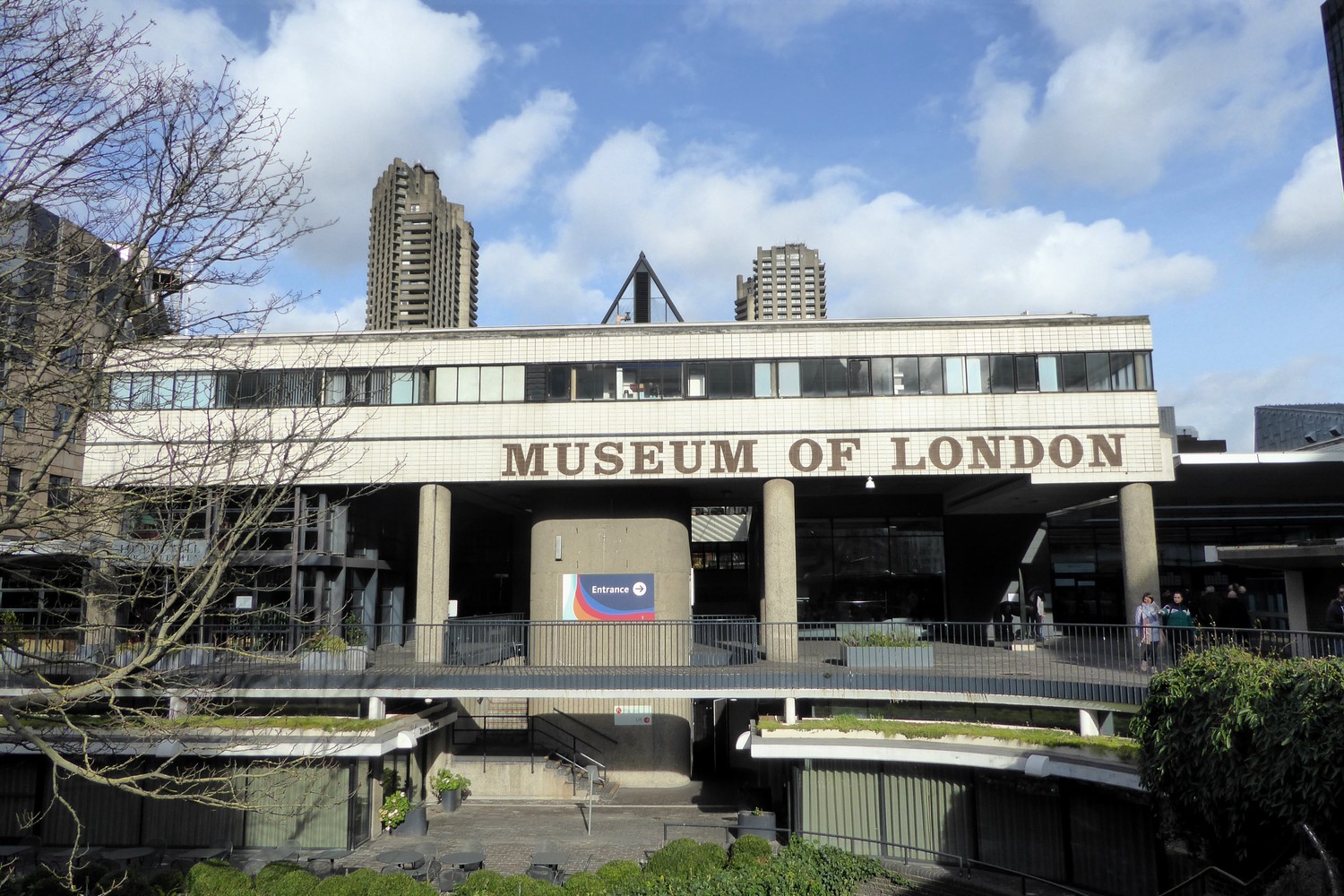
The Museum's physical evolution mirrors its expanding scope. For decades, the Barbican complex served as a fitting home—a modernist structure reflecting the post-war ambition to rebuild and reimagine London. However, the impending move to Smithfield Market represents more than just a change of address; it’s an opportunity for expansion and enhanced accessibility. The new space will allow a far greater proportion of the museum's astonishing six million objects to be displayed, offering visitors a richer, more immersive experience. This deliberate choice signifies a renewed commitment to engaging with the public and ensuring that London’s story is told in its entirety. The architectural grandeur of Smithfield Market itself—a Victorian masterpiece—provides a stunning backdrop for this next chapter, seamlessly blending historical context with modern museum design. The building's original purpose as a bustling marketplace – a hub of trade, social interaction, and everyday life – resonates deeply with the museum’s mission to document London’s social history.
The World Within a City: A Unique Perspective
What truly distinguishes the Museum of London is its singular focus—a concentrated dedication to the story of one city. It isn't attempting to encompass global art or universal history; instead, it dedicates itself entirely to the evolution of London – a city that has served as a microcosm for broader historical trends and societal shifts. This focused approach allows for an unparalleled depth of understanding, revealing the intricate connections between people, places, and events over centuries. The museum’s collection is not static; it's a living archive, constantly evolving to reflect the city’s ongoing story. It stands apart from other institutions by prioritizing the specific experiences and transformations within London itself, offering a unique lens through which to examine the broader currents of human history.
A Tapestry of Time: Notable Exhibitions & Ongoing Exploration
The Museum of London regularly hosts exhibitions that delve into specific facets of the city’s past. Currently, “London: Aftermath” explores the impact of World War II on London's social and cultural landscape, while future exhibits promise to illuminate themes ranging from Victorian innovation to the rise of multiculturalism. The museum also maintains a robust program of temporary displays featuring loans from other institutions and private collections, ensuring that visitors are continually exposed to new perspectives and discoveries. Beyond these curated exhibitions, the permanent galleries offer an ongoing exploration of London’s history—a chance to wander through recreated Victorian streets, examine ancient Roman artifacts, or contemplate the city's role in shaping global events. The museum actively encourages community engagement, hosting workshops, lectures, and family activities that foster a deeper appreciation for London’s rich heritage.