
Origins and History of the Musee de l'Orangerie
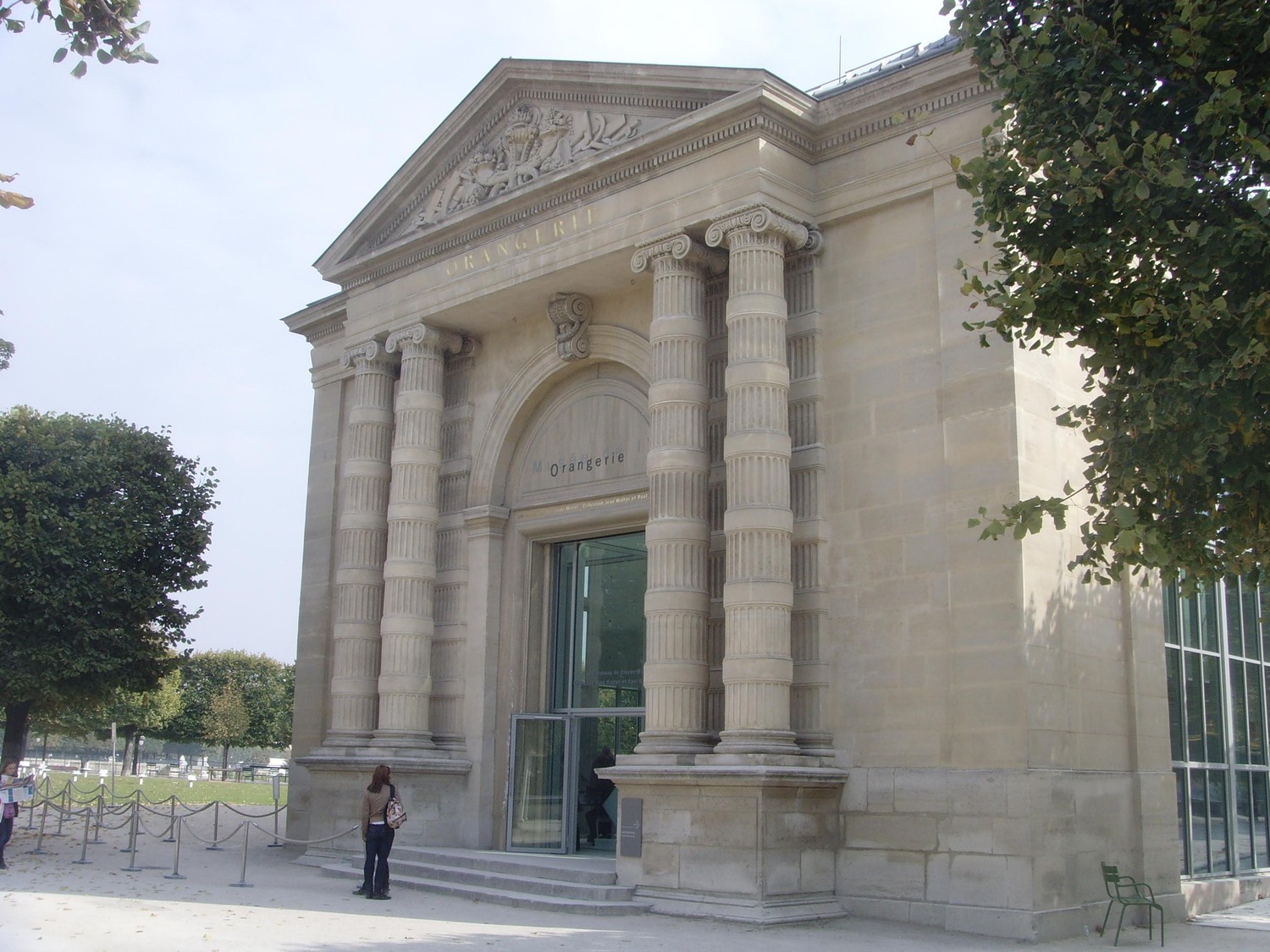
The Musee de l'Orangerie is an art gallery located in Paris, France. The building was established in 1852 to serve a practical purpose within the Tuileries Garden. It was originally conceived as a charming orangery designed to house the citrus trees of the Palais des Tuileries during the winter months. This function as a greenhouse for Napoleon III's orange trees defined the structure's early existence.
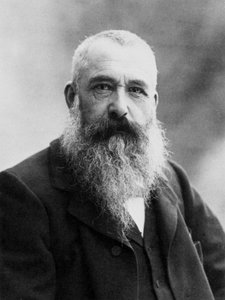
The transition from a functional orangery to a space for art occurred following the First World War. In 1921, the State assigned the building to the Under-Secretariat of State for Fine Arts. This decision followed a proposal to provide a permanent location for large-scale works that required specific environmental conditions. The institution was inaugurated on 17 May 1927 as the Musée Claude Monet.
The Building and its Architecture
Situated in the west corner of the Tuileries Garden in Paris, France, the building occupies a surface area of 6,300 m2. Its design is characterized by an elegant glass façade and an understated aesthetic that integrates into the surrounding garden. Originally constructed in 1852 to house citrus trees for the Palais des Tuileries, the structure was later repurposed to provide a dedicated space for the display of fine arts.
The interior architecture is defined by two oval rooms designed by Camille Lefèvre. These rooms are arranged to form the shape of the infinity symbol. This specific configuration was conceived to accommodate the scale of the large-format paintings within the collection. The orientation of these rooms follows an east to west axis, placing the interior in the direct path of the Sun. This placement allows natural light to filter through the skylights, changing the illumination of the space throughout the day.
The Water Lilies Collection
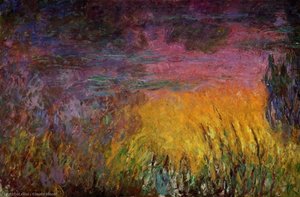
The focal point of the museum is the installation of eight large Water Lilies murals by Claude Monet. These panels were conceived specifically for the unique oval rooms of the Orangerie. Each panel measures 2 metres in height, and the total length of the series spans 91 metres. The arrangement of the two oval rooms forms the shape of the infinity symbol.
The installation relies on the movement of natural light. Skylights allow light to flood the rooms from above, creating an ever-changing atmosphere within the space. This light interacts with the surfaces of the paintings, reflecting the shifting ambiance of the garden at Giverny. The orientation of the rooms follows an east-to-west axis, following the path of the sun.
- Morning (left detail), 1920 - Claude Monet
- Sunset (left half), 1920 - Claude Monet
- Green Reflection (right half), 1920 - Claude Monet
The Jean Walter and Paul Guillaume Collection
The museum houses the Jean Walter and Paul Guillaume collection, a significant assembly of 148 works dating from 1860 to the 1930s. This collection was formed by Paul Guillaume, a French art dealer. Following his death, the collection was acquired by the State in 1959 and 1963 under usufruct. It was always intended to be presented within these walls.
The selection includes works by several pivotal figures of the era. The collection features paintings by Henri Matisse, Auguste Renoir, Pablo Picasso, and Paul Cézanne. It also contains pieces by Paul Gauguin, Alfred Sisley, Amadeo Modigliani, and Marie Laurencin. These works represent a specific period of transition in modern art history.
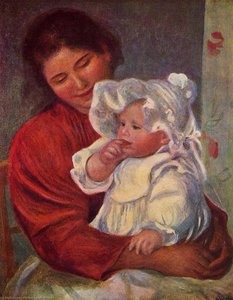
- Gabrielle and Jean, 1895
- The Wedding, 1904
- The Chair Factory, 1897
Major Masterpieces of the Collection
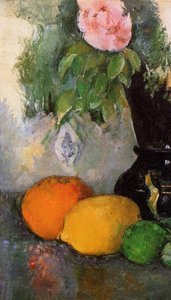
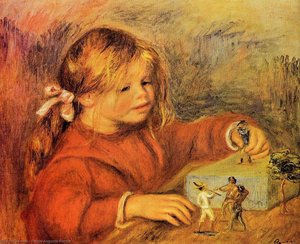
The collection features a significant assembly of works from the late 19th and early 20th centuries. Pierre-Auguste Renoir is represented by several pieces, including Gabrielle and Jean (about 1895) and Girls at the Piano (about 1892). His explorations of form and light continue through works such as The Clown (about 1909) and Young Man and Young Woman (about 1876). These paintings sit alongside the expressive compositions of Henri Matisse and the structural investigations of Paul Cézanne, such as Flowers and Fruit (about 1880) and Trees and houses (about 1886).
The museum also houses the works of Henri Julien Félix Rousseau, known as Le Douanier. His contributions include The Wedding (about 1904), Child with Doll (about 1904), and The Chair Factory (about 1897). Other notable figures in the permanent collection include Amedeo Modigliani, Pablo Picasso, Alfred Sisley, Chaïm Soutine, and Maurice Utrillo. These artists represent the evolution of modern art through their distinct approaches to color and subject matter.
- Portrait of Paul Cezanne, the Artist's Son, about 1883
- Snowy Landscape, about 1875
- The Fishermen and the Biplane, about 1908
- Old Junior's Cart, about 1908
Exhibitions and Research
The museum maintains a consistent program of temporary exhibitions designed to explore various facets of modern art. The western half of the building is specifically dedicated to these rotating displays, which are organized in collaboration with the Louvre and other national museums. This arrangement allows the institution to present diverse movements alongside its permanent collections.
The history of the museum's programming includes several significant thematic cycles. Between 1930 and 1933, the institution hosted a dedicated exhibition on Impressionism. Subsequent years saw focused studies on specific artists and styles, such as the 1934 exhibition Peintres de la realité and a 1936 exhibition titled Rubens et son temps. In 1937, the museum held a dedicated exhibition focused on the work of Degas.
Recent Projects and Renovations
The structural integrity and presentation of the museum have undergone significant updates to ensure the preservation of its collections. Between 1978 and 1984, a major renovation project was conducted to consolidate the buildings and refurbish the interior rooms. These efforts focused on the long-term stability of the site and the refinement of its exhibition spaces.
In autumn 2020, the museum introduced a renewed presentation of its collections. This recent reorganization was designed to create a more fluid connection between the various artistic elements housed within the walls. The current layout establishes a visual and spatial dialogue between the Water Lilies decor and the paintings of the School of Paris. This approach allows for a more cohesive experience as visitors move through the spaces.
Visiting the Musee de l'Orangerie
The museum is situated at the western end of the Terrasse du bord de la Seine, within the Jardin des Tuileries in Paris, France. It is open to the public from 9am to 6pm. Visitors should note that the institution is closed on Tuesdays. To ensure a controlled environment for the collections, it is necessary to book a specific time slot in advance.
The layout allows for a focused study of the permanent collections. The architecture facilitates a direct encounter with the light and scale of the works on display. Visitors can observe the following pieces within the galleries:
- Gabrielle and Jean, 1895 - Pierre-Auguste Renoir
- Flowers and Fruit, 1880 - Paul Cézanne
- The Wedding, 1904 - Henri Julien Félix Rousseau (Le Douanier)
- The Chair Factory, 1897 - Henri Julien Félix Rousseau (Le Douanier)
- Old Junior's Cart, 1908 - Henri Julien Félix Rousseau (Le Douanier)
The museum's location near the Place de la Concorde provides a quiet setting for contemplation. The natural light entering through the skylights is a fundamental part of the viewing experience, particularly in the rooms designed for the large-scale murals. Planning a visit around the scheduled hours ensures the intended atmosphere of the space is maintained.