

A Portal to European Grandeur
Nestled within the historic heart of Bordeaux, France, the Musée des Beaux-Arts de Bordeaux stands as a profound testament to centuries of artistic evolution and regional pride. To step through its doors is to embark on a journey through the very soul of European heritage, where the echoes of the Renaissance meet the vibrant energy of the modern era. The museum does not merely display art; it preserves a dialogue between eras, offering a sanctuary where history and beauty converge in a seamless, breathtaking narrative. Founded by the visionary painter Pierre Lacour, this institution has blossomed into one of France’s most significant art galleries outside the capital, serving as a luminous beacon for connoisseurs and travelers alike.
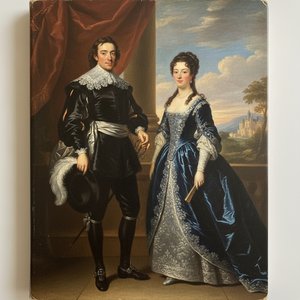
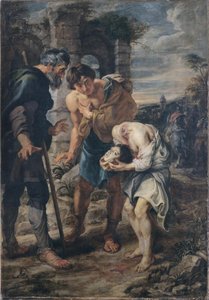
The collection itself is a magnificent tapestry of human creativity, woven from the finest threads of French, Flemish, and Dutch mastery. Visitors are often first captivated by the sheer drama of the Baroque period, most notably through Peter Paul Rubens’ Martyrdom of Saint Georges , a work that commands the room with its intense fervor and masterful use of light and shadow. This sense of grandeur continues through the elegant portraiture of Van Dyck and the atmospheric compositions of Magnasco, which transport the viewer to the opulent courts of the Elizabethan and Venetian eras. Beyond these monumental canvases, the museum offers intimate encounters with the 20th century, including the spirited Fauvist works of Albert Marquet, such as his evocative Life Class at the École des Beaux-Arts , where bold colors and energetic brushstrokes breathe a contemporary vitality into the historic halls.
Architectural Splendor and Historical Depth
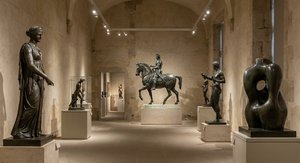
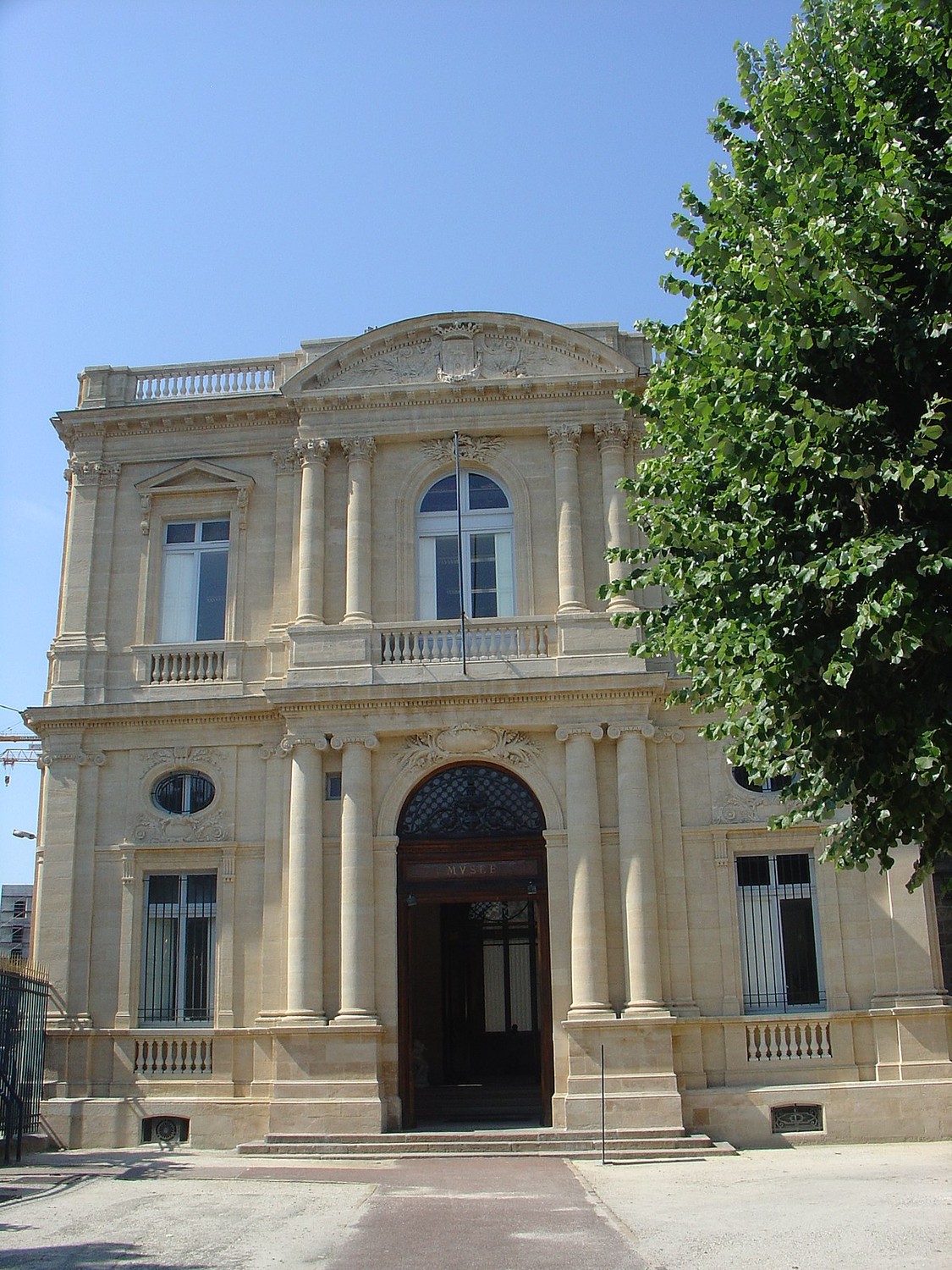
The architectural setting of the museum is as much a masterpiece as the paintings it protects. Housed in a stunning dependency of the Palais Rohan , the building itself is an exquisite example of Belle Époque design, constructed between 1875 and 1881. As one wanders through its soaring galleries, the ornate ceilings and light-filled spaces create an ethereal atmosphere that elevates the viewing experience. The museum’s history is also etched into its very stones; it holds poignant reminders of the turbulent years following the French Revolution, including pieces that were once lost to political upheaval. This layer of historical vulnerability adds a profound depth to the museum, reminding us that art is both a witness to and a survivor of human conflict.
For those seeking contemporary inspiration, the Galerie des Beaux-Arts —an addition built between 1936 and 1939—serves as a dynamic stage for temporary exhibitions. Here, the museum continues to challenge and delight, rotating displays that bring the works of legends like Rodin, Matisse, and Picasso into conversation with the classical treasures of the permanent collection. Whether you are an art historian tracing the lineage of European technique, a collector seeking inspiration in the classics, or an interior designer searching for the timeless elegance of the Old Masters, the Musée des Beaux-Arts de Bordeaux offers an unforgettable immersion into the enduring legacy of artistic innovation.