

The History of Frida Kahlo Museum
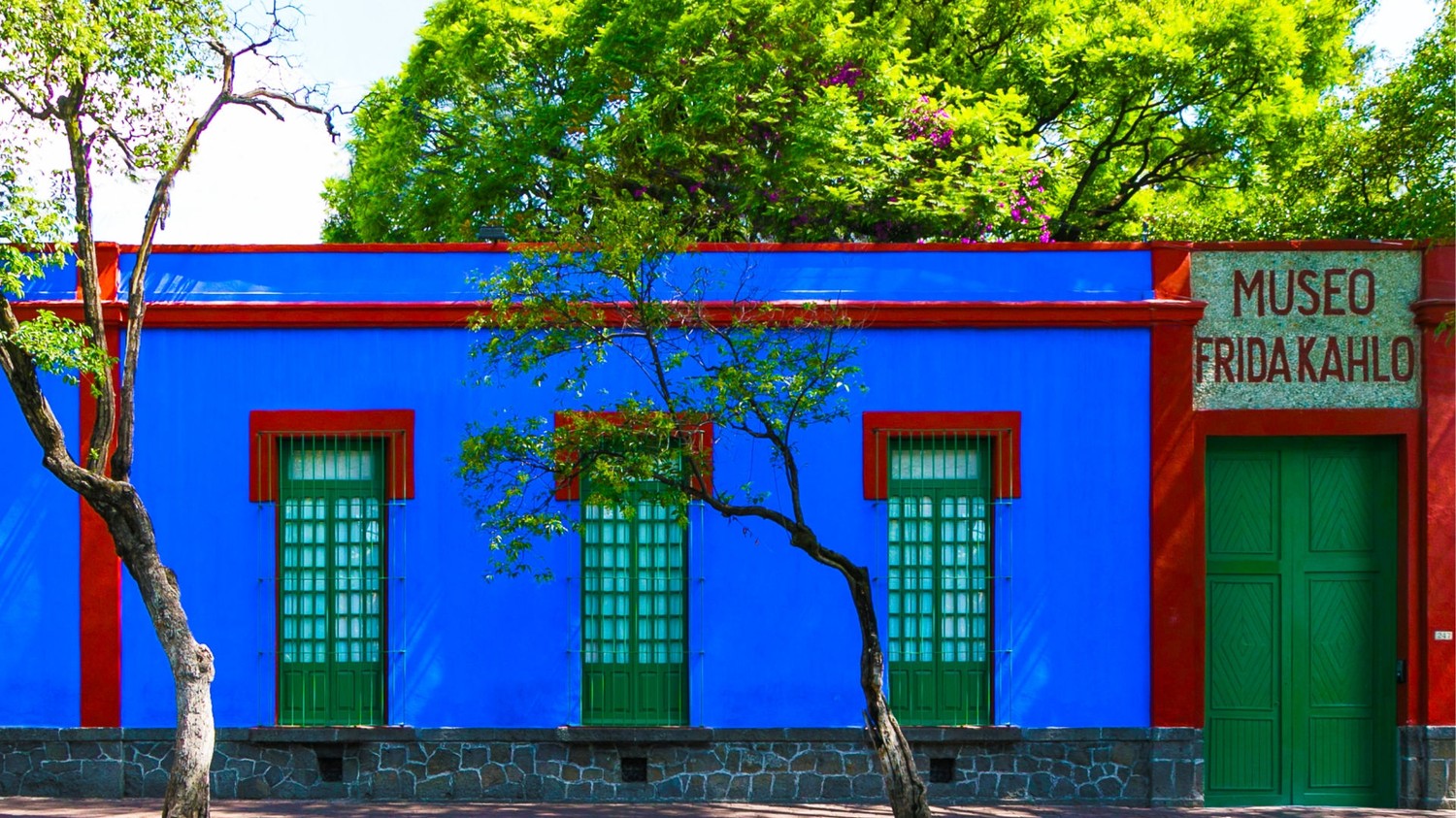
The Frida Kahlo Museum, frequently referred to as Casa Azul or the Blue House, occupies a structure built in 1904. This residence served as the birthplace and childhood home of the artist, and it remained the site of her life and death. The walls, painted a distinctive cobalt blue, define the character of the building in the Colonia del Carmen neighborhood of Coyoacán, Mexico City.
In 1957, Diego Rivera donated the house and its contents to establish a museum in honor of Kahlo. Following this donation, the site has functioned as a museum since 1958. The transition from a private residence to a public institution preserved the space where the artist lived and worked alongside Rivera. The building remains a physical presence of her lived experience in Mexico City, Mexico.
The Architecture of Casa Azul
Located at the corner of Londres and Allende Streets in the Colonia del Carmen neighborhood of Coyoacán, Mexico City, the building is defined by its distinctive cobalt-blue walls. This color gives the structure its name, La Casa Azul. The house was the site of Frida Kahlo's birth and served as her childhood home. It later became the residence where she lived with Diego Rivera for many years.
The interior is organized into ten rooms. These spaces retain the atmosphere of the period when the artist lived and worked within them. The architecture provides a physical connection to the private life of the artist, preserving the specific environment of her domestic existence. The layout remains largely as it was during the mid-twentieth century.
Collections of Art and Personal Items
The rooms of Casa Azul hold an assembly of works that reflect the intersection of private life and public expression. The collection includes paintings by Frida Kahlo and Diego Rivera, alongside pieces by other artists. These works exist alongside Mexican folk art and pre-Hispanic artifacts, creating a space where different eras of Mexican history reside together. Photographs and documents are preserved here, offering a quiet record of the lives lived within these walls.
Personal items and furniture remain in the spaces they once occupied, maintaining the environment that shaped Kahlo's daily existence. These objects, including memorabilia and various household items, are not merely displays but are the actual remnants of a lived reality. The presence of these items provides a tangible connection to the domestic atmosphere of the house.
- Portrait of My Father, 1951
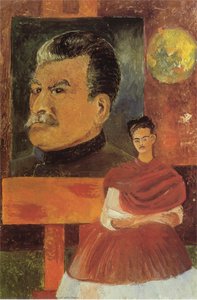
- Self Portrait with Stalin, 1954
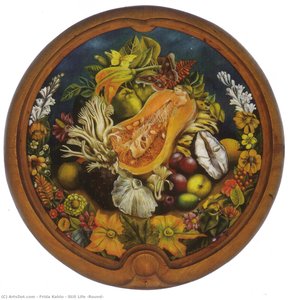
- Still Life (Round), 1942
- Magnolias, 1945
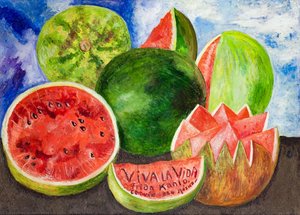
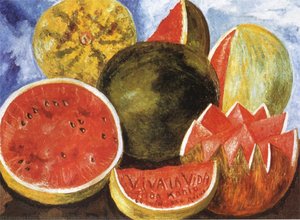
- Viva la Vida, 1954
- Portrait of Frida's Family, 1954
Masterpieces of the Collection
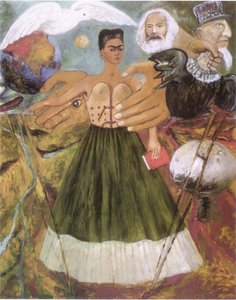
The presence of Frida Kahlo’s canvases within the walls of Casa Azul carries a weight that transcends mere observation. One encounters Viva la Vida, a work from 1954, which remains a profound presence in the collection. Nearby, the 1954 painting Marxism Will Give Health to the Sick offers a starker, more political dimension to her output. These works, alongside Self Portrait with Stalin from 1954, reflect the complex intersection of her personal convictions and her physical reality during her final years.
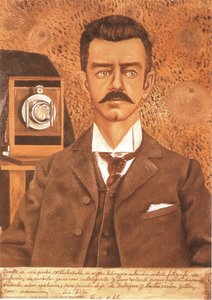
The collection also holds works that speak to her lineage and her quieter observations. Portrait of My Father, painted in 1951, recreates her family tree through the likeness of Guillermo Kahlo. In other moments, the focus shifts to the botanical and the still life. Magnolias (1945) and Still Life with Flag (1954) exist as tangible remnants of her gaze, capturing specific textures and symbols that defined her visual language. To stand before these paintings is to encounter the artist's uncompromising honesty.
- Viva la Vida, 1954
- Portrait of My Father, 1951
- Self Portrait with Stalin, 1954
- Magnolias, 1945
- Marxism Will Give Health to the Sick, 1954
- Still Life with Flag, 1954
Exhibitions and Research Activities
The museum hosts numerous exhibitions that place Kahlo’s oeuvre alongside complementary artworks. These displays allow for a deeper understanding of her artistic legacy through the lens of her personal history and cultural context. By presenting her paintings in dialogue with other pieces, the institution explores themes of identity and femininity that defined her life.
Scholars and researchers from across the globe engage with the museum to study the complexities of her work. This academic presence fosters an ongoing dialogue regarding her life and cultural significance. Through artist talks, workshops, and educational programs, the museum maintains a continuous connection to her creative spirit. These activities ensure that her influence remains a subject of active study and reflection.