
A Mediterranean Sanctuary of Poetry and Pigment
Perched majestically upon the sun-drenched slopes of Mont Saint Clair, the Musée Paul Valéry serves as a profound sanctuary where the boundaries between literature and visual art dissolve into the Mediterranean breeze. In the coastal jewel of Sète, France, this institution offers far more than a mere gallery experience; it is a contemplative journey through the very essence of consciousness. The museum’s location, overlooking the poignant stillness of the sailor’s cemetery and the shimmering expanse of the sea, provides a natural stage for its mission: to honor the intellectual legacy of the celebrated poet Paul Valéry while celebrating the vibrant evolution of modern French painting.
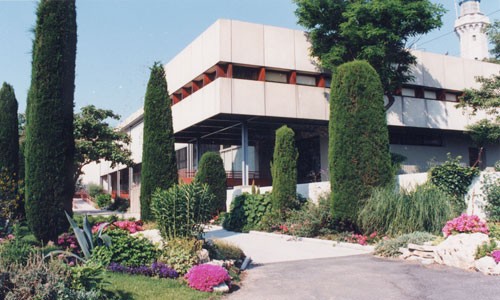
The architecture itself, a modernist masterpiece designed by Guy Guillaume, acts as a silent protagonist in the museum's narrative. Drawing inspiration from the geometric rigor and functional elegance championed by Le Corbusier, the structure is defined by its clean lines and intentional relationship with the landscape. Expansive terraces and large windows invite the golden light of the Occitanie region to dance across the gallery walls, blurring the distinction between the curated interior and the breathtaking natural vistas outside. This architectural harmony creates a seamless transition for the visitor, moving from the rugged beauty of the hillside into spaces that feel both intimate and infinitely open.
A Tapestry of Masterpieces and Modern Spirit
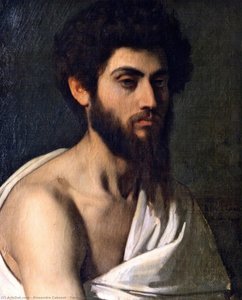
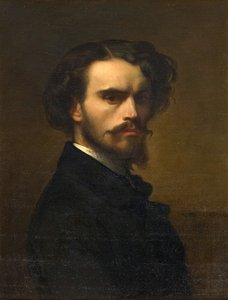
Within these luminous halls, the collection unfolds as a rich tapestry of 19 and 20th-century mastery. Collectors and art enthusiasts will find themselves captivated by the emotive power of Gustave Courbet and the rhythmic, colorful vitality of Raoul Dufy . These works do not merely hang on walls; they breathe with the light and atmosphere of their era, mirroring the poetic explorations of Valéry’s own soul. The museum also serves as a vital repository for the dynamic energy of the 1980s Figuration Libre movement, showcasing the bold, rebellious spirit of artists such as Robert Combas and Richard Di Rosa.
The depth of the museum’s holdings is further enriched by an exquisite array of works on paper, where the delicate strokes of masters offer a more intimate encounter with genius. The collection invites a slow, meditative study of technique and form through various mediums:
- Intricate Drawings: Discover the delicate hand of masters like Degas, Cézanne, and Matisse.
- Structural Explorations: Experience the profound graphic depth found in the works of Braque and Gris.
- Literary Treasures: Engage with a significant fund of Paul Valéry’s work, including nearly 300 pieces that feature 80 precious manuscripts, such as his iconic poem, Le Cimetière marin .
For the interior designer or the wandering aesthete, the Musée Paul Valéry offers a masterclass in how art interacts with space, light, and history. It remains a rare, holistic destination—a place where one can savor the flavors of Sète in the museum café before retreating into a world where poetry and pigment are eternally entwined.