


Origins and History of Musée Salies
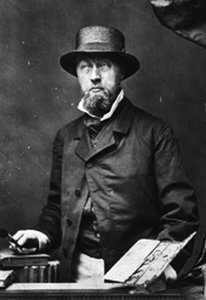
The foundations of Musée Salies were laid in 1852. The institution emerged from the specific will of Achille Jubinal, who served as a deputy for the Hautes-Pyrénées between 1852 and 1870. His personal collection provided the initial substance for the museum, forming the core of what would become a permanent repository for the region. This early assembly of works established a presence in Bagnères-de-Bigorre that has endured for generations.
The development of the institution continued through the nineteenth century, bolstered by significant state contributions. These additions were made possible through the connections between Jubinal and the imperial administration, specifically through the influence of Princess Mathilde and the comte de Nieuwerkerke. Such links allowed for the integration of paintings from the Parisian Salons into the local collection. On 17 September 2003, the institution was officially granted the status of Musée de France.
The Building and its Art Deco Architecture
The architecture of the Musée Salies reflects the aesthetic shifts of the early twentieth century. Completed in 1931, the structure is a clear expression of the Art Deco style. Its facade draws direct inspiration from the design language established during the 1925 Paris International Exhibition of Decorative Arts. This connection to the Parisian movement provides the building with a sense of geometric order and modern elegance that defines its presence in Bagnères-de-Bigorre.
Designed by the architect Léon Jaussely, the edifice was built to house the growing collections of the region. The building's significance is recognized through its official status as a historical monument, a designation it has held since 2014. The precision of its lines and the intentionality of its form make the physical space as much a subject of interest as the objects held within its walls.
The interior spaces allow for a quiet encounter with the works on display, providing a structured environment for the observation of various artistic movements. The architecture provides a permanent, stable setting for:
- Paintings from the first half of the nineteenth century
- A collection of watercolors
- Archaeological finds
- Ethnological objects from the Pyrenees
Major Acquisitions and Important Donations
The foundation of the collection rests upon the early efforts of Achille Jubinal, whose personal holdings formed the initial core of the museum. This base was significantly expanded through state shipments, facilitated by the close relationship between Jubinal and Princess Mathilde, the cousin of Napoléon III. These acquisitions brought a high level of artistic quality to the institution from the very beginning.
The influence of the Countess de Nieuwerkerke further shaped the museum's character, allowing for the inclusion of various paintings sourced from the Parisian Salons. These works provide a direct link to the major artistic movements of the nineteenth century. Later, in 1938, the collection received a substantial gift from the watercolorist Blanche Odin. Known by the nickname "Fée des roses et des fleurs," her contribution added a specific, delicate dimension to the holdings.
- The painting La Malibran (1852) by Hermann Moritz Cossmann
- The work La Caravane (1849) by Théodore Frère
- The piece La lecture (1900) by Frédéric Borgella
Diverse Collections and Artistic Themes
The museum presents a collection representing all major artistic movements of the first half of the 19th century. These works offer a window into the shifting aesthetics of that era, ranging from the structured compositions of classical traditions to the more fluid expressions of emerging styles. The presence of these paintings allows for a quiet observation of how light and form were interpreted during this transformative period.
Beyond the fine arts, the institution holds diverse collections encompassing archaeology, ethnology, and history. There is a specific focus on historical Asia, providing a perspective that extends far beyond the local landscape. This breadth of subject matter is complemented by a collection of folk art objects that retrace the daily life of the Pyrenees. These items offer a tangible connection to the regional customs and domestic realities of the past.
Watercolors hold a significant place within the permanent holdings. The museum features 80 such works, spanning from the end of the 19th century to the middle of the 20th century. These pieces demonstrate the delicate interplay between pigment and water, a technique celebrated in the museum's seasonal tributes. Notable examples include:
- The pine tree, about 1900
- The Big Sister, about 1900
- The Cascades of Tivoli, about 1900
- The danceuse, about 1900
Visiting and Museum Facilities
Located at 7 Bd Rolland Castells in Bagnères-de-Bigorre, France, the museum provides accessible spaces for all visitors through the presence of an elevator. The institution maintains a welcoming atmosphere where animals are permitted on a leash. This consideration ensures that the experience remains inclusive for those accompanied by pets.
The museum facilitates engagement through various themed animations. These programs include specialized workshops designed for both adults and children, allowing for a more tactile connection to the artistic themes found within the halls. Such activities offer a way to interact with the creative spirit of the collections through hands-on practice.


