

The Weight of History in Guadalajara
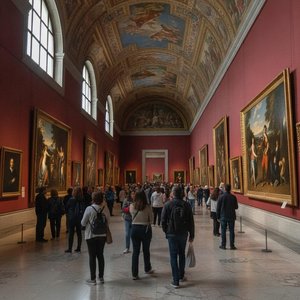
The Museo de Guadalajara occupies a space within the Palacio del Infantado, a structure that carries the gravity of centuries. It holds the distinction of being the oldest provincial museum in Spain. The collection is organized through an anthropological lens rather than a chronological one, creating a space where the evolution of a region is felt through its material remains. The arrangement of objects reflects a functional approach to history, grouping items by their role in human life rather than their date of creation.
The walls hold remnants of the Mendizábal Disentailment alongside artifacts recovered from archaeological excavations. These pieces offer a tangible connection to the layers of the past, from the solemnity of medieval frescoes to the intricate details of ancient ceramics. The presence of these objects creates a dialogue between the different eras that have shaped the province.
Artistic Presences and Material Traces
Within the halls, certain works command a quiet attention through their specific materiality and historical weight. The collection includes significant pieces that reflect the religious and social complexities of previous centuries. These works are not merely objects of study but are physical witnesses to the artistic traditions of the region.
- Saint John the Baptist and Evangelist, 1650 - Romulo Cincinato
- Immaculate Conception, 1650 - Juan Carreño de Miranda
- Vision of Saint Jerome - Romulo Cincinato
- Ecce Homo., 1899 - Guadalajara
- Saint John the Baptist preaching in the desert, 1659 - Antoni de Grebber
Beyond the canvases, the museum preserves fragments of a different nature. There are luxury ceramic fragments, such as the Ataifor de Guadalajara, which likely belonged to high-ranking officials. The collection also features funerary kits representing Celtiberian culture and Botarga Masks, which are fragments of a zoomorph displaying the Mendoza coat of arms. These items provide a glimpse into the domestic and ceremonial lives of those who once inhabited this land.
Sculpture and Local Identity
The sculptural presence in the museum is marked by the work of Luisa Roldán, known as La Roldana. As a chamber sculptor to Carlos II and Felipe IV, her work brings a specific technical precision to the collection. These sculptures exist alongside other artifacts that define the local identity, such as the hanging figure of a daughter found at the Recópolis site in Zorita de los Canes, dating back to the 6th century. The museum functions as a repository for these specific, localized truths, preserving the physical traces of the people and the landscapes of the province.