
A Sacred Convergence of Faith and Renaissance Splendor
Nestled within the serene landscapes of the Marche region in Italy, the Museo della Santa Casa offers an experience that transcends the boundaries of a traditional art gallery. It is a place where the veil between the earthly and the divine feels remarkably thin, a pilgrimage site where every brushstroke and architectural curve serves a higher spiritual purpose. To step into this museum is to enter the heart of the Basilica di Loreto , a sanctuary steeped in the legend of the Holy House—the dwelling believed by many to have been miraculously transported from Nazareth across continents before finding its final resting place here in 1294.
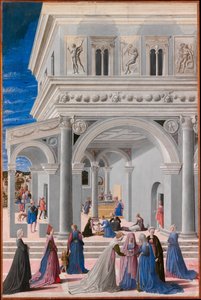
The collection itself is a breathtaking tapestry of Renaissance brilliance and intimate piety. At its heart lies the profound oeuvre of Lorenzo Lotto , one of Venice's most enigmatic and masterful painters. His works, particularly The Virgin Mary with Saint Anne , offer a window into a period where color and psychological depth were used to evoke deep emotional resonance; his ability to capture maternal tenderness alongside spiritual gravity remains unparalleled. This mastery of the canvas is complemented by the exquisite grandeur of tapestries designed by Raphael . Originally commissioned for the Vatican, these vibrant textiles bring the theological narratives of the Renaissance to life through intricate weaves and profound symbolism, showcasing the height of papal patronage.
Beyond the monumental, the museum offers a poignant glimpse into the human condition through a collection of ex-votos —small, personal offerings left by pilgrims as tokens of gratitude or pleas for divine intervention. These humble objects, alongside the delicate Majolica pottery from Loreto’s historic Spezieria, provide a grounding, intimate counterpoint to the soaring masterpieces.
Architectural Harmony and Eternal Legacy
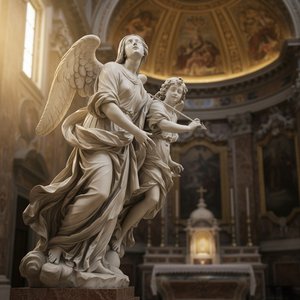
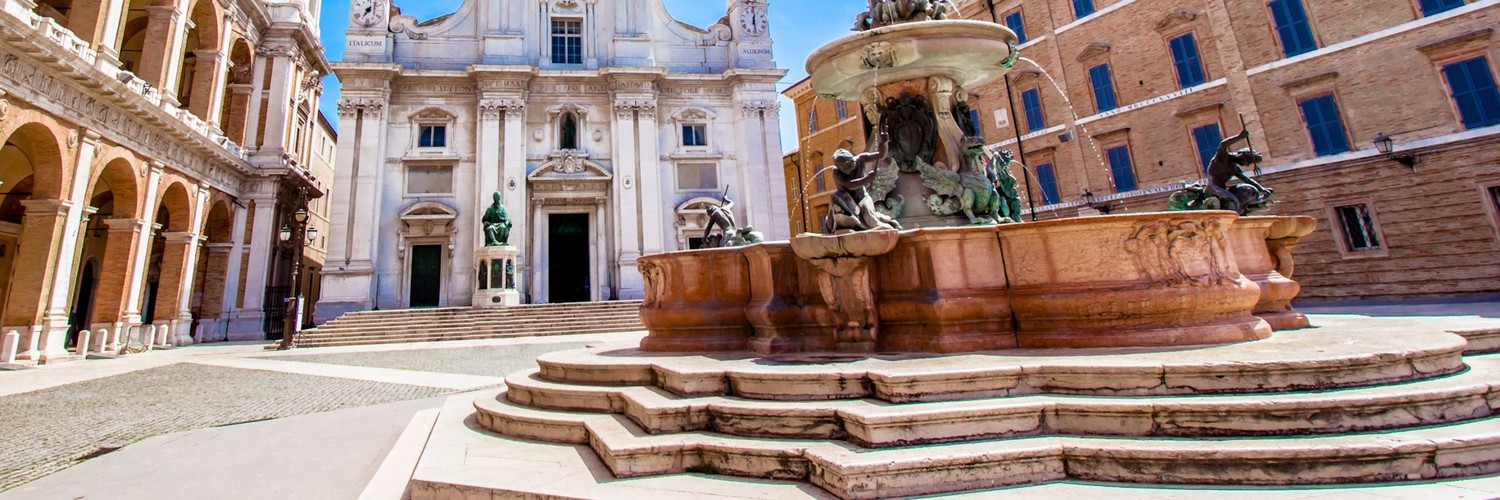
The architecture of the museum is an art form in its own right, acting as a majestic vessel for the treasures it protects. The Basilica di Loreto, which houses the museum, is a triumph of Renaissance engineering and aesthetic vision. Constructed in 1468 and expanded by legendary masters such as Giuliano da Maiano , Giuliano da Sangallo , and even Donato Bramante , the structure commands the skyline with its staggering 75.6-meter campanile. Inside, the atmosphere is one of overwhelming grandeur, characterized by monumental marble panels from the reign of Sixtus V that reflect a sophisticated Baroque aesthetic.
For the interior designer or the admirer of classical beauty, the interplay of light, shadow, and marble within these sacred walls provides an unparalleled study in architectural harmony and spiritual aspiration. The magnificent dome designed by Bramante dominates the skyline, a symbol of divine majesty that anchors the piazza, while the interior reveals a masterclass in proportion and light.
What truly distinguishes the Museo della Santa Casa is its living nature; it is not a static mausoleum of dead art, but a vibrant center of ongoing cultural and spiritual evolution. Recent exhibitions have masterfully explored the intersection of theology and creativity, inviting visitors to contemplate how artists have historically translated complex religious doctrines into visual language. As comprehensive restoration projects continue to safeguard the basilica’s architectural integrity and its invaluable artworks, the museum remains a testament to the enduring power of preservation. It stands as a beacon for those seeking to understand how art can serve as both a mirror to the soul and a bridge to the eternal.