
A Sanctuary of Devotion: The Soul of Bilbao’s Sacred Art
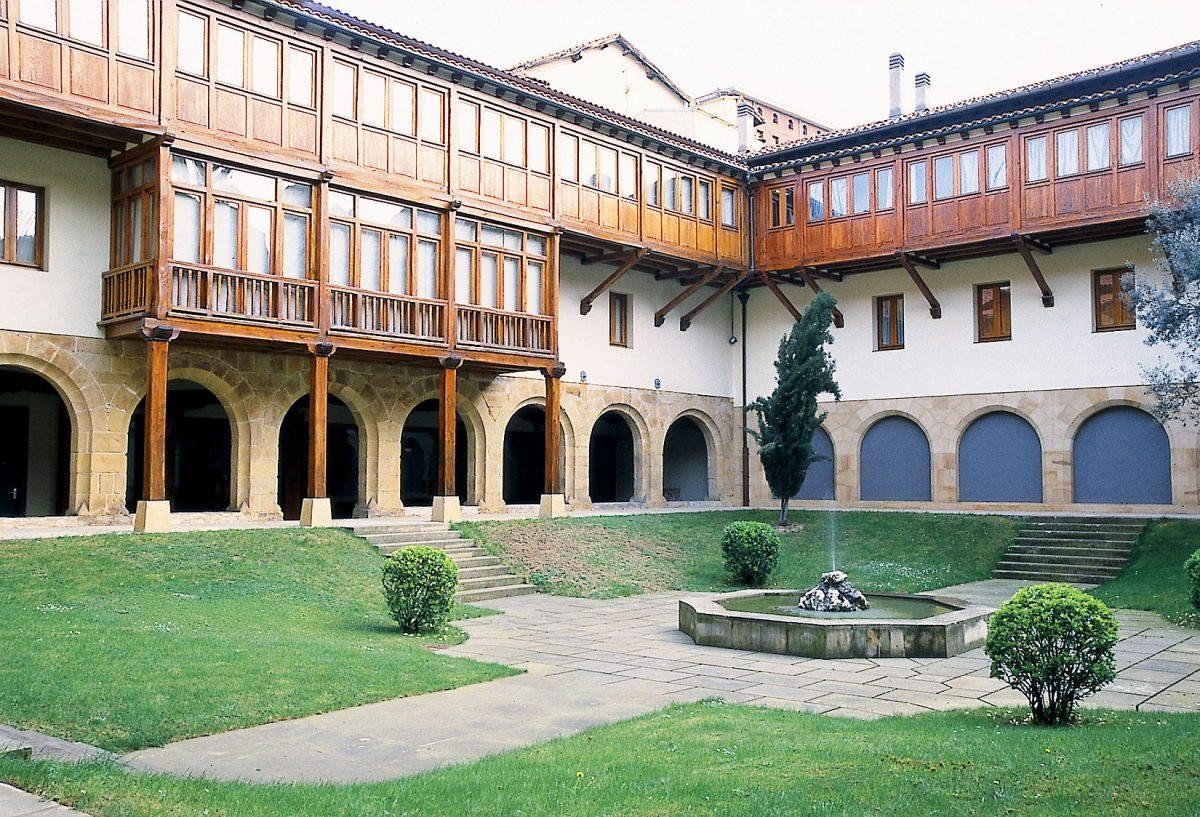
In the heart of Bilbao, tucked away within the hallowed walls of the old Convent of the Encarnación, lies a profound testament to the enduring power of faith and artistry. The Museo Diocesano de Arte Sacro is far more than a mere repository for religious relics; it is a living chronicle of the Basque spirit, capturing nine centuries of spiritual evolution through the lens of creative mastery. As one enters this sanctuary, the bustle of the modern city fades, replaced by an atmosphere of quiet reverence that invites both the casual observer and the seasoned collector to contemplate the intersection of the divine and the earthly. The museum’s mission, established in the 1990s, was born from a necessity to safeguard the precious religious legacy of the province, rescuing treasures from neglectful parishes and restoring them to their former glory.
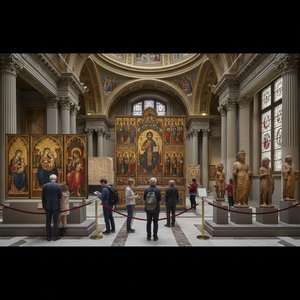
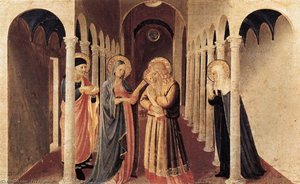
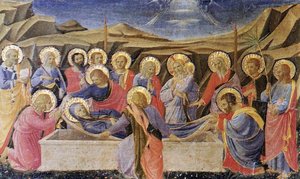
The collection itself is a breathtaking tapestry of human devotion, spanning from the 12th to the 20th centuries. Visitors are greeted by an exquisite assemblage where the weight of history is felt in every carved contour and gilded surface. The galleries unfold in a seamless narrative, leading the eye from monumental sculptures of biblical figures—angels, saints, and prophets that embody medieval piety—to the delicate, shimmering intricacies of liturgical metalwork. One cannot help but be moved by the museum's magnificent silver pieces, which catch the light with a celestial glow, or the ornate chalices and reliquaries that speak to the opulent traditions of the Catholic liturgy. For the interior designer or lover of fine craftsmanship, the collection offers an unparalleled study in texture and detail, from the heavy, tactile presence of Romanesque stone to the ethereal lightness of Renaissance vestments.
The architectural setting of the museum is as much a part of the experience as the art it houses. Located within a historical Dominican convent, the building itself serves as a majestic frame for the treasures within. The church features a striking Gothic interior that provides a somber, contemplative backdrop, while its facade presents a graceful Renaissance elegance. Moving through the museum feels like navigating a sacred timeline; the layout guides guests through distinct eras, including the transition from the austere beauty of the Middle Ages to the dramatic flourishes of the Baroque and the refined lines of Neoclassicism. This architectural continuity ensures that every painting, ceramic, and textile is viewed within its proper historical and spiritual context.
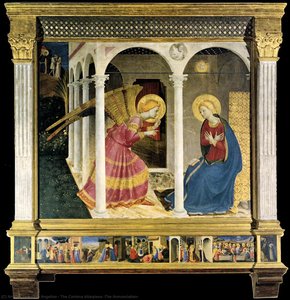
What truly distinguishes the Museo Diocesano de Arte Sacro from broader art institutions is its singular, unwavering focus on the sacred. By concentrating solely on religious iconography, the museum allows for a deep, immersive exploration of how symbolism has shifted across centuries. It is a place where one can trace the evolution of a single motif through different artistic movements, observing how the techniques of goldsmiths and painters were used to translate complex theological concepts into visual splendor. Through temporary exhibitions that bring in international perspectives alongside its permanent holdings, the museum remains a vibrant center for cultural research and discovery, offering an unforgettable encounter with the sublime beauty of sacred art.