The Presence of the Artist in Córdoba
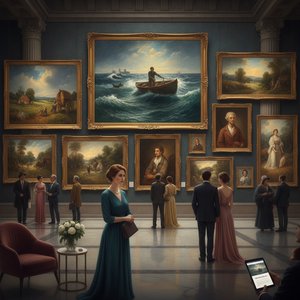
Located in the former Hospital de la Caridad, this space occupies the very house and studio where Julio Romero de Torres lived and worked. The building carries the weight of a personal history, having been donated by the artist's widow and children following his death in 1930. Within its walls, the atmosphere is defined by six scarlet rooms that house a collection dedicated to the specificities of Andalusian life. The air seems to hold the memory of the painter's daily existence, preserved through the donation of his personal belongings alongside his creative output.
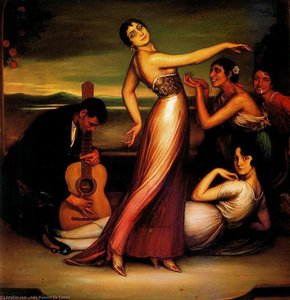
The collection focuses heavily on the intersection of flamenco culture and the idealized beauty of the Andalusian woman. There is a palpable sense of the artist's devotion to his surroundings, captured through a lens of symbolism and a modern approach to traditional subjects. The museum functions as a repository for a specific vision of Córdoba, one that transcends mere representation to touch upon the mystery of its people.
The Collected Vision
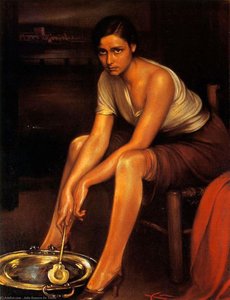
The works held here offer a profound look into the evolution of a style that moved from social realism toward a more symbolic, modern language. One finds a recurring preoccupation with the female form and the rhythmic essence of music. The following pieces represent the core of the permanent collection:
- Alegrías: A work deeply rooted in the world of flamenco.
- La chiquita piconera: A significant example of the artist's unique composition and use of color.
- Fuensanta: A piece reflecting the local identity of the region.
- The Girl with the Oil Lamp: A study in light and shadow from 1928.
- Margarita Nelken: A portrait from 1929.
A Legacy of Archives and Memory
Beyond the canvases, the institution preserves the intellectual life of the artist through an extensive archive. This includes a library, a photographic archive, and a collection of newspaper clippings that document a career of national and international recognition. These documents provide a view of the man behind the paintings, moving past common clichés to reveal the complexities of his biography. The presence of these records ensures that the museum remains a site of historical inquiry, where the artist's life is studied alongside his visual achievements.