Michael c. Carlos Museum of Emory University

Quick Facts

  • Works on APS: 1
  • Location: Atlanta, United States of America
  • Alternate names:
    • Michael c. Carlos Museum of Emory University
    • Michael C. Carlos Museum
    • Emory Universitys top arts destination.
    • Emory University Museum
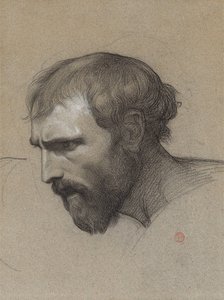
  • Featured artists: françois léon benouville

Art Quiz

There is only one correct answer for each question.

Question 1:
What is the primary focus of the Michael C. Carlos Museum's collection?
Question 2:
Which architectural style characterizes the museum building designed by Michael Graves?
Question 3:
The museum’s research activities include:
Question 4:
A notable aspect of the museum's history is the return of a mummy as Pharaoh Ramesses I to Egypt.
Question 5:
What is the Michael C. Carlos Museum known for regarding its educational outreach?

A Sanctuary of Antiquity Amidst the Modern Pulse

Nestled within the verdant, tranquil campus of Emory University, the Michael C. Carlos Museum serves as much more than a mere repository for artifacts; it is a profound sensory journey across the tapestry of human existence. To step through its doors is to leave the modern bustle of Atlanta behind and enter a sanctuary where the whispers of antiquity resonate through every hall. Since its humble beginnings in 1876, the museum has evolved from a modest university collection into one of the Southeast’s most significant cultural landmarks, offering a portal through which the shadows of the past meet the light of the present.

The Mosaic of Human Creativity

At the heart of this institution lies an astonishing assemblage of over 25,000 artworks that span the breadth of human history. The collection is a breathtaking mosaic of global heritage, where one might encounter the majestic remnants of ancient Egypt—including intricately decorated coffins and mummies that speak to profound spiritual beliefs—alongside the idealized marble grace of Greece and the commanding, meticulous portraits of Rome. There is a palpable sense of movement in pieces like the depiction of Terpsichore, the Greek muse of dance, which stands in silent dialogue with the monumental presence of the portrait of Emperor Tiberious. This journey extends far beyond the Mediterranean, delving into the sophisticated symbolism of pre-Columbian art from across the Americas and the rich traditions of Africa and the Near East, creating a continuous narrative of human ingenuity that transcends borders and eras.

Architectural Elegance and the Play of Light

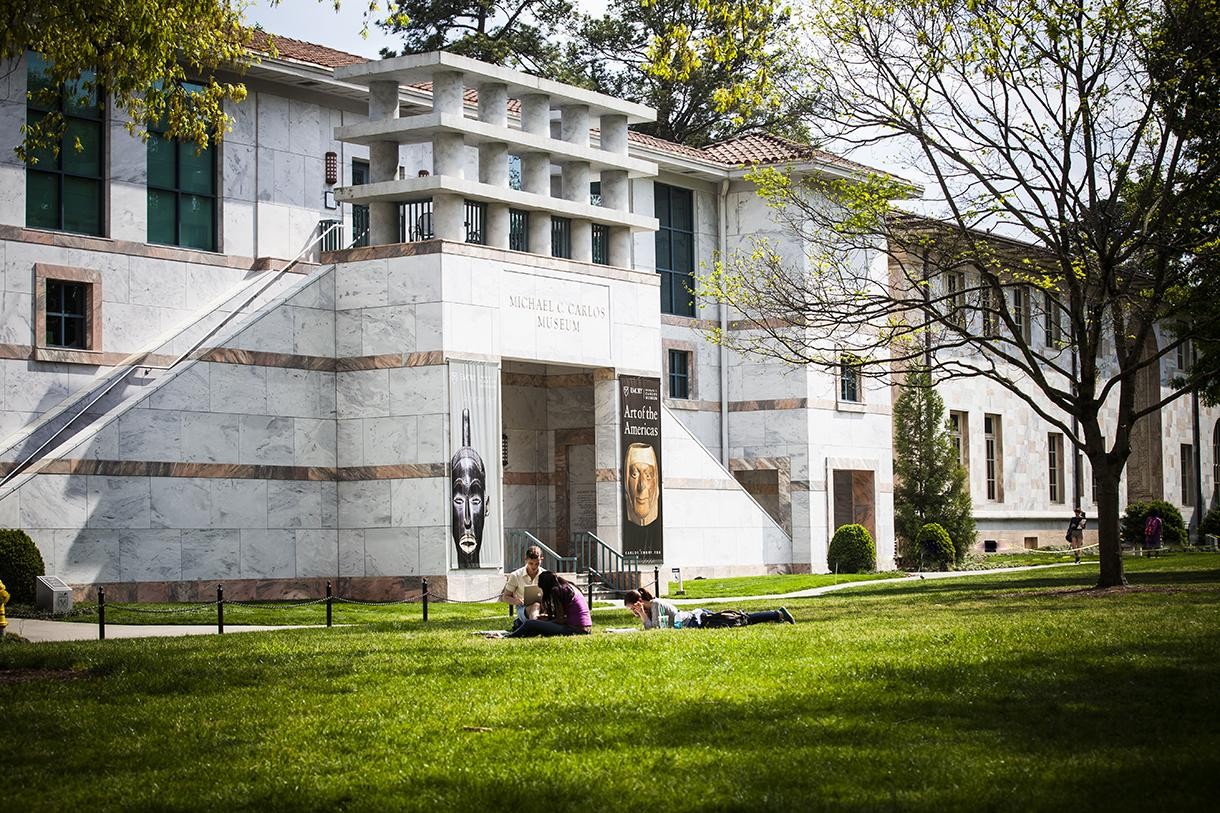
For the lover of fine spaces and the discerning interior designer, the museum’s very structure offers a masterclass in intentional design. Crafted by the renowned architect Michael Graves, the building is a striking achievement of Postmodernism, harmonizing classical elegance with modern innovation. The architecture utilizes monumental columns reminiscent of Roman temples, yet these heavy, historical echoes are balanced by expansive glass walls that flood the interior with natural light. This deliberate interplay between shadow and illumination creates an inviting space for contemplation, ensuring that the environment serves as a luminous stage for the treasures within. The transition from the bright sunlight of the Georgia afternoon to the soft, controlled glow of the galleries allows for a transformative experience, where the architecture itself guides the visitor through a curated atmosphere of discovery.

A Legacy of Stewardship and Discovery

Beyond its physical beauty, the Carlos Museum is defined by its commitment to research, conservation, and the ethical stewardship of history. The museum’s narrative is marked by moments of profound international significance, such as the identification and subsequent repatriation of the mummy of Pharaoh Ramesses I—a powerful emblem of cultural respect and global cooperation. Today, the institution continues to engage with the complexities of the modern world, navigating the delicate balance of provenance and the ongoing investigation into the ethical standards of collecting. Through its scholarly endeavors and educational programs like Art Odyssey, the museum remains a living, breathing entity, nurturing a lifelong appreciation for our shared human experience and ensuring that the treasures of the past continue to illuminate the path toward the future.
© 2026 mus3ums.com