
Origins and History of the Museum
The roots of the Museo Nacional de San Carlos reach back to the late 18th century during the Enlightenment era. Its foundation is tied to the establishment of the Real Academia de las Tres Nobles Artes de San Carlos in 1781. Founded under the auspices of King Charles III of Spain, the academy was created to promote European artistic training in the Americas. By 1786, the academy had already amassed a collection of 124 works.
The institution evolved through the decades, growing from these early teaching models into a significant repository. The collection expanded through various donations from religious institutions and private collectors. In 1968, the Instituto Nacional de Bellas Artes y Literatura founded the Museo Nacional de San Carlos as a national art museum devoted to European art. This continuity connects the modern institution to its academic origins in New Spain.
The Building and its Neoclassical Architecture
The museum is housed within the Palacio del Conde de Buenavista, located at Puente de Alvarado No. 50 in the Colonia Tabacalera of Mexico City. Constructed between 1798 and 1805, the palace reflects the architectural sensibilities of the late 18th century. Its design follows the principles of Neoclassicism, characterized by a symmetrical façade and a sense of restrained ornamentation. The structure was designed by the architect Manuel Tolsá, whose influence is evident in the building's balanced proportions and orderly presence.
Before becoming a repository for art, the palace underwent several transformations. It functioned as a noble residence and later served as the headquarters for the Tabacalera Mexicana. The building also operated as a school. This history of varied utility is etched into the very stone of the site. The architecture provides a quiet, structured environment that frames the collections within its walls.
The Diverse Art Collection
The collection brings together a wide array of European art, spanning various mediums and traditions. Paintings, sculptures, engravings, and books form the core of the holdings, reflecting a deep connection to Italian, Flemish, and Spanish traditions. Among the many pieces are Italian Renaissance bronzes and delicate European porcelain. These objects exist within the space as physical presences, offering a tangible link to the artistic developments of previous centuries.
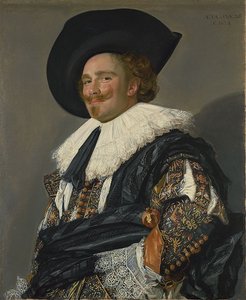
The breadth of the collection is evident in the presence of works by Lucas Cranach the Elder, Parmigianino, and Frans Hals. One finds the influence of Anthony van Dyck alongside the precision of Jean-Auguste-Dominique Ingres. The collection also includes pieces by Auguste Rodin and Jean-Baptiste Pigalle. A 17th century Flemish textile titled Battle provides a specific glimpse into the decorative arts of that era.
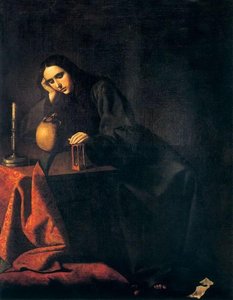
- Magdalena Penitente, about 1650 - Francisco de Zurbarán
- La Cena de Emaús, about 1650 - Francisco de Zurbarán
- Portrait of a man in fur coat, 1650 - Peter Paul Rubens
- Adam and Eve, 1530 - Lucas Cranach the Elder
- Portrait of a man, 1634 - Frans Hals
- Odalisque, 1837 - Henri Decaisne
Notable Sculptures in the Collection
The presence of sculpture within these walls offers a tangible connection to European tradition. Auguste Rodin is represented by the Bacchante and The call to arms, works that command attention through their physical weight and form. These pieces exist in conversation with the works of James Pradier, adding to the breadth of the sculptural holdings. The collection finds further depth in the figures of Manuel Vilar, specifically in the depictions of Diana and Charles Borromeo. Each figure occupies its space with a quiet permanence.
Other works contribute to the specific character of the museum's holdings. A sculpture by Miguel E. Schulz is held within the collection, alongside the various pieces that define the museum's focus on European art. These objects are not merely objects of study but are presences that require a moment of stillness to fully observe. The arrangement of these works allows for a direct encounter with the material and the intent of the creators.