Museo Nazionale

Quick Facts

  • Location: Palermo, Italy
  • Alternate names:
    • Museo Nazionale
    • Museo Nazionale di Villa Guinigi
    • Antonino Salinas Regional Archaeological Museum
    • Museo Archeologico Regionale Antonino Salinas
  • Works on APS: 2
  • Featured artists:
    • Jaume Serra
    • antonello gaggini
  • Movements: renaissance

Art Quiz

There is only one correct answer for each question.

Question 1:
What is the Museo Nazionale primarily focused on exploring?
Question 2:
The Museo Nazionale houses a remarkable collection of artifacts related to which civilization?
Question 3:
Which iconic sculpture from Selinunte is considered one of the museum’s most celebrated treasures?
Question 4:
What distinguishes the Museo Nazionale from other museums specializing in Mediterranean art?
Question 5:
The Museo Nazionale is situated within a historic complex that reflects Palermo's architectural evolution. What can visitors expect to see there?

A Tapestry of Time: The Soul of Sicily

The Museo Nazionale in Palermo is far more than a mere collection of relics; it is a living, breathing chronicle of an island that has served as the beating heart of the Mediterranean for millennia. To wander through its halls is to embark on a profound journey through the layers of Sicilian identity, where the legacies of the Phoenicians, Greeks, Romans, Arabs, Normans, and Spaniards are intricately woven together. This museum does not simply display the past; it invites the observer into a continuous dialogue with history, offering a rare glimpse into how successive waves of conquest and cultural exchange have sculpted the very essence of Sicilian life. It is a place where every artifact whispers tales of ancient maritime prowess and the enduring spirit of a people shaped by the crossroads of civilizations.

Treasures Forged in Bronze and Stone

At the heart of this archaeological sanctuary lies an assemblage of treasures that command both reverence and wonder. One cannot encounter the Ram Bronze without feeling the weight of antiquity; this monumental sculpture, crafted by Punic artisans around the 3rd century BC, stands as a breathtaking testament to Phoenician maritime mastery and religious devotion. Its intricate details serve as a poignant reminder of a time when the seas were the lifelines of civilization. Complementing this bronze marvel are the colossal sculptures from Selinunte, whose imposing presence evokes the grandeur of ancient Greek colonization and the unyielding artistic ambition of a bygone era. For the collector or lover of classical form, these pieces represent the pinnacle of ancient craftsmanship, capturing a moment where stone and metal were imbued with divine purpose and historical significance.

Architectural Elegance and the Art of Space

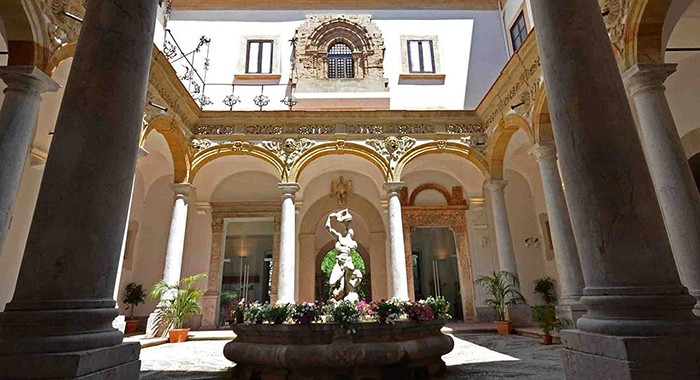
The museum’s physical setting, the historic Villa Guinigi, provides an architectural backdrop that is as much a masterpiece as the artifacts it houses. Built during the Norman era, the structure reflects the sophisticated aesthetic of Palermo’s golden age, showcasing a harmonious marriage of Byzantine influences and Romanesque elements. For those with an eye for design and spatial harmony, the museum offers unparalleled inspiration. The serene courtyards provide a quiet respite from the vibrant energy of Palermo’s streets, offering sun-drenched spaces where one can contemplate the interplay of light and shadow against ancient stone. This architectural grandeur creates an atmosphere of contemplative luxury, making the museum not just a site for study, but a sanctuary for aesthetic appreciation and a masterclass in historical interiority.

A Living Legacy of Craftsmanship

Beyond its permanent archaeological holdings, the Museo Nazionale continues to breathe new life into the Sicilian narrative through rotating exhibitions that celebrate the island's enduring artisanal spirit. From the delicate beauty of Byzantine mosaics to the vibrant traditions of Sicilian ceramics—an annual celebration of local craftsmanship—the museum ensures that the artistic pulse of the region remains strong. These displays illuminate the lesser-known facets of Sicilian history, reminding us that the island’s true beauty lies in its ability to absorb, adapt, and transform the influences of the world around it. To visit is to witness a culture that refuses to be forgotten, standing proudly at the crossroads of the Mediterranean, offering a timeless connection to the very soul of Sicily.
© 2026 mus3ums.com