


Origins and History of the Museum
The site of the Museu da Chácara do Céu has been known since 1876 as Chácara do Céu. Situated in the Santa Teresa neighborhood of Rio de Janeiro, Brazil, the location occupies the highest point of the district. This elevated position gives the name its meaning, referencing the heights of the terrain. The property was once the private residence of the businessman, collector, and patron Raymundo Ottoni de Castro Maya (1894–1968).
The transition from a private estate to a public institution began through the legacy of its former owner. Before the foundation bearing his name was abolished in 1983, the property was left to that specific foundation. The museum itself was created in 1972. This period of transition helped preserve the continuity of the site as a place for art and history.
In 1974, the buildings and the surrounding parks were declared historical heritage by IPHAN. This designation ensures the protection of the site's physical presence within the urban landscape of Rio de Janeiro. The history of the location remains tied to the original purpose of the estate and the personal collection of its former resident.
The Building and its Architecture
Perched at the highest point of the Santa Teresa neighborhood in Rio de Janeiro, Brazil, the site occupies a position that commands a panoramic view of the entire city. The current structure, designed by architect Wladimir Alves de Souza, features modernist lines that integrate with the topography. This building replaced an original structure that was demolished in 1954. The architecture seeks a balance between the built environment and the surrounding landscape, which was shaped by the landscaping of Roberto Burle Marx.
The museum is situated adjacent to Parque das Ruínas. The placement of the building allows for a constant connection between the interior spaces and the expansive views of Guanabara Bay and the city center. The site's elevation and its relationship to the greenery create a specific atmosphere of seclusion despite its proximity to the urban center. The gardens and the architectural lines work together to frame the landscape of Rio de Janeiro.
The Art Collection and Its Departments
The collection comprises 22,000 pieces, spanning a wide range of media including paintings, engravings, and drawings. These works are held within a space that maintains the residential character of the former estate. Two specific rooms, the library and the dining room, remain organically furnished and decorated, allowing the art to exist within its original domestic context. These spaces hold art books, Brazilian and European literature, and maps dating from the 17th and 18th centuries.
The holdings include works by several significant artists, such as Matisse, Modigliani, Degas, Seurat, Miró, Di Cavalcanti, and Portinari. Each piece is positioned as a presence to be observed within the quietude of the museum. Some of the works held in the collection include:
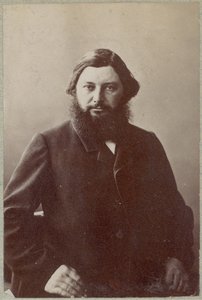
- The Cliff at Étretat, about 1869 - Gustave Courbet
- Carrinho de criança, 1916 - Eliseu Visconti
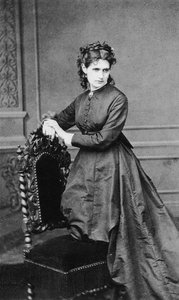
- Woman with a Child in a Boat, 1892 - Berthe Morisot
The presence of these works, alongside the historical maps and literature, creates a layered environment where the art is inseparable from the history of the collection itself. The arrangement of the objects reflects the personal taste of the original patron, Raymundo Ottoni de Castro Maya.
Exhibitions and Research
The museum hosts various exhibitions and temporary exhibitions that bring its extensive collection to light. These presentations allow for a closer encounter with the diverse pieces held within its walls, ranging from paintings to engravings and drawings. The institution functions as a space where the presence of art is felt through these rotating displays, offering different perspectives on the works held in its care.
As part of the Castro Maya Museums, alongside the Museu do Açude, the institution maintains its place within a broader network of cultural preservation. It is incorporated by the Brazilian Federal Government and operates under the auspices of IBRAM (Instituto Brasileiro de Museus), within the Ministry of Tourism. This institutional framework supports the ongoing presence of the collection and its role in the cultural landscape of Rio de Janeiro, Brazil.


