

A Sanctuary of Form: The Living Legacy of Antonio Canova
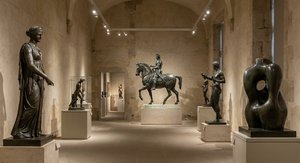
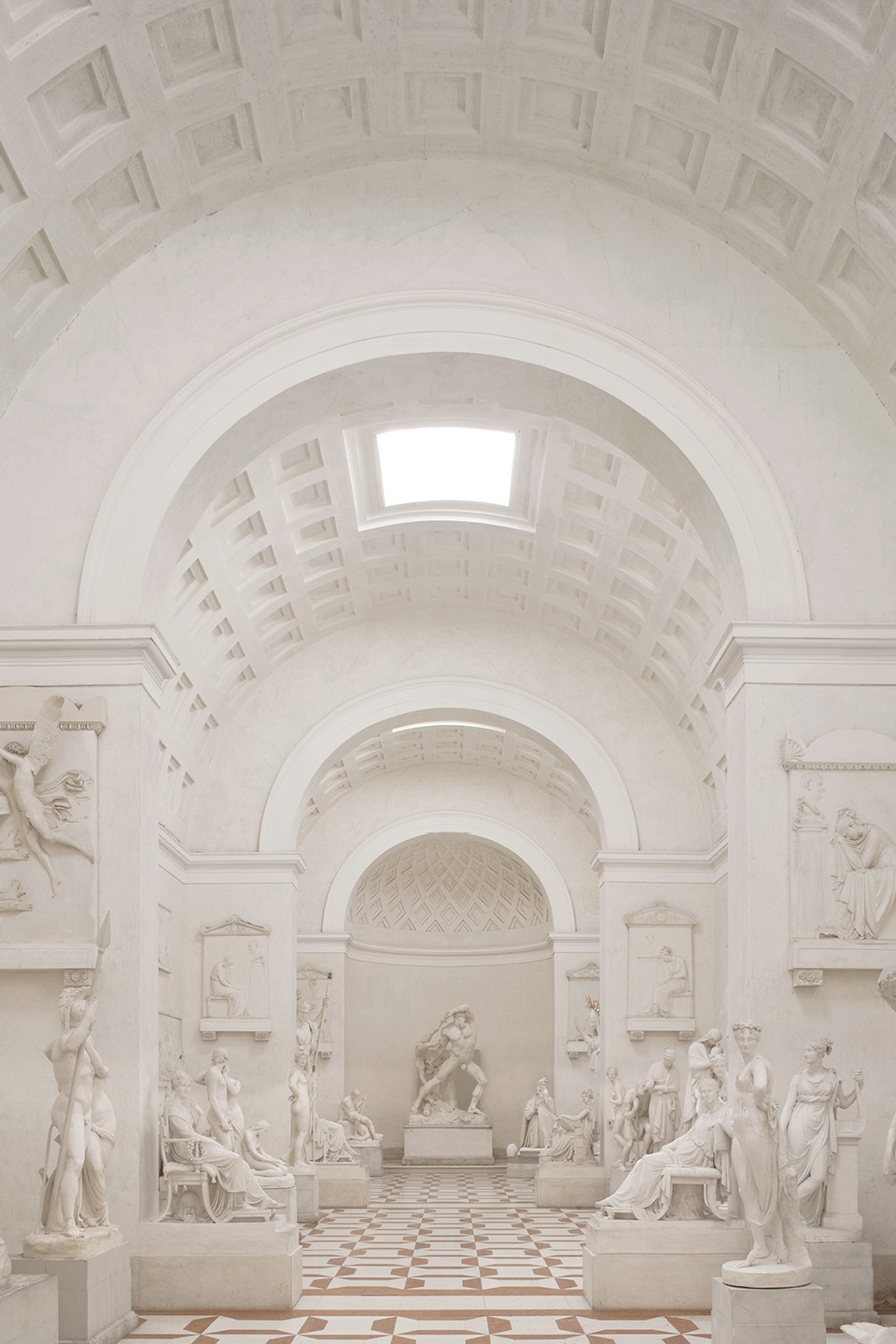
Nestled within the serene, rolling landscapes of Possagno, Italy, the Museo Gipsoteca Antonio Canova offers far more than a mere exhibition of static objects; it provides a profound, intimate encounter with the very soul of Neoclassical genius. This is not a museum of finished marble, but a sanctuary of process, where the breath of creation still seems to linger in the air. Here, the birthplace and studio of Antonio Canova serve as a sacred repository for his plaster casts—the gipsi —which represent the vital, intermediate stages of his monumental masterpieces. To walk through these halls is to witness the sculptor’s mind at work, tracing the evolution from raw clay models to the refined, ethereal forms that would eventually define European aesthetics during the Enlightenment.
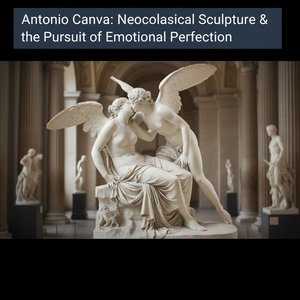
The collection itself is a breathtaking panorama of grace and technical virtuosity, inviting visitors to wander among works that embody the pinnacle of Neoclassical ideals. In this space, the heavy weight of stone is transmuted into the lightness of skin and the fluidity of drapery. Iconic compositions such as Cupid and Psyche and The Graces emerge from the white plaster with a startling vitality, revealing Canova’s unparalleled ability to capture idealized beauty and complex narrative tension. Each cast serves as a crucial stepping stone, offering scholars and art enthusiasts an unprecedented glimpse behind the curtain of artistic innovation, showcasing the meticulous sketches and preparatory models that paved the way for his legendary marble triumphs.
Architectural Poetry and the Scarpa Intervention
The experience of the Gipsoteca is profoundly deepened by its architectural dialogue, a masterful marriage of historical heritage and modern vision. While the museum occupies the original site of Canova’s studio, it was the legendary architect Carlo Scarpa who, in the 1960s, reimagined this space into an architectural masterpiece of preservation. Scarpa’s intervention is nothing short of poetic; he utilized light and structure to create a rhythmic, basilica-shaped environment that directs the eye and elevates the contemplative mood. The way light floods the galleries, dancing across the pale surfaces of the sculptures, creates a dynamic interplay between shadow and form, ensuring that the architecture does not merely house the art but actively participates in its storytelling.
For the collector, the interior designer, or the wandering aesthete, the museum offers a rare opportunity to connect with the fundamental essence of creation. The institution serves as a living archive of artistic devotion, maintaining its global significance through prestigious collaborations and international research. Notable exhibitions, such as the celebrated showcases of Canova's George Washington alongside institutions like The Frick Collection, underscore the museum's role in connecting local heritage to the broader world of art history. It remains an essential pilgrimage for anyone captivated by the enduring power of classical beauty and the transformative journey from a mere concept to an eternal icon.