


Origins and History of the Museum in Nysa
The Museum in Nysa occupies the historic Palace of the Bishops of Wrocław. This setting provides a sense of continuity for the institution, which was established in 1897. As the oldest cultural institution in the Opole region, it has maintained a presence in this location for over 120 years of heritage preservation.
The architecture of the palace itself carries the weight of the history held within its walls. The building serves as a permanent home for the collections, anchoring the museum's presence in the Nysa region. The preservation of these spaces allows for a direct connection to the past through the physical environment of the museum.
Art and Decorative Collections
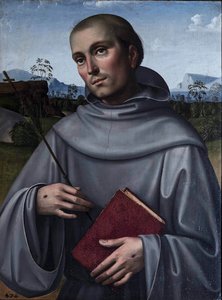
The European painting gallery spans the 15th to the 19th centuries, offering a presence of works from Dutch, Flemish, German, and Italian traditions. These paintings exist alongside a diverse array of objects, including sculpture, graphic art, and manuscripts. Rare prints and militaria are also held within the collection, providing a tangible connection to past eras. The presence of these items creates a quiet dialogue between different artistic movements and historical periods.
Decorative arts are represented through an impressive collection of bourgeois and court furniture. Porcelain from Meißen and Sèvres is also part of the holdings. Among the most significant objects is one of only two Hedwig Glass (Szklanica św. Jadwigi) preserved in Poland. This piece remains a singular presence within the museum's assembly of fine crafts and historical artifacts.
Exhibitions and Research
The museum presents a diverse array of thematic displays that bridge the gap between the material and the historical. One such presentation, Precyzja i przepych. Sztuka zegara od baroku do empiru, focuses on the intricate mechanics and aesthetics of horology. Alongside these technical studies, the museum explores the darker chapters of regional history through the exhibition Witchcraft Trials on the Nysa-Jeseník Borderland. This specific inquiry seeks to define the visual and historical reality of these past legal and social proceedings.
Archaeological findings provide a foundation for understanding the deep roots of the Nysa region. A prehistoric exhibition traces human presence from the Paleolithic through to the early Middle Ages. These displays feature artifacts recovered from the local landscape, including significant finds from Otmuchów and Paczków. The continuity of life in this area is further evidenced by the presence of 18th-century Roman coins belonging to the Diocese of Wrocław. Such objects offer a tangible connection to the administrative and religious structures of the era.
The institution also maintains a commitment to contemporary and evolving perspectives through various scheduled programs. The Nyskie Szkice Muzealne 2026 represents a specific moment in the museum's ongoing engagement with local artistic documentation. These exhibitions allow the space to function as a site of constant re-examination, where the physical remnants of the past meet the evolving interests of the present.
Masterpieces of the Collection
The presence of the 16th-century religious tradition is felt through several significant works. Francesco Francia’s Virgin and Child with Saint John the Baptist, dating to about 1510, occupies a central place in the visual narrative. Nearby, Innocenzo di Pietro Francucci da Imola offers a different interpretation of the same subject in his Virgin and Child with Saint John the Baptist from about 1550. These works exist alongside Carlo Portelli’s The Holy Family, also from about 1550, creating a quiet dialogue between different hands and approaches to sacred themes.
The collection also moves into the seventeenth century, shifting from the spiritual to the domestic and the observational. Aelbert Cuyp’s Portrait of a family, from about 1650, provides a window into the social structures and likenesses of that era. The arrangement of these paintings allows for a direct encounter with the evolution of European portraiture and devotional art within the historic walls of the Palace of the Bishops of Wrocław.


