


The History of Museum Kunsthaus Heylshof
Located in Worms, Germany, Museum Kunsthaus Heylshof opened its doors to the public in 1926. The institution has functioned as a cultural anchor for the region for nearly a century. In 2026, the museum will mark its 100th anniversary, a milestone that follows its long-standing presence in the city's landscape. The building itself has a history of resilience, having been largely destroyed by an air raid in the spring of 1945. Following the war, the interior was lost, and the structure was eventually rebuilt in a simplified form before reopening to the public on May 19, 1961.
The museum's significance has been recognized by regional authorities. It was awarded "Museum of the Month" by the Ministry for Family, Women, Culture and Integration of Rhineland-Palatinate. This recognition highlights the institution's role in preserving art spanning five centuries, from the Middle Ages through the 19th and early 20th centuries. The site remains a central location for the study of historical collections and contemporary perspectives within the city of Worms.
The Origins of the Heylshof Collection
The foundation of this collection rests upon the acquisitions of Cornelius Wilhelm von Heyl and his wife, Sophie von Heyl. Following their marriage in 1867, the couple began to assemble a body of work that reflected their personal aesthetic interests. Their collecting process was not governed by a rigid or predetermined plan, but rather by a preference for works that resonated with them individually. This approach resulted in a diverse assembly of paintings, graphics, and decorative arts, including furniture, stained glass, and porcelain.
Cornelius Wilhelm von Heyl was a prominent figure in the local economy, often referred to as the "Leather King" and the "uncrowned King of Worms." His influence and the wealth generated by his enterprises allowed for the expansion of the family estate. This estate was extensive, comprising various townhouses and agricultural lands, as well as Schloss Herrnsheim and a summer residence located in Switzerland. The breadth of these holdings provided the stability necessary to build a significant private collection over several decades.
The collection spans five centuries, moving from the Middle Ages through the 19th and early 20th centuries. While the core of the holdings focuses on the 17th-century Dutch and Flemish Golden Age, the assembly also includes works from the Baroque and Romantic periods. The resulting selection offers a view into the specific collecting principles of the Heyl family, bridging the gap between historical traditions and the tastes of the late 19th century.
Masterpieces of the Dutch and Flemish Golden Age
The core of the collection is centered on the 17th-century Dutch and Flemish traditions. This focus is reflected in a selection of genre paintings, still lifes, and landscapes that define the Golden Age. The museum holds works by Jacob van Ruisdael, including a landscape titled Waterfall with ruins and a village in the distance from about 1675. Other significant holdings include works by Jan Davidsz De Heem, such as Still Life with Rummer, Grapes, and Lemon from about 1633, and Eglon van der Neer, represented by Portrait of a Woman feeding a Parrot, with a Servant from about 1675.
The Flemish influence is represented by the presence of Peter Paul Rubens and Anthonis van Dyck. These works sit alongside a variety of Dutch masters, including Gerard Terborch, Jan Miense Molenaer, and Willem Claeszoon Heda. The collection's breadth extends to the specific nuances of 17th-century composition, from the quietude of interiors to the structured detail of still life arrangements.
- A Young Lacemaker beside a Cradle, 1654 - Nicolaes Maes
- Ruins with Staffage, 1750 - Francesco Guardi
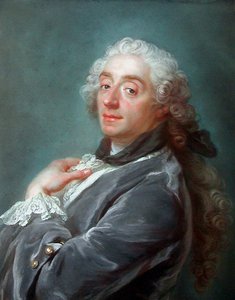
- Adoration of the Magi, 1756 - François Boucher
Exhibitions and Special Programs
The museum hosts focused exhibitions that examine specific movements and artists. A current special exhibition features the work of Leonhard Sandrock, focusing on his seascapes. This presentation is scheduled to run from November 16, 2024, to December 30, 2024, and will return for a second period from February 25, 2025, to March 30, 2025.
Significant milestones in the institution's history are marked by dedicated programming. The museum will celebrate its centenary in 2026 with a jubilee exhibition titled "Happy Birthday Heylshof," which opens on July 4, 2026. To prepare for this event, the museum will be closed to the public from Tuesday, June 30, through Saturday, July 4, 2026.


