


The History of Museum of All Saints
The Museum of All Saints is situated within the former Benedictine monastery complex in the historic old city of Schaffhausen, Switzerland. The origins of this site date back to 1049, when the monastery was founded. In 1524, the institution was converted into a community of canons, a status it maintained until the community was dissolved in 1529.
The transition from a religious site to a cultural institution occurred much later. Between 1921 and 1938, the complex was rebuilt to function as a museum. This architectural transformation allowed the site to house diverse collections within its historic walls. The museum's continued operation is supported by the financial contributions of the canton of Schaffhausen, various foundations, associations, and sponsorships.
The Architecture of the Former Monastery
The museum is housed within the former Benedictine monastery complex in the historic old city of Schaffhausen, Switzerland. This architectural ensemble includes the church Müns, which remains a central component of the site. The buildings were rebuilt between 1921 and 1938 to accommodate the museum's various collections.
A significant feature of the site is the cloister, which is the largest freely accessible cloister in Switzerland. The structural history of the complex is further evidenced by the Romanesque architectural sculpture recovered from the former upper chapel. These ornately decorated semi-circular arched lunettes provide a direct link to the medieval origins of the monastery.
Art and Masterpieces of the Collection
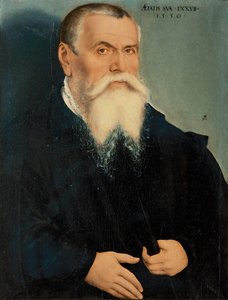
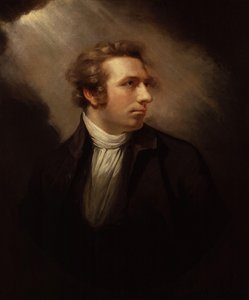
The collection spans a chronological breadth from the 15th century to contemporary art. It includes works by Ferdinand Hodler, Lucas Cranach the Elder, Henry Fuseli, and Bernhard Strigel, alongside pieces by Vallotton, Otto Dix, and Adolf Dietrich. These holdings reflect the evolving aesthetic shifts within European art history.
Lucas Cranach the Elder is represented by two significant works: a portrait of a bearded man from about 1527 and the work titled Charity, dated about 1534. The museum also holds the Epitaph of the Familie Funk von Memmingen, which dates to about 1513 and was executed by Bernhard Strigel. These pieces provide insight into the visual language of the early 16th century.
The later collections feature the works of Ferdinand Hodler, including Valentine Gode Darel, with disheveled hair, from about 1913, and At the Jonction, from about 1880. Other notable items include Henry Fuseli's Untitled (AQR9VM) from about 1790.
- Portrait of a bearded man, about 1527
- Charity, about 1534
- Epitaph of the Familie Funk von Memmingen, about 1513
- Valentine Gode Darel, with disheveled hair, about 1913
- At the Jonction, about 1880
- Untitled (AQR9VM), about 1790
Archaeology and Natural History Collections
The museum's archaeological holdings include the Ebnöther collection of antiquities. These items are presented alongside specific finds from the Paleolithic period. The collection features artifacts recovered from the Kesslerloch cave and the Schweizersbild rock shelter, providing evidence of human habitation in the region. These objects offer a direct link to the prehistoric history of the area.
The natural history department maintains a collection of approximately 150,000 objects. These specimens cover the fields of geology, zoology, and botany. Within this department, the Museum Stemmler is housed in an authentic setting. This section preserves the specific collection of the naturalist Carl Stemmler. The museum's botanical and entomological records, including various herbaria and butterfly collections, document regional species changes over the last 150 years.


