
The Museum of Fine Arts Ghent (MSK)
The Museum of Fine Arts Ghent (MSK) is an art museum located in Gent, Belgium. Established in 1900, the institution maintains a collection of approximately 9000 artworks. These pieces span a chronological range from the Middle Ages to the 20th century.
The museum is a member of The Flemish Art Collection. This membership is part of a strategic partnership involving other leading museums in Flanders. Through this collaboration, the institution maintains its position within the regional artistic landscape.
The Architecture and the Building
The museum is housed in a neoclassical building situated on the east side of Citadelpark in Ghent, Belgium. Designed by the city architect Charles van Rysselberghe around 1900, the structure provides a formal setting for the collections it contains. The architecture reflects the institutional permanence expected of such a site at the turn of the twentieth century.
The building functions as a multifunctional complex. Beyond the primary galleries, the facility includes an auditorium, a library, and a children’s workshop. These spaces allow the institution to host various activities alongside its permanent displays. A café-restaurant is also located within the complex, providing a space for visitors to rest within the museum grounds.
A Diverse and Extensive Collection
The collection focuses primarily on Flemish Art from the Southern Netherlands. This regional emphasis is complemented by a significant selection of European paintings, with a particular emphasis on French works. Beyond the canvas, the museum holds a large amount of sculptures, including important examples of 19th and 20th-century sculpture. These pieces are held alongside an impressive collection of works on paper.
The holdings extend into more specialized categories of material culture. A library of precious publications is maintained alongside a variety of unusual items. These include medals, sketches, and various studio materials that provide insight into the creative process. The breadth of these objects allows for a study of artistic production across several centuries.
- St. Jerome Praying, about 1500 - Hieronymus Bosch
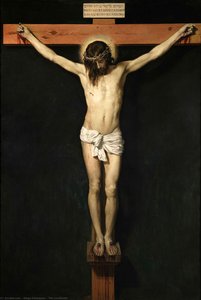
- The crucifixion - Diego Velázquez
- Old Woman with Masks - James Ensor
- The Little Brook, 1865 - Gustave Courbet
- The Annunciation, 1610 - Peter Paul Rubens
Masterpieces of the Collection
The collection is anchored by significant works of the Northern Renaissance and the Flemish Golden Age. Hieronymus Bosch is represented by several pieces, including St. Jerome Praying, dated about 1500, and Christ Carrying the Cross, dated about 1510. The museum holds important examples of the Flemish tradition, including the works of Jan van Eyck and the dramatic compositions of Peter Paul Rubens and Jacob Jordaens. These paintings reflect the technical precision and muscular energy characteristic of the seventeenth century.
The museum also maintains a strong presence in later movements, from the Baroque to the twentieth century. The works of James Ensor and Emile Claus are central to the collection's representation of Belgian art. In the realm of surrealism, the museum holds works by René Magritte and Paul Delvaux. These pieces provide a dialogue between the meticulous realism of the early masters and the psychological landscapes of the modern era.
- St. Jerome Praying, about 1500 - Hieronymus Bosch
- The crucifixion - Diego Velázquez
- Old Woman with Masks - James Ensor
- The Little Brook, 1865 - Gustave Courbet
- The Annunciation, 1610 - Peter Paul Rubens
Exhibitions and Research
The museum maintains an active presence in Belgian cultural life through a program of temporary exhibitions. Between March 2011 and January 2021, the institution conducted 41 such exhibitions, expanding the reach of the permanent collection. These temporary displays allow for new thematic approaches and the presentation of works that are not part of the regular rotation.
Research and conservation form the foundation of the institution's academic activities. The museum participates in joint initiatives that promote public engagement and the preservation of its holdings. By exchanging expertise with other members of the Flemish Art Collection, the museum contributes to the international awareness of its collections. This collaborative framework supports the study of the works held in Ghent and ensures their continued protection.
Recent Projects and Restorations
The institution has undergone significant physical and conceptual transformations in recent years. Following a four-year restoration period, the museum reopened its doors to the public in 2007. More recently, the museum underwent a metamorphosis during September and October, a period during which most of the collection was rearranged to alter how the works are viewed by the public.
Current efforts involve a deep dive into the existing collection to offer fresh perspectives on 600 years of art. This systematic re-examination allows for new thematic connections across the various galleries. As part of this ongoing engagement, the museum is hosting a ground-breaking exhibition that restores and displays over 150 works created exclusively by female artists. This specific exhibition is scheduled to remain on view until May 31 2026.