
A Sanctuary of Lines: The Essence of the Kupferstichkabinett
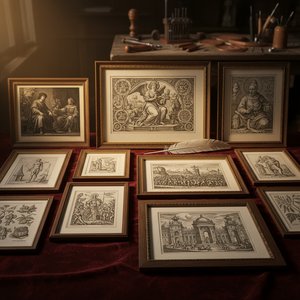
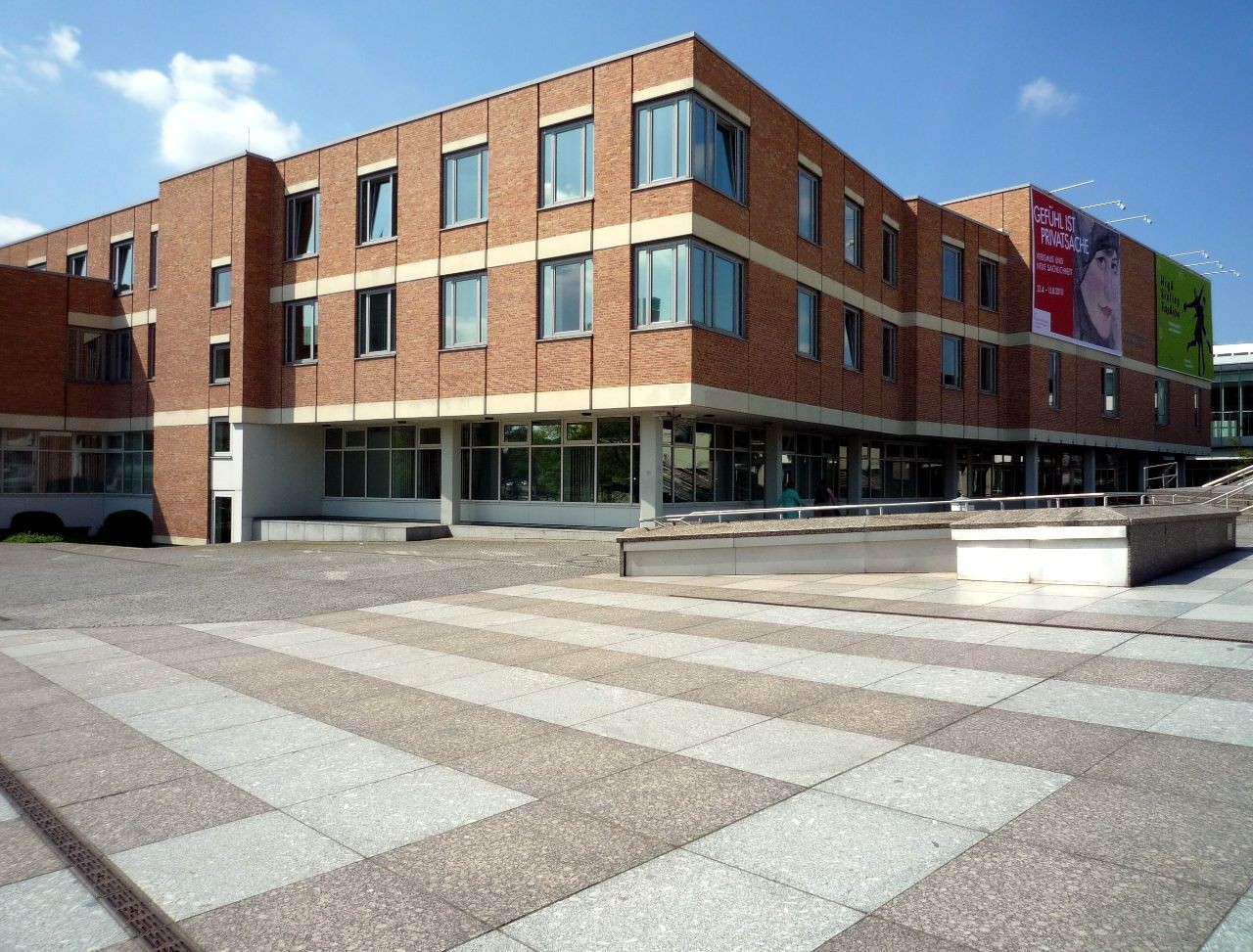
Nestled within the Altes Museum complex, a cornerstone of Berlin’s Museum Island UNESCO World Heritage Site, lies an institution that whispers invitations to intimacy—the Kupferstichkabinett , or Museum of Prints and Drawings . Unlike its grander neighbors, it does not clamor for attention with monumental canvases; rather, it offers a profound encounter with artistic expression distilled to its most essential form: the delicate lines etched into paper. Within this serene space resides centuries of European creativity, serving as a testament to the power of graphic arts as both preparatory sketches and finished masterpieces. To step inside is to leave the bustling streets of Berlin behind and enter a realm where the breath of the artist is still palpable in every stroke.
The story of this magnificent collection began with Elector Friedrich Wilhelm of Brandenburg, whose personal passion for collecting drawings and watercolors laid the foundation for what would become one of the world’s foremost institutions dedicated to graphic art. Initially a private cabinet within the royal library, the collection steadily grew over centuries through strategic acquisitions and generous bequests. It eventually evolved beyond its origins, embracing prints alongside drawings and establishing itself as a vital center for scholarly research and artistic appreciation. This transformation reflects a broader shift in art history—a movement toward recognizing the intrinsic merit of works on paper as independent expressions of an artist's vision, rather than merely tools for conveying narrative or representing reality.
A Journey Through Masterful Technique and Vision
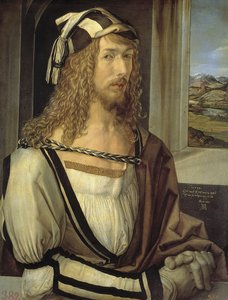
To wander through the museum’s vast holdings is to embark on a breathtaking journey across time and artistic movements. The collection boasts an unparalleled representation of Albrecht Dürer's engravings and woodcuts, where each line radiates meticulous detail and profound symbolism. One might find themselves lost in the contemplative depths of Melancholia I , where Dürer’s masterful use of hatching creates a palpable sense of psychological weight. Nearby, the hauntingly beautiful prints of Rembrandt van Rijn reveal a mastery of light and shadow, capturing human emotion with breathtaking sensitivity; his etchings often portray figures bathed in an ethereal luminescence that transcends mere visual representation.
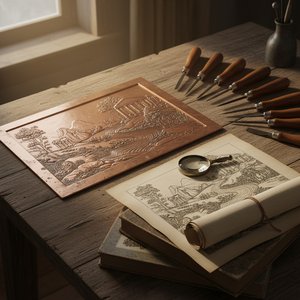
The museum also serves as a gateway to the Italian Renaissance, showcasing the elegance of artists like Botticelli , whose subtle shading imbues mythological figures with an otherworldly grace. The collection’s dialogue does not end with the Old Masters; it vibrantly embraces the anxieties and innovations of the 19th and 20th centuries. The evocative prints of Edvard Munch capture the visceral experience of existential dread, while the silkscreen works of Andy Warhol transform everyday commercial imagery into iconic cultural statements. This diversity of technique—from the precision of engraving and lithography to the softness of watercolor and pastel—makes the Kupferstichkabinett a living laboratory for artistic inquiry.
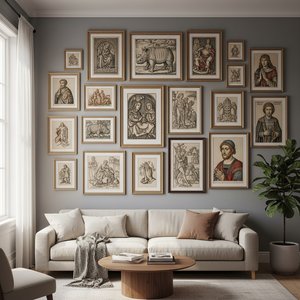
For the art lover or interior designer, the museum offers more than just historical knowledge; it provides a unique window into the very DNA of visual culture. The intimate scale of each work invites a deep, personal connection that larger-scale works rarely permit, making it an essential destination for those who seek to understand the fundamental building blocks of Western art.