


History and Origins of the Museum of Romanticism
The Museum of Romanticism, located in Madrid, Spain, began its life as a house museum. It was inaugurated on 1 June 1924. At that time, the institution was known as Museo Romántico. The space was established to preserve the specific atmosphere and cultural traces of a particular era in Spanish history.
The transition of the building into a state-held institution occurred in 1927, when the Spanish State purchased the property. This acquisition ensured the continuity of the collection within its original setting. In November 2009, the Council of Ministers officially changed the name of the institution, designating it as the Museo Nacional del Romanticismo.
The Architecture of the Historic Palace
The structure occupies a late 18th-century palace in Madrid, Spain, originally constructed for the Marquis of Matallana. Architect Manuel Rodríguez designed the building, which follows classicist lines. Subtle Baroque reminiscences appear in the details, such as the ear-shaped moldings found on the balconies. This architectural language provides a sense of order to the residence.
The interior is organized around two square patios. These central spaces help define the layout of the two main stories and the attic floor. Beyond the stone and mortar, a romantic garden offers a space of quietude. The arrangement of the rooms and the presence of the garden reflect the lifestyle of the 19th-century bourgeoisie.
The Diverse Art and Decorative Collections
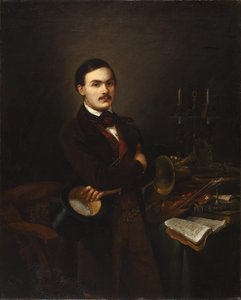
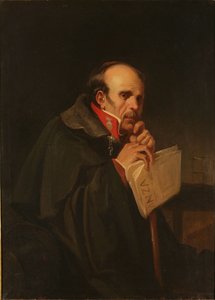
The collection comprises more than 18,000 artworks that reflect the essence of 19th-century Spanish Romanticism. These pieces include paintings, drawings, prints, and sculpture, providing a detailed view of the era's aesthetic preferences. The presence of these works allows for a quiet observation of the period's shifting artistic sensibilities.
Beyond the canvases, the museum houses an extensive array of decorative arts and furniture. Intricate ceramics adorned with floral motifs appear throughout the spaces, illustrating the specific tastes of the time. These objects, alongside the fine art, recreate the atmosphere of a 19th-century middle-class household. The arrangement of these items offers a sense of the domestic life once lived within these walls.
- Mountainous Couple, about 1850 - Manuel Cabral y Aguado Bejarano
- The Marquess of Remisa, 1844 - Vicente López Portaña
- Pasiega Wet Nurse, 1856 - Valeriano Bécquer
- The Card Game, 1858 - Manuel Barrón y Carrillo
- Bathers, 1837 - José Elbo Peñuelas
Notable Masterpieces and Artists
The presence of Francisco de Goya is felt throughout the collection. His works provide a psychological depth that defines the era. Alongside his influence, the paintings of Joaquín Sorolla offer a different perspective on light and form. These canvases exist in a dialogue with the soulful compositions of Valeriano Domínguez Bécquer. His brushwork captures a specific emotional intensity that lingers in the quiet rooms of the palace.
Leonardo Alenza contributes to the atmosphere through his distinctive style. His paintings possess a certain dramatic weight. The collection also holds works such as Mountainous Couple, about 1850, by Manuel Cabral y Aguado Bejarano. Other significant pieces include the portrait of Mariano Téllez Girón, XII Duque de Osuna, from 1833, by Valentín Carderera Y Solano. These works allow for a close study of the individualistic spirit of the 19th century.
The art here reflects the turbulent passions of the Romantic movement. From the depiction of social scenes to intimate portraits, the artists captured the human struggle. One finds the works of Manuel Barrón y Carrillo, such as Smugglers in the Ronda hills, about 1849, and The Royal Alcázars of Sevilla, about 1846. These pieces, along with the various drawings and prints, create a space where the artistic language of the period remains palpable.


