

Origins and History of the Museum
The Muskegon Museum of Art began its existence in 1912. It originated from a desire to preserve what was described as "pictures of the best kind." This early intention established a foundation for a collection that has grown steadily over the decades. The institution began its life as the Hackley Art Gallery before eventually becoming known as the Muskegon Museum of Art.
Leadership in the early years included Lulu F. Miller, who served as the director of the Hackley Art Gallery in 1916. Her appointment was significant, as she was the second woman in the United States to lead an art museum. Her tenure helped shape the early development and growth of the institution, ensuring its continued presence in the community.
The Building and Its Architecture
The museum has undergone a massive expansion to share more of its collections with the community. This growth involved a 28,000 GSF renovation alongside 26,000 GSF of new construction. Designed by Annum Architects and Mathison Architects, the addition provides a deliberate contrast to the original building's solid façade. The new architecture introduces a brighter palette characterized by the use of glass, light bronze metals, and a dark brick base. This material selection allows for a different relationship with light and shadow across the site.
The structural layout includes several distinct areas designed for both viewing and gathering. A lobby gallery acts as a link between the original structure and the new addition. Within the expansion, a multi-level spine provides orientation and connection to a new roof terrace. The facility also incorporates new galleries, education spaces, and visitor amenities to accommodate the growing collection. These spaces are organized to facilitate a sense of movement through the museum's various levels.
Major Collections and Artworks
The museum holds a significant presence in American modernism, housing the only Edward Hopper work in Michigan. This 1922 oil painting, titled New York Restaurant, offers a quiet moment of observation. The collection also contains many works originally acquired from the 1913 Armory Show, marking the arrival of modernist movements in the region. These pieces exist as physical witnesses to the shifts in early twentieth-century aesthetics.
Beyond canvas and oil, the institution maintains a collection of rare and historically significant jewelry. This assembly includes magnificent tiaras and gems from the Art Nouveau movement. The selection features the work of notable designers such as Louis Comfort Tiffany, Paul Revere, Jr., and René Lalique. These objects reflect the intricate craftsmanship of the late Renaissance through the Belle Époque and Art Deco periods.
- New York Restaurant, 1922 - Edward Hopper
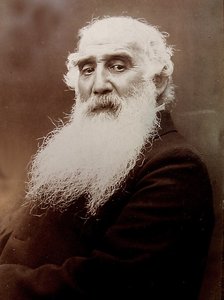
- Peasant Woman and Goat in front of a House, Pontoise, 1879 - Camille Pissarro
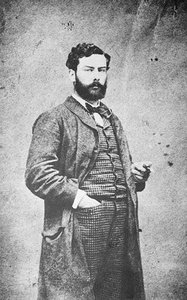
- La Seine à Saint Mammès, 1880 - Alfred Sisley
- The Holy Family, 1909 - Henry Ossawa Tanner
- Tornado Over Kansas, 1929 - John Steuart Curry
Exhibitions and Special Programs
The museum maintains a steady rhythm of seasonal programming and specialized exhibitions. Recent presentations included Chicago Collects: Jewelry in Perspective, which ran from October 17, 2024, to January 5, 2025. This exhibition brought together over two hundred pieces of rare jewelry, ranging from the late Renaissance to the present. Visitors encountered items such as a 19th-century jeweled monstrance, various tiaras, and gems associated with the Art Nouveau movement. The collection featured works by designers including Louis Comfort Tiffany, Paul Revere, Jr., René Lalique, and the Kalo Shop.
Engagement with the local community is central to the museum's schedule. Expressions, an annual exhibition, provides a space for K-12 students from Muskegon County to present their two and three-dimensional artworks. This program allows younger artists to exhibit their media within the museum's walls. Additionally, the museum supports The Bennett Prize, an initiative that focuses on the work of women figurative realist painters. These programs ensure the institution remains a place for both established artistic voices and emerging local talent.