
The History of the National Gallery of Canada
The origins of the National Gallery of Canada trace back to 1880. The institution began its life within the Second Supreme Court of Canada building in Ottawa, Ontario. This early period of development saw the collection grow through various relocations as the mandate of the institution became more clearly defined. In 1913, the passage of the National Gallery Act provided the formal legislative framework for its role as a custodian of art.
The physical presence of the collection shifted several times throughout the twentieth century. In 1911, the institution moved to the Victoria Memorial Museum building. By 1960, the gallery had relocated to the Lorne Building on Elgin Street. This period of transition eventually led to a significant shift in governance. Following the dissolution of the National Museums of Canada Corporation in 1987, the National Gallery of Canada reacquired its institutional independence.
The evolution of the institution reflects the changing landscape of the nation. From its modest beginnings in a judicial building to its current status, the gallery has maintained a continuous presence in the capital. The movement between various sites allowed the collection to expand from its initial holdings into the vast assembly of works seen today.
Architecture of the Modern Gallery Building
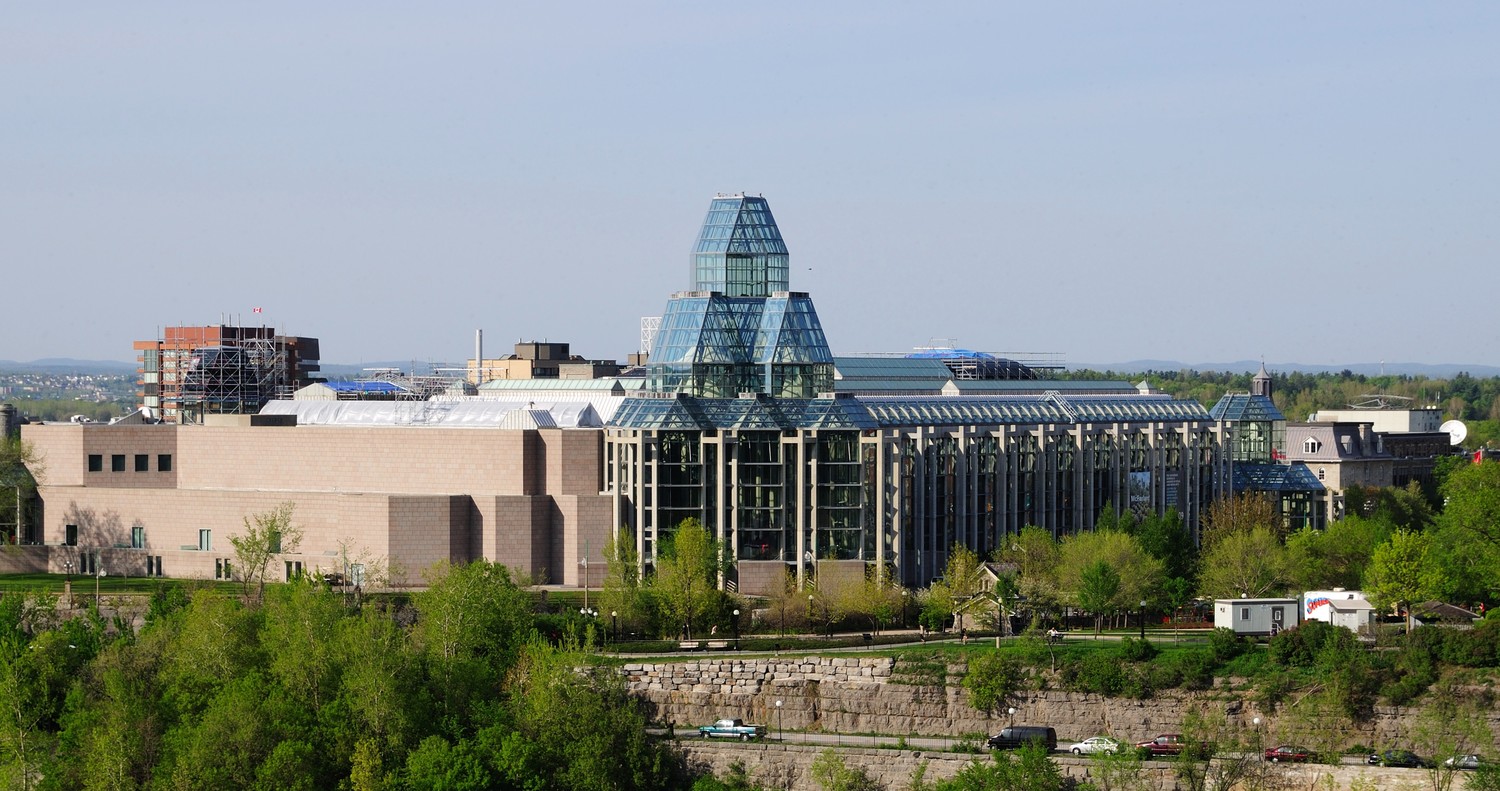
The current structure on Sussex Drive, situated adjacent to the ByWard Market district, is a composition of glass and granite. Designed by Moshe Safdie, the building emerged from a construction period that began in 1985. It opened to the public in 1988. The architecture seeks a harmony between these heavy, natural stone elements and the transparency of large glass surfaces, allowing the light to interact with the interior spaces.
Spanning 46,621 square metres, the facility provides a substantial presence within the Ottawa landscape. Within this footprint, 12,400 square metres are dedicated specifically to exhibition space. The interplay of light through the glass reaches into these halls, creating an environment where the atmosphere shifts according to the time of day and the weather outside. The scale of the building allows for a quiet, contemplative movement through its various levels.
A Diverse Collection of Artworks
The holdings within this institution encompass more than 93,625 works, creating a vast landscape of visual expression. The collection is composed of paintings, sculptures, photographs, and works on paper. These objects represent a wide breadth of history, bringing together Canadian masters alongside significant examples of European and American painting. As the largest lender of art in Canada, the institution facilitates a continuous movement of works across the country.
The breadth of the collection is felt in the variety of media and the origins of the pieces. Beyond the traditional canvas, the presence of intricate beadwork and contemporary installations reflects a deep commitment to the diverse cultural landscape of the nation. This includes works from various First Nations and Métis communities across Canada, ensuring that many different perspectives are held within these walls. The physical presence of these objects offers a way to encounter the history and the ongoing creative life of the land.
- The Hundred Guilder Print, about 1649
- Portrait of a Peasant, 1906
- Composition No. 12 with Blue, 1942
- The Third-class Carriage, 1865
Indigenous and Canadian Art Collections
The collection places a profound emphasis on Indigenous art and Canadian masters. Within these walls, ancient carvings exist as presences that carry stories of ancestral wisdom. These objects possess a weight that transcends their physical form. Alongside these carvings, intricate beadwork reflects the continuity of generations of tradition. Each bead is a deliberate mark of history.
The gallery also champions contemporary Canadian artists, providing a space for emerging voices and innovative perspectives. This commitment ensures the national landscape remains dynamic. The works of the Group of Seven are present here, offering depictions of the Canadian wilderness. These paintings use expressive brushstrokes to capture the spirit of a vast land. They are meditations on the soul of the country.
The presence of Emily Carr offers a specific sensitivity to texture and light, particularly in her depictions of British Columbia’s forests and Indigenous communities. The collection's breadth allows for a dialogue between these established traditions and the evolving perspectives of modern creators. It is a space where the history of the land meets its current expression.
Masterpieces of the Permanent Collection
The presence of the Group of Seven provides a profound connection to the Canadian wilderness, their landscapes defining a specific national aesthetic through expressive brushstrokes and bold color. Nearby, the works of Emily Carr offer a different perspective, capturing the essence of British Columbia’s forests and the lives of Indigenous communities through a sensitive application of light and texture. These works exist alongside a deep commitment to Indigenous art, where ancient carvings and intricate beadwork offer a quiet dialogue with ancestral traditions.
International dialogues are felt in the presence of European masters. Rembrandt van Rijn’s The Hundred Guilder Print (1649) commands attention, while Gustav Klimt’s Study for (about 1903) reveals the meticulous layers of his process. The collection also holds the structured geometry of Piet Mondrian’s Composition No. 12 with Blue (1942) and the heavy, grounded presence of Paul Cézanne’s Portrait of a Peasant (about 1906). Each piece invites a stillness that allows the viewer to observe the specificities of form and pigment.
- The Hundred Guilder Print, 1649 - Rembrandt van Rijn
- Study for, about 1903 - Gustav Klimt
- Composition No. 12 with Blue, 1942 - Piet Mondrian
- Portrait of a Peasant, about 1906 - Paul Cézanne
Exhibitions and Cultural Programming
The gallery maintains a rhythm of change through regular temporary exhibitions that explore diverse themes. These rotating displays allow the institution to engage with contemporary social issues and historical movements, often bringing works from international collections into dialogue with the permanent holdings. Such collaborations expand the scope of the building, moving beyond the fixed collection to address the evolving nature of artistic expression.
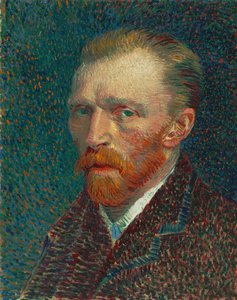
Past partnerships have brought significant focus to specific movements and techniques. In 2012, a collaboration with the Philadelphia Museum of Art presented the exhibition Van Gogh: Up Close, which examined the painter's intense response to the natural world. More recently, the gallery worked with the MacKenzie Art Gallery on the Radical Stitch exhibition. This particular project highlighted Indigenous artists through the medium of beadwork, demonstrating how traditional materials continue to function as vital tools for contemporary expression.
Beyond the exhibition halls, the institution functions as a space for active engagement. The programming includes a variety of lectures, workshops, and events designed to foster a deeper understanding of the works on view. These gatherings transform the gallery from a place of quiet observation into a site of ongoing intellectual and creative exchange.