Origins and History of the Museum
The origins of the National Museum Frei Manuel do Cenáculo are tied to the personal collections of Frei Manuel do Cenáculo, who served as the Archbishop of Évora between 1802 and 1814. His gathered acquisitions provided the foundation for what would eventually become a formal institution. The establishment of the Évora Museum was officially authorized on 30 July 1914. Following this authorization, the institution was established the next year under the name of Évora Regional Museum.
The museum underwent significant administrative changes over the following century. In 2017, the institution was promoted to the status of National Museum. This designation reflects the historical importance of the collections held within the site, which include items from extinct churches and convents in the region. The museum continues to preserve these historical holdings within the historic centre of Évora, Portugal.
The Building and its Architecture
The museum occupies a privileged position within the historic centre of Évora, Portugal. It is housed in the former Palácio Arquiepiscopal, a structure that reflects the architectural transitions of the late 16th century and the beginning of the 17th century. The site is situated in a central location within this World Heritage city.
The architectural complex includes the adjoined Church of Nossa Senhora das Mercês. This religious building has been part of the museum's immediate surroundings since 1917. The integration of the palace and the church provides a continuous historical presence in the urban fabric of Évora.
Diverse Collections and Departments
The museum houses more than 20,000 pieces organized into several specialized departments. The painting collection is a primary focus, spanning from the 15th to the 20th century. Alongside these works, the institution maintains significant holdings in sculpture, decorative arts, and numismatics. These departments reflect the diverse interests of the collectors who contributed to the museum's formation.
The scientific and natural history departments include collections of Earth Sciences and Life Sciences. These are complemented by a naturalia collection and a selection of scientific objects related to science and technique. The museum also preserves specific nuclei of archaeology and goldsmithing. These collections provide a broad view of the material history of the region.
The museum's holdings include several specific items of note:
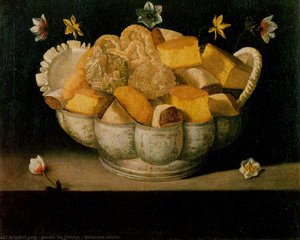
- Natureza morta, 1660 - Josefa De Óbidos
- Supper of the Holy Family, 1674 - Josefa De Óbidos
- Cordeiro Pascal, 1670 - Josefa De Óbidos
- Visitation, 1525 - Gregório Lopes
- São Cosme, São Tomé e São Damião, 1505 - Francisco Henriques
- The Prophet Daniel and the Chaste Susana, 1505 - Francisco Henriques
Masterpieces of the Collection
The museum holds significant examples of religious art from the 16th century, including the Triptych of the Passion of Christ, which Nardon Pénicaud executed in enamel. Alongside this, the collection features the imposing Flemish Altarpiece, dating to about 1500. These works represent the high technical standards of the period, particularly in the use of specialized materials and the influence of Northern European traditions.
The painting collection is defined by the presence of important Portuguese-Flemish painters, such as Francisco Henriques and Frei Carlos. Notable among these is the Valverde Convent triptych, painted by Gregório Lopes in 1544. The museum also preserves a 13-panel polyptych that originated from the former high altar of the Cathedral of Évora.
- Natureza morta, 1660 - Josefa De Óbidos
- Supper of the Holy Family, 1674 - Josefa De Óbidos
- Cordeiro Pascal, 1670 - Josefa De Óbidos
- Visitation, 1525 - Gregório Lopes
- São Cosme, São Tomé e São Damião, 1505 - Francisco Henriques
Archaeology and Historical Finds
The archaeological holdings of the museum are largely defined by the collections gathered by Archbishop Frei Manuel do Cenáculo. These findings originate from extensive excavations conducted throughout the Évora area. Among the most significant items are those related to the Great Dolmen of Zambujeiro. This specific assemblage is part of the Leonor Pina collection, which contains the Anta Grande do Zambujeiro.
Other significant archaeological data is held within the Hospital collection. This group includes various findings recovered from several locations across the municipality of Évora. These sites include Herdade das Casas, Castelo da Lousa, and Castelo do Geraldo. These objects provide a physical record of the region's long-standing human presence and historical development.