


The Architecture of the National Museum in Wrocław
The National Museum in Wrocław occupies a former Silesian regency building situated on the banks of the Odra river. Constructed between 1883 and 1886, the structure reflects the architectural language of the late 19th century. Its Neo-Renaissance design provides a formal setting for the collections housed within its three floors. The building serves as a central point for the city's cultural landscape, standing near the Panorama of the Battle of Racławice.
The interior is characterized by a sense of institutional permanence. High ceilings and creaking floorboards define the experience of moving through the galleries. The museum functions as a repository for objects relocated from various territories, including significant contributions from Lviv following the shifts in national borders after the Second World War.
The Permanent Collections
The holdings of the museum span several centuries, focusing on the development of Polish and European art. The collections are organized to reflect the evolution of regional and continental aesthetics, from medieval religious works to contemporary expressions. The following highlights represent specific areas of the museum's holdings:
- Medieval Silesian sculpture and polychrome woodwork.
- Polish painting from the 16th century through the contemporary era.
- European art from the 15th to the 20th centuries, including works by Cranach and Bruegel.
- Silesian stone sculpture and art from the 16th to the 19th century.
The third floor is dedicated to a diverse selection of contemporary art, offering a departure from the religious themes found in the earlier sections. This part of the museum presents a variety of modern styles that contrast with the historical weight of the lower galleries.
Artistic Highlights
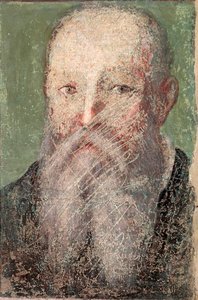
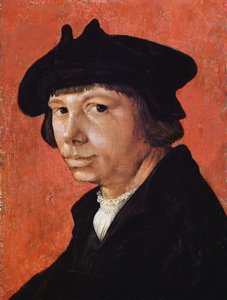
The museum contains specific works that illustrate the breadth of its collection. These pieces range from the early modern period to the early 20th century. Notable examples include:
The presence of these works allows for a direct study of technique and historical context. The collection remains a primary source for understanding the visual history of the region and the broader European tradition.


