

A Tapestry of Nordic Soul: The Grandeur of Nordiska museet
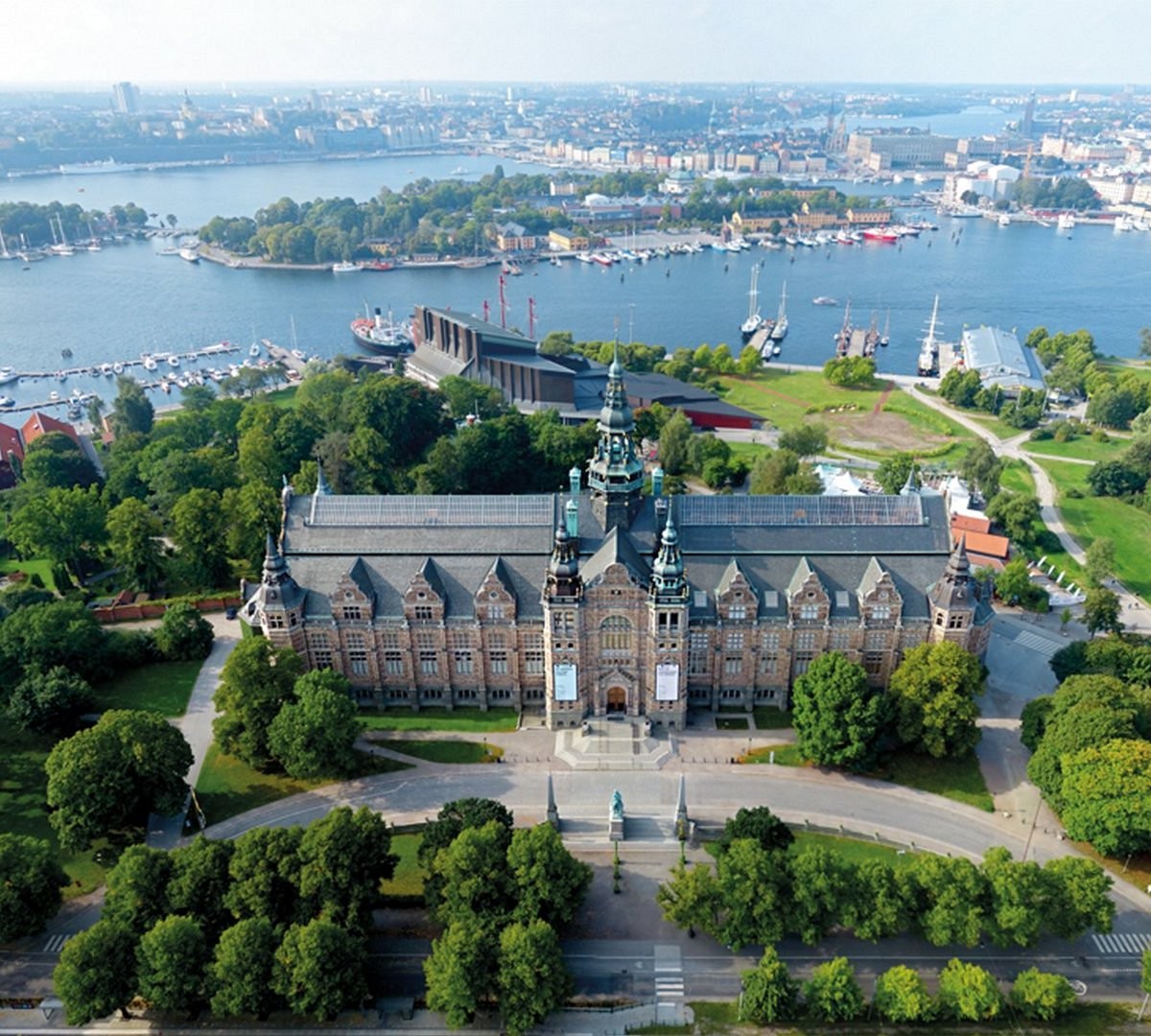
Nestled on the verdant expanse of Djurgården island in Stockholm, Nordiska museet stands as much more than a mere repository of artifacts; it is a profound, immersive journey through the very heartbeat of Swedish cultural history. Born from a romantic yet rigorous desire to document the multifaceted lives of the Nordic people, this institution offers a sanctuary where the echoes of centuries past resonate within every hall. To step through its doors is to enter a space that provides a window into the evolution of a nation's identity, capturing the essence of a culture that has transitioned from medieval traditions to the modern era.
The museum’s architectural presence is nothing short of breathtaking, serving as a monumental prelude to the treasures held within. Designed by the esteemed Isak Gustaf Clason, the building itself is a masterpiece of Dutch Renaissance-inspired grandeur, reminiscent of the majestic Frederiksborg Palace. As one enters, the eye is immediately drawn upward by the colossal central hall, a space that stretches an astounding 126 meters in length. This soaring atrium is dominated by the monumental sculpture of King Gustav Vasa, a powerful symbol of Sweden’s historical sovereignty and its pivotal role in shaping the Nordic landscape. For the admirer of architecture and design, the building serves as a structural dialogue between strength and elegance, embodying an enduring architectural ambition that commands respect.
A Curated Narrative of Material Culture
Beyond its imposing facade, the collection at Nordiska museet offers a breathtaking panorama of material culture, spanning from the medieval era to the contemporary moment. The museum presents a curated narrative that transcends the elite, focusing instead on the lived experiences of farmers, artisans, and merchants. For interior designers and lovers of decorative arts, the museum provides unparalleled inspiration through its meticulously preserved domestic interiors. One can wander through rooms that showcase the shifting tides of taste—from the ornate, heavy textures of the Baroque period to the clean, and functional lines of iconic Scandinavian design. These spaces are not merely displays; they are time capsules of human habit and aesthetic evolution.
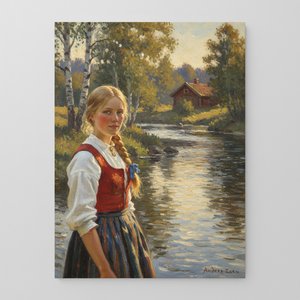
The museum’s treasures extend into the delicate realms of textiles and fashion, where vibrant regional costumes and intricate needlework tell stories of social status, identity, and craftsmanship. Each thread and weave reflects a specific era or community, showcasing the immense artistry of Swedish craftspeople throughout history. Furthermore, the institution's vast archives—comprising millions of photographs, rare books, and personal diaries—provide a deep, scholarly layer to the visual experience, allowing visitors to connect personally with the anecdotes and memories of those who came before. Whether exploring themes of migration, the legacy of natural resources, or the modern nuances of Nordic design, Nordiska museet remains a vital, living institution where history is not just studied, but felt.