



The Origins and History of Notre-Dame Cathedral
Notre-Dame Cathedral occupies a site in Paris, France, with a history rooted in the religious foundations of the Île de la Cité. Before the current structure was conceived, the location held earlier churches and a Gallo-Roman temple dedicated to Jupiter. Construction of the cathedral began in 1163 under the direction of Bishop Maurice de Sully. The building process continued for nearly two centuries, reaching completion in 1345.
Throughout its existence, the cathedral has been a witness to the political and social shifts of France. It has hosted coronations and survived revolutions that altered the nation's identity. In 1804, Napoleon Bonaparte used the space to crown himself Emperor of France. These events have embedded the cathedral into the historical fabric of the city.
The Architecture and Structural Features
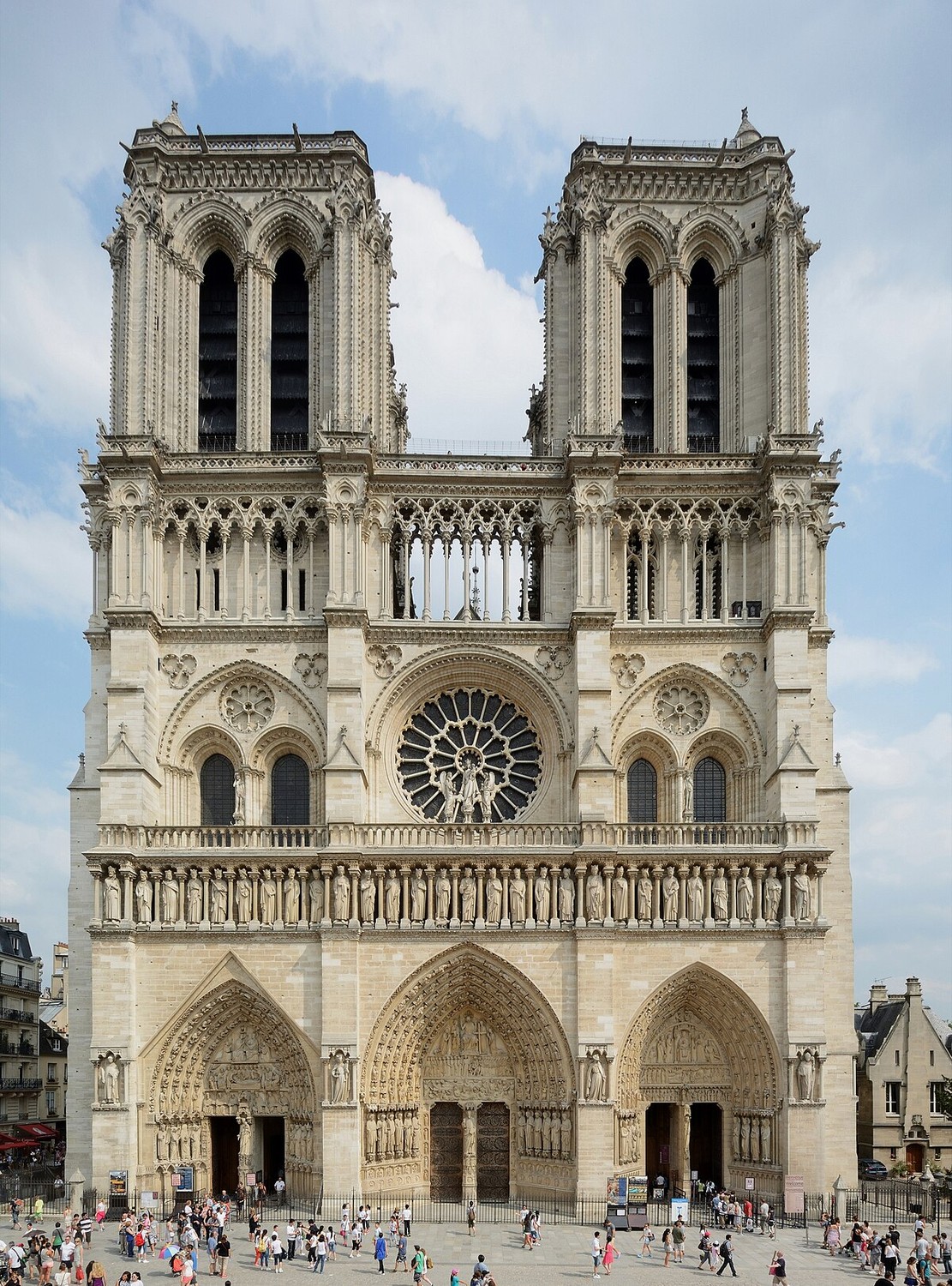
Notre-Dame de Paris is a primary example of Gothic architecture. The structure is defined by its use of flying buttresses and ribbed vaulting, which allow for significant height and the inclusion of large stained glass windows. These windows illuminate an interior that rises across three distinct levels. The exterior is further characterized by the presence of gargoyles and the massive twin bell towers, which reach a height of 69 meters (226 feet).
The roof structure, historically referred to as The Forest, was constructed using timber from over 1,300 oak trees. At the time of its collapse during the 2019 fire, the spire reached a height of 93 meters (305 feet). The cathedral's design incorporates various geometric and sculptural elements, including the rose windows and the Gallery of Kings on the western facade.
Masterpieces of the Artistic Collection
The cathedral holds significant religious and sculptural works that reflect centuries of devotion. The Portal of the Virgin, installed around 1210-1220, remains a central feature of the structure. Within the interior, the 13th-century organ contains 7,952 pipes and continues to fill the space with music. The Emmanuel bell, weighing 13 tons, has been ringing since 1681.
The collection includes several significant paintings and sculptures. Jacques Blanchard painted The Descent of the Holy Spirit in May of 1634. Jean Jouvenet contributed The Visitation in 1716. The Mausoleum of Count d'Harcourt was sculpted by Jean-Baptiste Pigalle.
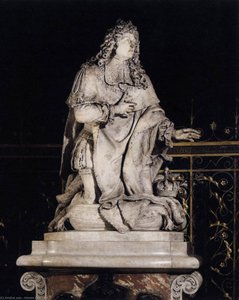
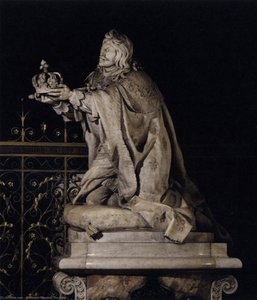
- Louis XIV, about 1708 - Antoine Coysevox
- Louis XIII, about 1708 - Guillaume Coustou the Elder
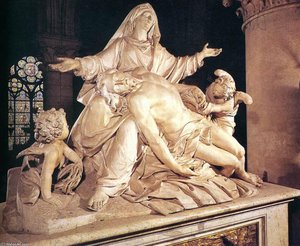
- Pietà, about 1712 - Nicolas Coustou
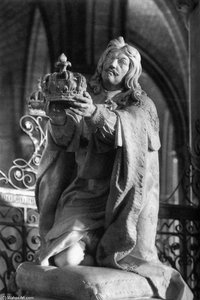
- Louis XIII Kneeling, about 1712 - Nicolas Coustou
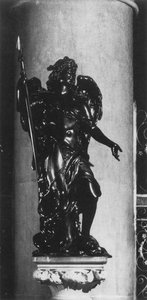
- Angel with the Lance, about 1712 - Anselme Flamen
Recent Projects and Restoration
On April 15, 2019, a catastrophic fire struck the cathedral, destroying the spire and much of the roof. The event caused significant damage to the upper walls and the structure known as the Forest. In the wake of the disaster, a global response emerged, with over €840 million in donations pledged by individuals, corporations, and governments to fund the recovery efforts.
The reconstruction process focused on technical precision and historical accuracy. Artisans and specialists prioritized replicating original materials and traditional techniques to ensure the structural integrity of the building. This meticulous work involved repairing damaged timber and piecing together fragments of stained glass. Following these extensive efforts, the cathedral reopened to the public on December 8, 2024.