
A Cathedral Forged in Faith and Stone
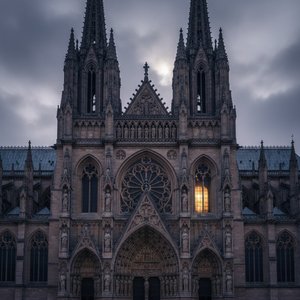
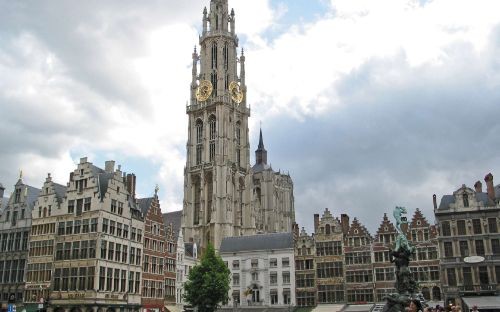
In the heart of Antwerp, where the pulse of commerce meets the echoes of antiquity, stands the Onze-Lieve-Vrouwekathedraal. This magnificent monument is far more than a religious edifice; it is a colossal achievement of Brabantine Gothic architecture that has dominated the Flemish skyline since its construction began in 1352. To approach the cathedral is to witness a masterclass in structural ambition, where soaring ribbed vaults and intricate flying buttresses work in silent harmony to distribute weight and create an interior sense of infinite space. The north tower, reaching an imposing height of 123 meters, serves as a sentinel over the city, its surface adorned with elaborate sculptural decorations of saints and biblical figures that reflect the profound piety and artistic sophistication of Antwerp’s golden age.
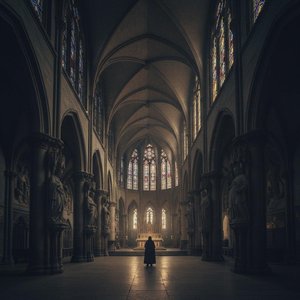
The architectural journey of the cathedral is etched into every carved stone block, many of which were painstakingly transported via barges along the Scheldt River. This logistical feat underscores the determination of a community that sought to create a sanctuary worthy of the divine. As one moves through the nave, which reaches heights exceeding 40 meters, the interplay of light and shadow creates a transformative atmosphere. The cathedral’s stained-glass windows act as luminous tapestries, flooding the sacred space with a kaleidoscope of colored light that breathes life into the liturgical rituals and illuminates the intricate marble and alabaster carvings that adorn the altars and chapels.
The Rubensian Legacy and Baroque Splendor
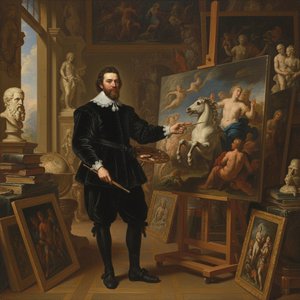
For the art lover and the connoisseur of fine technique, the cathedral serves as one of the world's most profound galleries of Flemish Baroque art. The walls do not merely hold paintings; they host a dramatic dialogue between light and human emotion, most notably through the monumental works of Peter Paul Rubens. Within this hallowed space, four masterpieces— The Raising of the Cross , The Descent from the Cross , The Resurrection of Christ , and The Ascension of the Virgin —stand as pillars of Western art history. Rubens’s mastery is palpable in every brushstroke, where his use of dynamic chiaroscuro and vibrant color palettes captures the very essence of spiritual fervor and anatomical precision.
These works are not mere decorations but are central to the cathedral's identity, embodying the dramatic tension and emotional intensity that defined the era. Alongside Rubens, the presence of masters like Van Dyck and Fabre ensures that the cathedral remains a cornerstone of artistic heritage. For interior designers and collectors, the aesthetic power of these works lies in their ability to command attention through scale and movement, offering a profound sense of drama that can transform any space with its historical weight and painterly brilliance. The cathedral continues to host exhibitions that bridge the gap between past glories and contemporary scholarship, ensuring that its collection remains a living, breathing chronicle of human creativity.