
A Living Chronicle of Compassion and Creativity
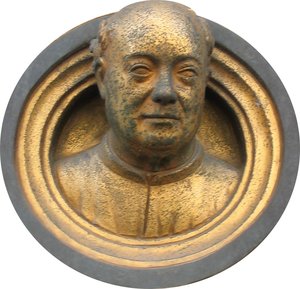
In the beating heart of Florence, where the echoes of the Renaissance still resonate through cobblestone streets, lies an institution that defies the traditional boundaries between a sanctuary for healing and a treasury of fine art. The Ospedale di Santa Maria Nuova is not merely a monument to the past; it is a living testament to seven centuries of Florentine philanthropy and human resilience. Founded in 1288 by the visionary Folco Portinari, inspired by the profound devotion of his wife Monna Tessa, this hospital stands as one of the oldest continuously operating medical institutions in the world. To walk through its doors is to step into a narrative where the pulse of medical progress beats in perfect synchronicity with the rhythm of artistic evolution, creating an atmosphere that is as much about the preservation of life as it is about the preservation of beauty.
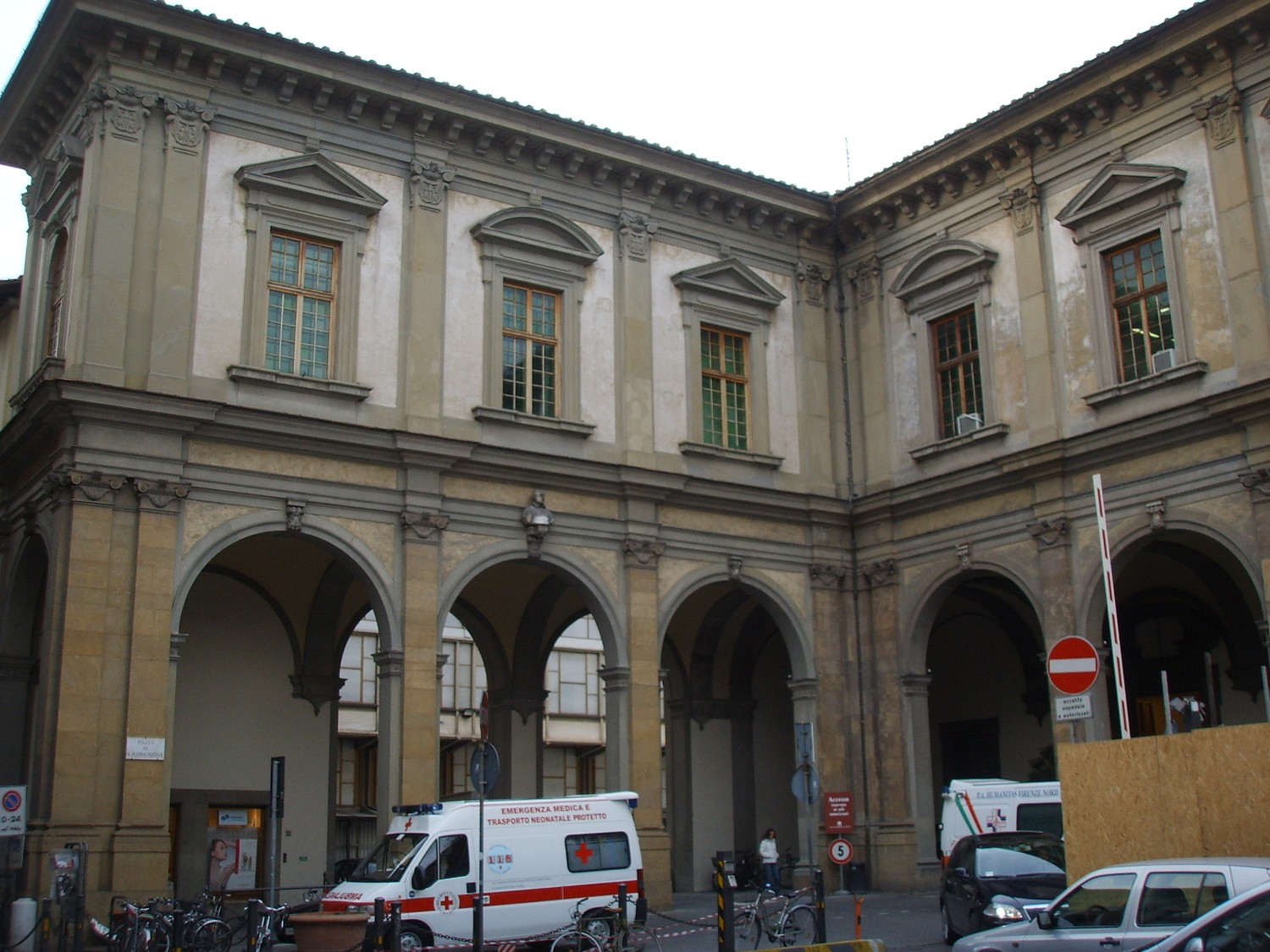
The architecture of Santa Maria Nuova serves as a physical timeline, guiding the visitor through layers of Florentine history. The grand Porch, a masterpiece of design that commands attention at the entrance, reflects the transition from the late Renaissance to the Baroque era, with its structural bones shaped by Bernardo Buontalenti and brought to fruition under Giulio Parigi in 1611. This imposing gateway acts as a threshold between the bustling modern city and a contemplative realm of history. Deeper within the complex, the Cloister of Bones offers a more somber, reflective experience. Constructed in the 19th century, this space houses the poignant tombstone of Monna Tessa, the very woman whose spirit inspired the hospital's foundation. Here, amidst symbolic sculptures that meditate on the ephemeral nature of existence, the architecture invites a profound connection to the themes of life, death, and the enduring power of compassion.
A Renaissance Canvas Woven into the Walls
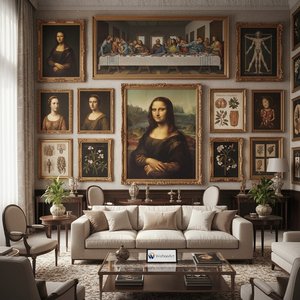
For the art lover and the collector, the true magic of Santa Maria Nuova lies in its extraordinary collection, a curated assembly of over 700 artworks that whisper tales of patronage and prestige. While many of the most famous masterpieces have migrated to nearby museums like the Spedale degli Innocenti to ensure their long-term preservation, the spirit of the Renaissance remains vibrantly present within these walls. The hospital’s halls are graced by frescoes by Buontalenti, whose innovative decorative techniques transform structural surfaces into celestial visions. One cannot help but feel the weight of history when encountering works attributed to Leonardo da Vinci , hinting at a period when the hospital was a focal point for the era's most brilliant minds. The collection is further enriched by the serene grace of a terracotta lunette depicting the Pietà by Giovanni della Robbia, a piece that brings a sense of divine tranquility to the clinical environment.
The artistic heritage of the institution even extends beyond its immediate physical boundaries, as fragments of Andrea del Castagno’s powerful Crucifixion with Saints Romuald and John the Baptist —originally commissioned for the hospital—continue to be linked to its historical identity. This seamless integration of art into a functional, medical space is what makes Santa Maria Nuova truly unique. It is a place where the Chiarugi Regulations were not just administrative rules but were documented through an aesthetic lens, ensuring that beauty and order coexisted within the wards. For interior designers and enthusiasts of classical aesthetics, the hospital offers an unparalleled study in how art can be used to elevate a space, transforming a site of care into a sanctuary of profound cultural significance.
An Enduring Legacy for the Modern Soul
Beyond its historical and artistic treasures, the Ospedale di Santa Maria Nuova continues to engage the contemporary world through thoughtful exhibitions and educational initiatives. Recent programming has focused on the intersection of faith, resilience, and innovation, exploring how the human spirit navigates periods of crisis—much like the plague-ridden eras Florence has survived. These exhibitions do more than display objects; they foster a deep appreciation for the connection between the human experience and the creative impulse. Through interactive workshops and lectures, the institution invites audiences of all ages to participate in the ongoing story of Florence.
Ultimately, what distinguishes this institution is its refusal to be a static museum. It remains a vibrant, functioning part of the city's social fabric, proving that the most profound art is often found where it serves a higher purpose: the care of our fellow man. Whether you are drawn by the architectural grandeur, the whispered secrets of Renaissance masters, or the moving history of Florentine charity, a visit to Santa Maria Nuova is a journey through time that leaves an indelible mark on the soul.