

A Neo-Renaissance Vision in the Carpathians
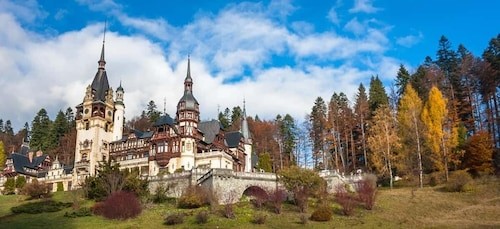
Located near Sinaia in the Carpathian Mountains, Peleș Castle was commissioned by King Carol I and Queen Elizabeth. The architecture reflects a deliberate eclecticism, blending Italian Renaissance elegance with German New-Renaissance aesthetics. The structure features a central tower reaching 66 meters and is characterized by intricate woodwork, stained glass, and marble floors. It was a pioneer in technological integration, being the first castle to be fully powered by locally produced electricity. The building served as a summer residence and a center for diplomatic activity for the Romanian royal family.
The construction of the castle spanned over four decades, beginning in 1873. Architects Johannes Schultz, Carol Benesch, and Karel Liman contributed to its realization. The site remains a significant part of Romania's history, having witnessed various political shifts and the end of the monarchy. The surrounding landscape offers views of the mountain valley, providing a quiet setting for the estate.
The Royal Collection and Decorative Arts
The interiors house a collection of European art and personal memorabilia acquired by the royal family. These objects reflect the specific tastes of King Carol I and Queen Elizabeth. The museum's holdings include a variety of media, from fine art to functional decorative objects.
Notable items within the collection include:
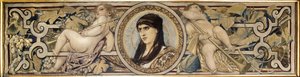
- Portrait of Isabella dʼEste, 1884 - Gustav Klimt
- Portrait of Philip Friedrich Christoph, Count of Hohenzollern, 1883 - Gustav Klimt
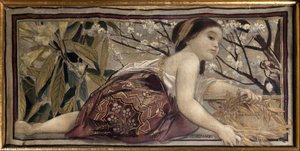
- Spring, 1884 - Gustav Klimt
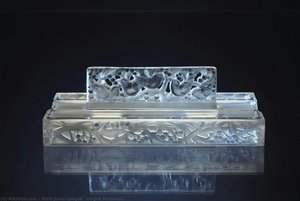
- Inkpot Mirabeau, 1927 - René Jules Lalique
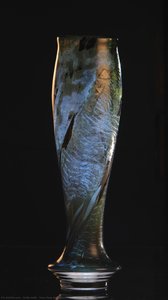
- Vase Musa Paradisiaca, 1895 - Émile Gallé
- Table set, 1900 - Studio Of Louis Comfort Tiffany
- Lamp Wisteria, 1902 - Studio Of Louis Comfort Tiffany
- Armchair, 1906 - Anton Pössenbacher Hofmöbelfabrik
- Tankard, 1800 - Ed. Wollenweber Workshop
The collection extends beyond paintings to include arms, armor, porcelain, and textiles. These pieces, ranging from the 17th to the early 20th century, provide a record of the material life within the palace. The presence of diverse styles, including Art Deco and Baroque, reflects the era in which the collection was assembled.