
A Baroque Masterpiece on the Banks of the Arno
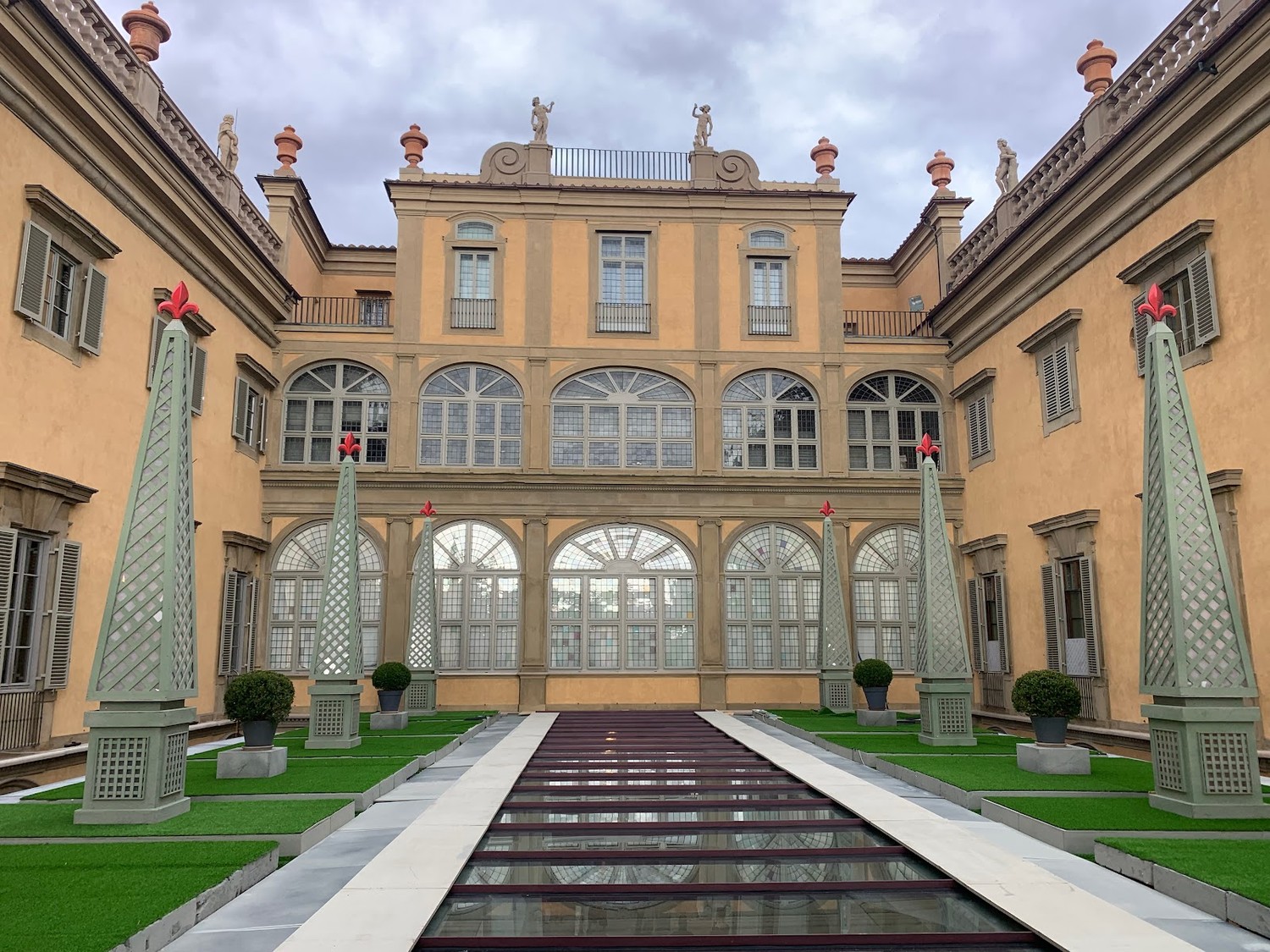
To step into Palazzo Corsini is to surrender to the theatrical splendor of the Florentine Baroque, a moment where time seems to suspend itself against the backdrop of the flowing Arno River. Nestled in the heart of Florence, this monumental palace serves as more than just a residence of historical significance; it is an immersive journey into the opulent soul of the Italian nobility. Originally conceived in the late 16th century, the structure underwent a magnificent evolution through successive renovations, reaching its zenith during the reign of Gian Gastone Corsini III. The architecture itself, masterfully shaped by Pier Francesco Silvani, embodies the very essence of Baroque principles—utilizing monumental scale and dramatic ornamentation to create a sense of harmonious grandeur that commands the attention of every passerby.
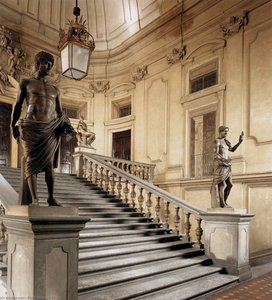
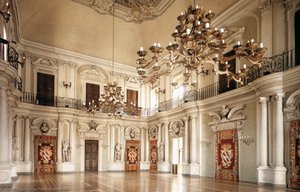
The palace’s physical presence is a deliberate statement of power and prestige. Its breathtaking façade, which gazes serenely upon the river, was designed to reflect the prominent position of the Corsini family within the social and political fabric of Tuscany. As one enters, the architectural narrative shifts from the external display of strength to an internal celebration of movement and light. The Great Staircase, a centerpiece of the palace’s design, exemplifies this aesthetic transition, featuring soaring heights and intricate sculptural embellishments that guide the visitor upward into a world of refined elegance. This sense of drama is further heightened by the work of Antonio Maria Ferri, whose design for the dramatic entrance staircase and the two-storey throne room creates an atmosphere of royal ceremony.
A Symphony of Frescoes and Fine Art
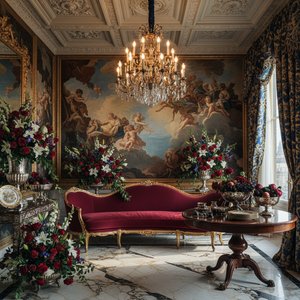
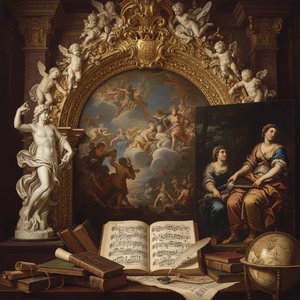
Beyond its structural magnificence, Palazzo Corsini houses a collection that serves as a vibrant panorama of artistic innovation. The Galleria Aurora stands as perhaps the most mesmerizing chamber within the palace, where the walls shimmer with frescoes that breathe life into mythological scenes and complex allegorical representations. These paintings are not merely decorative; they are windows into the intellectual currents of the Baroque period, offering profound insights into the tastes and philosophical pursuits of the era's elite. The artistry of Agostino Ciampelli, celebrated for his luminous depictions of angelic figures, underscores the palace’s role as a crucible where light and divinity meet on canvas.
The Corsini family’s dedication to art was profound, fostering a collection that spans the breadth of Italian painting from the Renaissance through to the 18th century. This curated legacy allows for a fascinating dialogue between different eras and techniques. Amidst the grand Baroque frescoes, one might encounter the poignant, delicate touch of Jean-François Millet’s ‘The Bouquet of Margueritas.’ This masterpiece, rendered with a masterful pastel technique, provides a soulful contrast to the palace's grandeur, capturing the quiet essence of Barbizon landscape painting and rural life. Such juxtapositions make the museum a unique destination for collectors and art historians alike, as it presents a seamless thread of human creativity across centuries.
An Enduring Legacy of Culture and Elegance
The interior of Palazzo Corsini continues to enchant with its diverse and evocative spaces. On the ground floor, the Summer Apartments and the Halls of the Nymph reveal a more romantic and decadent side of the palace. Here, visitors can discover impressive frescoes and the evocative cave built by architect Antonio Ferri, which offers a sense of mystery and enchantment. The main floor, conversely, maintains the formal dignity required for the high-society functions that have historically defined this space. This duality—the ability to move from the monumental to the intimate—is what makes the palace an unparalleled setting for both scholarly study and contemporary cultural dialogue.
Today, Palazzo Corsini remains a vibrant hub of activity, far from being a static relic of the past. By hosting prestigious events such as the Biennale Internazionale dell’Antiquariato di Firenze (BIAF), the palace reaffirms its significance in the modern art world, bridging the gap between historical treasure and contemporary scholarship. For interior designers seeking inspiration in classical proportions or for art lovers yearning to touch the hem of history, a visit to this Florentine gem is an essential experience. It is a place where every corner tells a story of beauty, power, and the enduring human desire to surround ourselves with the sublime.