


A Monument Forged in Stone and History
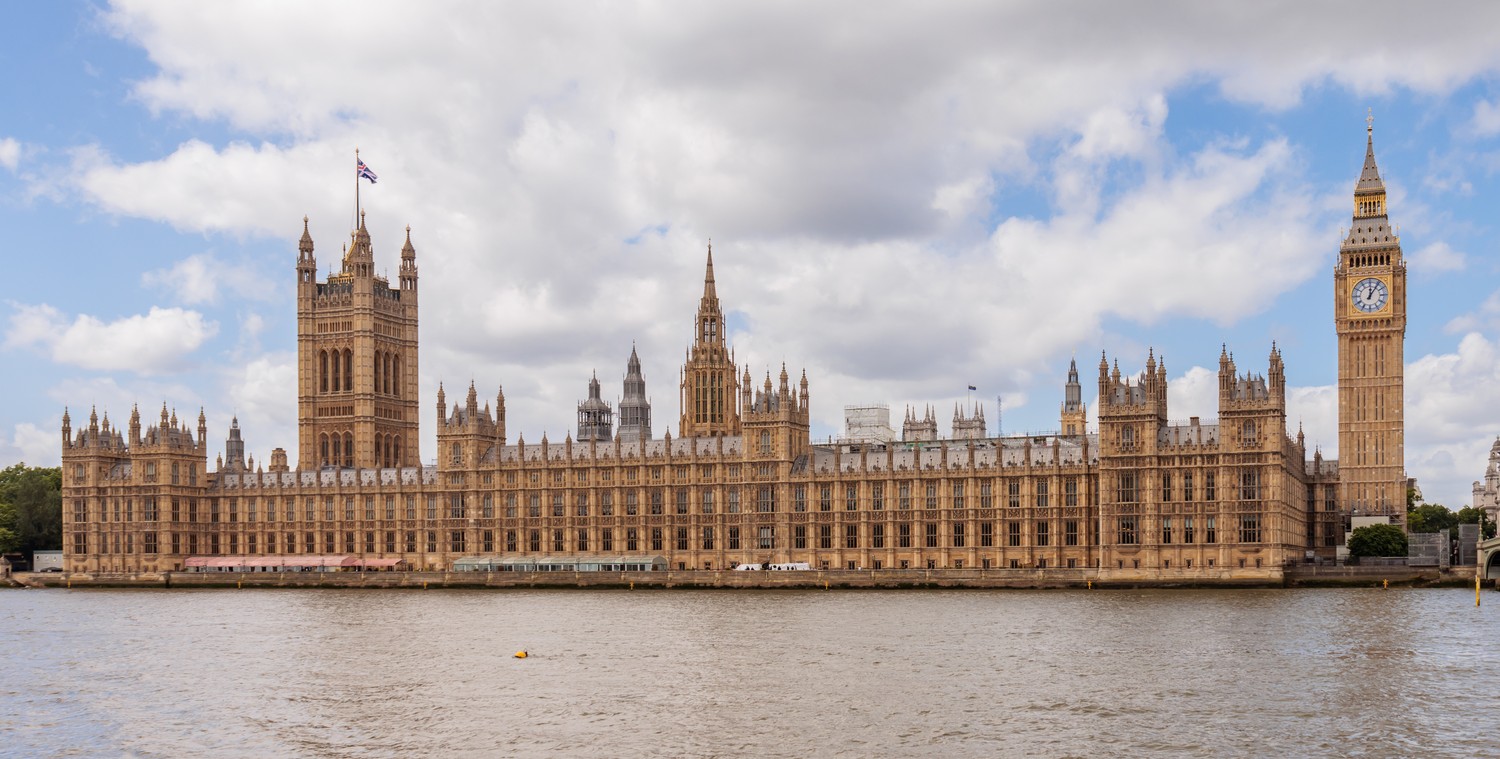
The very silhouette of the Palace of Westminster is instantly recognizable—its soaring spires punctuate the London skyline, crowned by the iconic Elizabeth Tower housing Big Ben. More than just a stunning architectural achievement, it is a living embodiment of over nine centuries of British political life, a place where the echoes of kings and queens, reformers and revolutionaries still resonate within its walls. Originally conceived as a royal residence in the 11th century, the Palace gradually evolved into the heart of British governance, witnessing pivotal moments that shaped not only the nation but also influenced democratic systems worldwide. To walk through its chambers is to traverse the timeline of England itself, from medieval power struggles to the complexities of modern parliamentary debate. The stones themselves seem to whisper tales of centuries past, a testament to the enduring spirit of a nation and its evolving ideals.
The devastating fire of 1834 irrevocably altered the Palace’s physical form, yet paradoxically, it birthed the magnificent structure we recognize today. The commission for its reconstruction fell to Charles Barry, who envisioned a breathtaking Gothic Revival masterpiece—a style deliberately chosen to connect the new palace with Britain's medieval past and evoke a sense of national identity. Working in close collaboration with Augustus Pugin, whose intricate designs adorn nearly every surface, Barry created a building that is as much a work of art as it is a functional seat of power. The pointed arches reach towards the heavens, ornate stonework tells stories in relief, and stained-glass windows filter light into kaleidoscopic patterns; these are not merely decorative elements but integral components of the Palace's narrative, telling tales through symbolism and craftsmanship. Preliminary studies for features like the Big and Big Ben clock tower reveal the meticulous planning and artistic vision that went into every detail, transforming a functional necessity into an enduring symbol of London.
A Repository of British Art and History
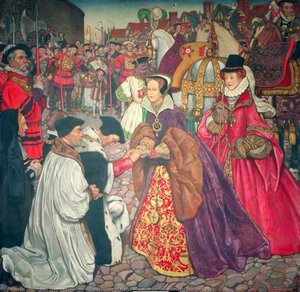
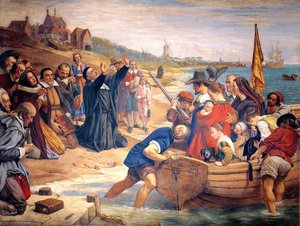
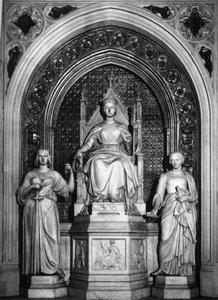
Beyond its political significance, the Palace of Westminster houses an extensive collection of artworks that offer a visual chronicle of British history. Portraits of monarchs, statesmen, and influential figures line the corridors, providing glimpses into the personalities who have shaped the nation’s destiny. Sculptures commemorate key events and individuals, while historic paintings capture defining moments in British political life. Westminster Hall, miraculously saved from the 1834 fire, stands as a testament to medieval architecture and has witnessed coronations, trials, and state occasions for centuries. It is within these walls that one can almost feel the weight of history—the footsteps of kings, the pronouncements of judges, and the impassioned speeches of parliamentarians. The Palace is not simply decorated with art; it is a work of art in itself, where architecture, sculpture, and painting converge to create an immersive historical experience.
While intrinsically linked to British politics, the Palace of Westminster exists within a rich cultural landscape alongside other iconic London institutions. A short distance away stands Buckingham Palace, the official residence of the monarch, offering a glimpse into royal life and tradition. Nearby, the Supreme Court of the United Kingdom represents the pinnacle of legal authority, while Westminster Abbey remains a sacred space for coronations and national commemorations. The concentration of such significant landmarks in this area underscores Westminster’s role as not just a political center but also a cultural heartland—a place where history, power, and artistic expression converge. The Palace's enduring appeal lies in its ability to simultaneously represent the past, present, and future of British democracy, making it an essential destination for anyone seeking to understand the nation’s complex and fascinating story.