

Origins and History of the Museum
Pori Art Museum is a museum of contemporary and modern art located in Pori, Finland. The institution was established in 1979. Its foundation is closely linked to the Collection of Maire Gullichsen Art Foundation.
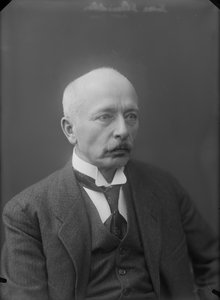
The museum was established mainly by Professor Maire Gullichsen (1907-1990), who was also a co-founder of Artek. The institution's origins are rooted in her collection, which forms a central part of the museum's identity. This foundation provided the basis for a collection that includes both Finnish and international art from the early 19th century to the present day.
The Historic Building and Its Architecture
The museum occupies a historic 19th-century customs house and old weigh house situated by the river Kokemäenjoki in the city centre of Pori, Finland. The original structure was built in 1860 and designed by the architect C. J. von Heideken. This placement in the old town center maintains a physical connection to the maritime and commercial history of the region.
The building underwent significant transformation to accommodate its current function. Between 1979 and 1981, architect Kristian Gullichsen renovated the site for museum use. This architectural evolution continued with the completion of the latest extension in 2000. The museum's physical footprint now encompasses approximately 800 m2 of exhibition area.
The architecture reflects a transition from a functional industrial utility to a dedicated space for contemporary and modern art. The site's layout integrates the original 1860 masonry with more recent structural additions. This combination of historical and modern design provides the framework for the rotating exhibitions held within the walls.
The Major Art Collections
The museum holds nearly 4,000 works of art. These collections encompass Finnish and international art spanning from the early 19th century to the present day. The holdings are organized into two primary groups: the Maire Gullichsen Art Foundation collection and the Pori Municipal Collection.
The Maire Gullichsen Art Foundation collection focuses on Finnish art produced between the late 19th century and the 1980s. The Pori Municipal Collection emphasizes 20th-century art and works by 19th-century Finnish artists. These collections are not on permanent display but are presented through changing exhibitions and in various public spaces throughout the city.
Selected works within the museum's holdings include:
- Christ Walks on Water, 1891 - Eero Järnefelt
- Hat-headed Boy, 1860 - Severin Falkman
- German Landscape, 1855 - Werner Holmberg
- Il pecoraio (Shepherd), 1822 - Aleksander Lauréus
- Roman Osteria, 1820 - Aleksander Lauréus
Exhibitions and Research Activities
The museum presents its collections through changing exhibitions, specific events, and placements in municipal facilities and public spaces. These displays allow for a rotating view of the holdings, ensuring that the art remains accessible beyond the permanent walls of the institution. Visitors can utilize the on-site library, café, and shop, or access the meeting facilities and tourist information point located within the building.
Research is a core function of the institution. The museum monitors, documents, and records art within the Satakunta region. This systematic documentation is supported by three primary archives: the research archive, the photo archive, and the media archive. These resources provide the necessary foundation for studying regional artistic developments and maintaining the historical record of the collections.
Recent Projects and Restoration
In July 2021, the museum facilities sustained damage following an arson attack on a truck parked near the building. This incident resulted in 1,200 collection pieces being affected by smoke, soot, and water. To ensure the preservation of these items, they were moved to an external, purpose-built storage facility. The restoration of these damaged pieces is expected to take between two and three years.
Due to the ongoing renovation of the museum building, collection services remain closed until June 2024. During this period, all archive materials have been moved to temporary storage to protect them from further environmental risks. The institution remains focused on the technical recovery of its holdings and the stabilization of its physical environment.