
Origins and History of the Foundation
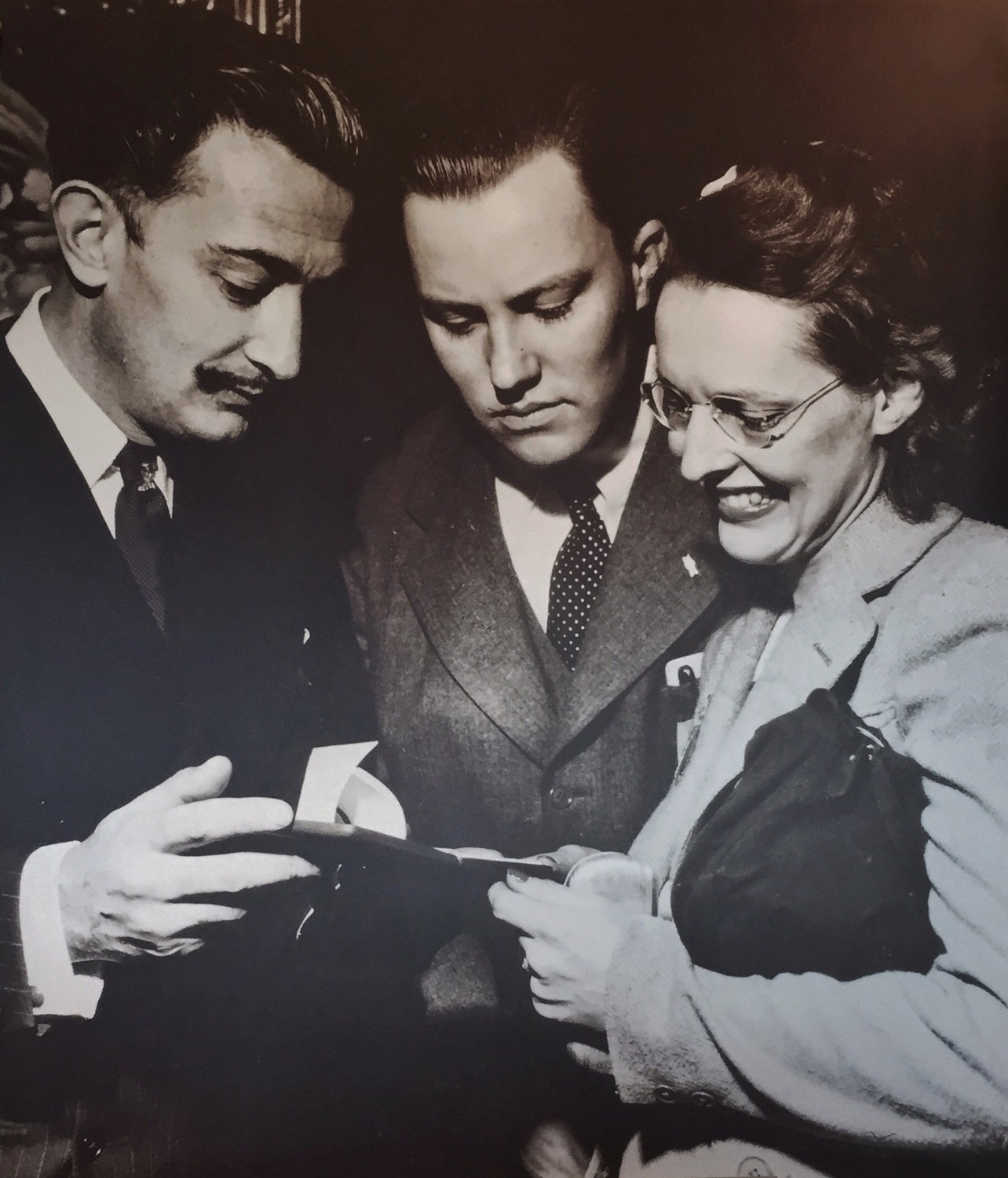
The Reynolds Morse Foundation began with a chance encounter in 1942. A. Reynolds and Eleanor Morse met during a traveling Dalí retrospective held at the Cleveland Museum of Art. This meeting preceded their marriage in 1943. Shortly after, in March 1943, the couple acquired their first Dalí painting, Daddy Longlegs of the Evening—Hope! (1940). This initial purchase marked the beginning of a lifelong commitment to the artist's vision.
As the collection grew, the scale of the acquisitions necessitated a dedicated space to house the works. The Morses initially displayed their growing assemblage within the walls of their factory in Beachwood, Ohio. This arrangement provided a functional setting for the art during the early decades of their collecting. The collection eventually expanded to include nearly 100 paintings and over 1,000 drawings, prints, and objects.
The institutional history of the foundation underwent a significant transition in 1982. At that time, the museum moved from its original location in Ohio to Saint Petersburg, Florida. This relocation ensured the preservation and accessibility of the holdings for a wider audience. The foundation remains a primary repository for the works of Salvador Dalí, maintaining the continuity of the Morses' original intent.
The Architecture of the Dreamscape
The building's architecture functions as a deliberate extension of the art it houses. Eschewing grandiosity, the design favors serene spaciousness to create an environment conducive to contemplation and immersion. This intentionality ensures the physical structure does not compete with the visual language of the works on display.
Galleries are bathed in soft light, allowing the specific details of the paintings to remain the primary focus. The layout prioritizes a seamless flow between artworks, guiding the viewer through the space without abrupt transitions. This spatial arrangement encourages a continuous engagement with the surrealist imagery.
The Salvador Dalí Collection
The collection encompasses works from the artist's entire career. It includes nearly 100 paintings and over 1,000 drawings, prints, and objects. These works are accompanied by watercolors and films. The breadth of the holdings extends into applied arts, featuring specific designs for clothing, furniture, and ballet sets.
The assembly reflects a long-standing relationship between the artist and the founders. Early acquisitions included Daddy Longlegs of the Evening—Hope! (1940). The collection's development was marked by a commitment to acquiring works that resonated personally with the collectors. This approach resulted in a significant accumulation of diverse media, ranging from traditional oil on canvas to more ephemeral sketches and cinematic experiments.
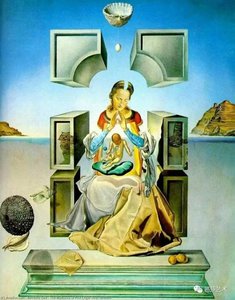
- The Madonna of Port Lligat (first version), about 1950
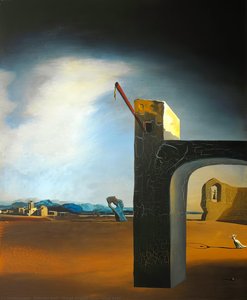
- 'Morphological Echo', about 1936
Iconic Masterpieces of the Collection
The centerpiece of the Foundation is The Hallucinogenic Toreador, a monumental work completed in 1970. This large-scale painting functions as a complex dreamscape where a bullfighter dissolves into a coastal scene. The composition explores the fluidity of perception through fragmented forms and symbolic imagery. It remains a primary focus for those studying the artist's later Surrealist developments.
Other significant works within the collection trace the evolution of the artist's vision. 'Morphological Echo', dating from about 1936, represents an earlier period of his creative output. In contrast, The Madonna of Port Lligat (first version), created about 1950, demonstrates a different facet of his technical approach. These paintings allow for a direct observation of how his style shifted over several decades.
- The Hallucinogenic Toreador, 1970
- The Madonna of Port Lligat (first version), about 1950
- 'Morphological Echo', about 1936