
A World Within Walls: Unveiling the Rijksprentenkabinet
Nestled within the grand embrace of Amsterdam’s Rijksmuseum lies a treasure often experienced as an intimate annex – the Rijksprentenkabinet, or Royal Collection of Prints and Drawings. More than simply a department, it is a specialized institution dedicated to the art of drawing and printmaking, offering a profoundly different perspective on Dutch artistic heritage. While the Rijksmuseum showcases finished masterpieces that define an era, the Rijksprentenkabinet unveils the very genesis of those works: the exploratory sketches, meticulous studies, and experimental prints that reveal the artist’s hand and mind in their most vulnerable state. It is a space where one doesn't merely *view* art, but witnesses its birth, feels the tremor of initial ideas taking form on paper, and understands the laborious process behind iconic images – a tangible connection to the creative spirit itself.
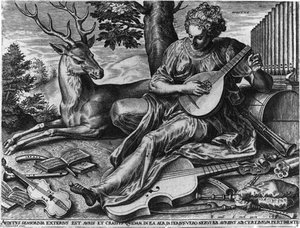
Echoes of Masters: A Collection Spanning Centuries. The collection’s strength resides in its unparalleled assembly of Dutch masters. Here, one encounters not just the celebrated paintings of Rembrandt van Rijn, Frans Hals, and Johannes Vermeer, but also the preparatory sketches that preceded them – glimpses into their creative processes, revealing layers of thought and technique. Imagine holding a sheet bearing Rembrandt's rapid charcoal strokes as he wrestled with light and shadow for *The Night Watch*, or tracing the delicate pen lines outlining a figure study by Vermeer before it found its place in *The Milkmaid*. These aren’t mere reproductions; they are intimate windows into the artist’s mind, demonstrating the countless hours of observation, experimentation, and refinement that shaped these enduring works. Beyond these celebrated names, the Rijksprentenkabinet boasts a comprehensive overview of printmaking techniques throughout history. From the bold simplicity of early woodcuts to the intricate detail achievable through engravings, etchings, and lithographs, the collection demonstrates the evolution of artistic expression across centuries – showcasing masters like Dürer, Holbein, and Goya alongside their Dutch counterparts.
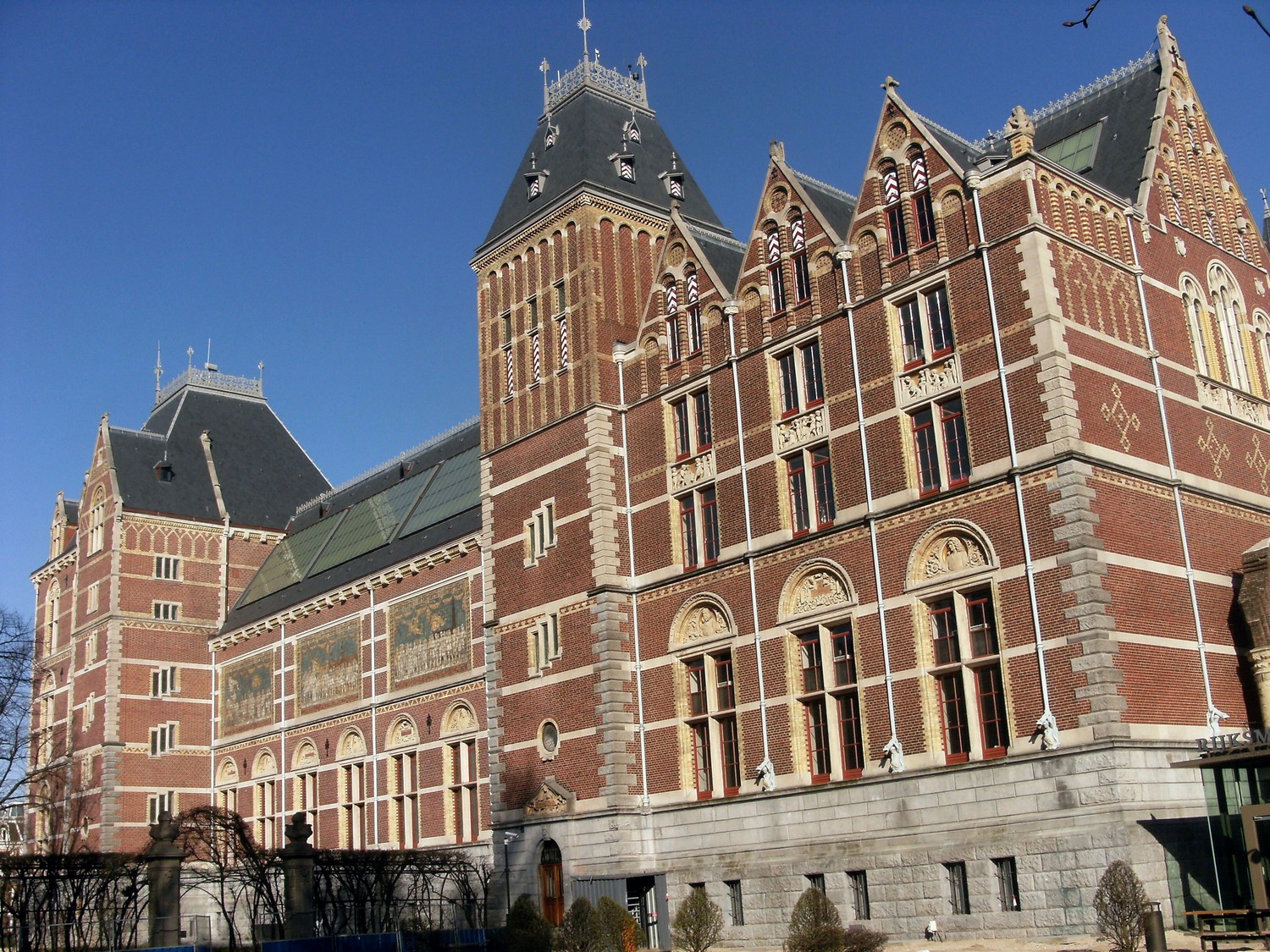
A History Etched in Time. The origins of this remarkable collection trace back to 1798, coinciding with the founding of the Rijksmuseum itself. Initially a modest undertaking, it grew steadily over two centuries through strategic acquisitions and generous donations. The Rijksprentenkabinet gradually established itself as a distinct department within the larger museum complex, dedicated to the preservation and scholarly study of works on paper. Its physical journey mirrors this evolution, having been housed in various locations – from The Hague to Amsterdam’s Royal Palace and the historic Trippenhuis – before finally finding its permanent home within Pierre Cuypers’ breathtaking neo-Renaissance masterpiece. Completed in 1885 after a decade of construction, the Rijksmuseum building itself is an artwork, providing a fittingly grand setting for the delicate treasures it protects. The very walls seem to whisper stories of artistic endeavor and historical significance, enhancing the contemplative atmosphere within the Print Room. The collection’s evolution reflects not just artistic trends but also shifts in printing technology and the museum's own organizational priorities – a testament to its enduring importance.
An Intimate Encounter with Artistic Process
What truly sets the Rijksprentenkabinet apart is the intimate encounter it offers with the artistic process. Unlike standing before a finished canvas, exploring drawings and prints feels like peering over an artist’s shoulder, witnessing their initial ideas take form. You see the hesitant lines of early sketches, the careful layering of tones in charcoal or chalk, the precise control required for each etching stroke. These aren't idealized representations; they are raw, unfinished glimpses into a creative struggle – revealing the doubts, revisions, and serendipitous discoveries that shaped the final product. The collection includes numerous discarded studies, proofs, and experimental prints, offering an unprecedented insight into the artist’s working methods. This immediacy fosters a deeper understanding not only of *what* was created but also of *how* it came to be – transforming the viewing experience from passive observation to active engagement with the creative journey.
Notable Exhibitions & Collections Highlights
The Rijksprentenkabinet regularly hosts temporary exhibitions that illuminate specific aspects of its collection and printmaking history. Recent highlights have included “Rembrandt’s Sketches,” a focused look at the artist's preparatory drawings for his most famous paintings, and “Printmakers of the Dutch Golden Age,” showcasing the diverse range of techniques and styles employed by master printers. Beyond these thematic exhibitions, the collection itself is organized around several key areas: Early Prints (woodcuts and engravings from the 15th to 17th centuries), Drawing Materials & Techniques, and a dedicated section on Dutch Masters’ Sketches. A particularly fascinating area is the collection of experimental prints – proofs and studies that demonstrate artists pushing the boundaries of printmaking, exploring new techniques and effects. The museum also holds a significant number of works by international artists, providing valuable context for understanding the broader European artistic landscape.
Planning Your Visit & Preservation
Access to the Rijksprentenkabinet is seamlessly integrated with admission to the Rijksmuseum. Due to the delicate nature of the artworks, exhibitions are thoughtfully rotated, ensuring a fresh and engaging experience even for frequent visitors. The Printroom Online, accessible through the Rijksmuseum’s website, offers a digital gateway to explore a significant portion of the collection from anywhere in the world – a valuable resource for researchers and art enthusiasts alike. The museum's careful curation, with controlled lighting and specialized display methods, reflects its commitment to safeguarding these fragile legacies for generations to come. It is a space designed not just for viewing, but for quiet contemplation and scholarly exploration, inviting visitors to connect with art on a profoundly personal level. The Rijksprentenkabinet stands as a vital reminder that behind every masterpiece lies a process of experimentation, refinement, and ultimately, human ingenuity – a world within walls waiting to be discovered.