

A Gothic Testament to Bohemian Royalty
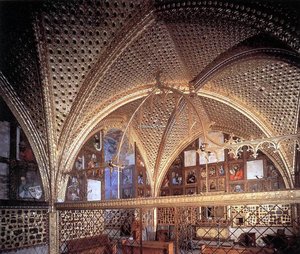
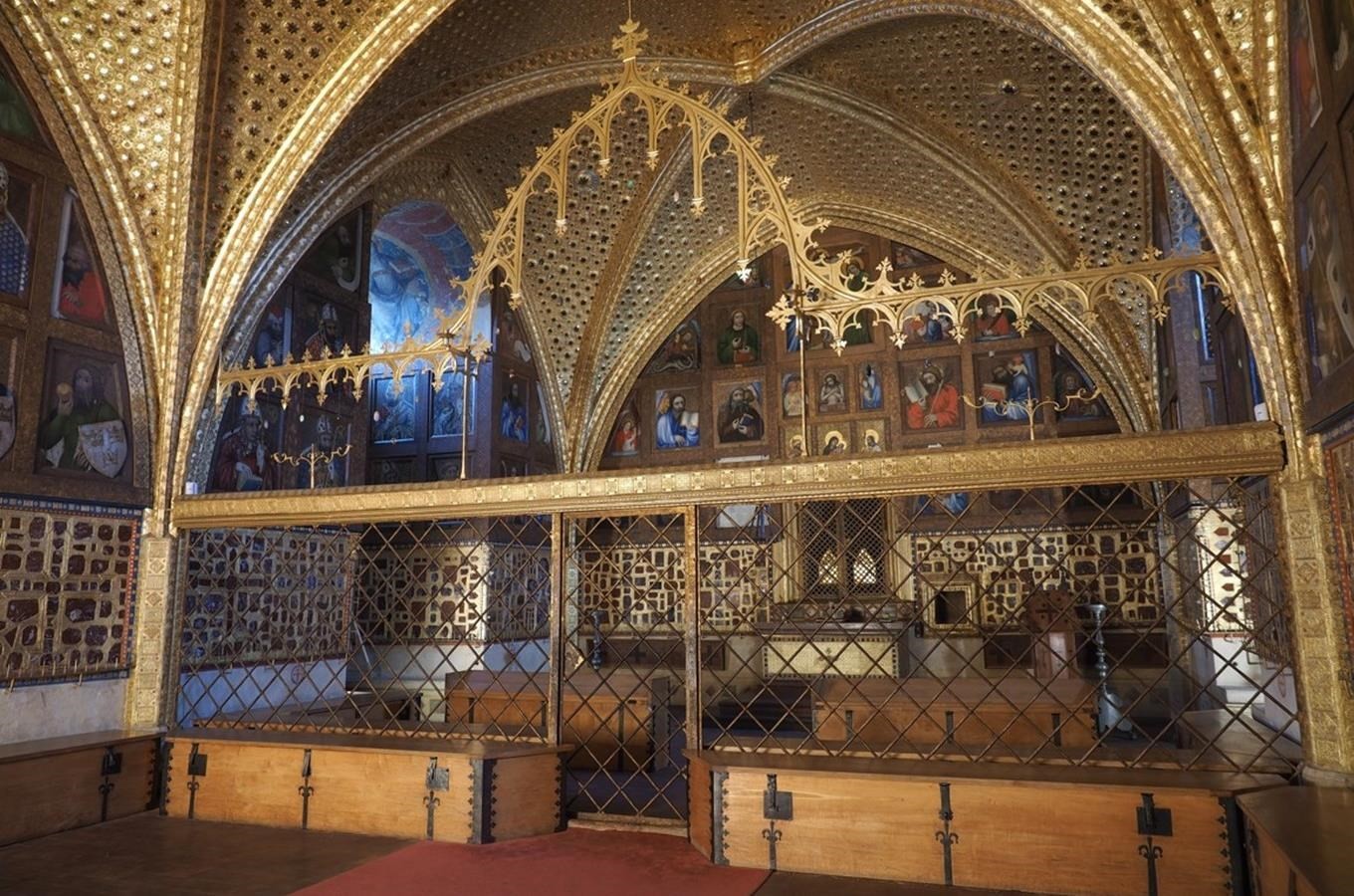
Perched majestically atop Velká hora hill, overlooking the verdant Berounka River, Karlštejn Castle stands as a profound monument to the ambition and piety of Holy Roman Emperor Charles IV. More than a mere fortress, this architectural marvel serves as a sacred repository where Czech history and artistic achievement intertwine. The Chapel of the Cross , the castle's spiritual heart, embodies the very zenith of Gothic design in Bohemia. Constructed during the transformative reign of Charles IV between 1348 and 1378, the chapel’s soaring ribbed vaults and pointed arches reflect a sophisticated mastery of structural engineering. Every meticulously carved limestone wall whispers tales of an era where architectural grandeur was used to bridge the gap between the earthly realm and the divine.
The significance of this sacred space extends far beyond its stone walls, as it was designed to safeguard the most precious symbols of sovereignty: the Imperial Regalia and the Bohemian Crown Jewels. These treasures, brought here during times of profound political crisis, cemented the chapel's role as a cornerstone of Czech national identity. The very air within the chapel seems heavy with the weight of history, bearing witness to pivotal moments ranging from the turbulent Hussite uprisings to the enduring era of Habsburg rule. It remains a site where religious fervor and political maneuvering once met, creating a sanctuary that is as much a political statement as it is a place of worship.
Illuminating Faith Through Stone and Light
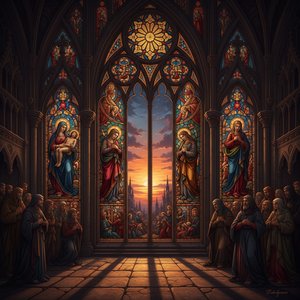
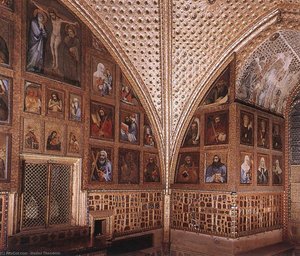
To step inside the Chapel of the Cross is to enter a realm of unparalleled artistic splendor. The interior is dominated by a breathtaking stained glass window depicting “The Exaltation of the Cross,” an exquisite masterpiece attributed to the Limbourg Brothers . This work exemplifies the International Gothic style, captivating the viewer with its delicate detail and a vibrant, ethereal color palette that seems to capture light itself. Such illumination serves as a profound metaphor for the medieval devotion to Christian iconography, transforming the chapel into a luminous vessel of spiritual storytelling.
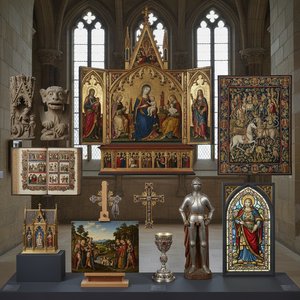
Beyond the central altar, the walls are adorned with a series of evocative paintings portraying biblical scenes and revered saints, including Saint Catherine and Saint Elizabeth. Executed by artists closely affiliated with the court of Charles IV, these works showcase the stylistic nuances of Northern European Gothic art, blending geometric precision with an unexpected, expressive emotion. For the collector or lover of medieval aesthetics, these artworks offer a rare glimpse into the sophisticated visual language of the 14th-century Bohemian court, where every brushstroke was intended to inspire awe and contemplation.
A Cathedral in Miniature and a Spiritual Legacy
The architectural brilliance of the chapel is matched by its unique scale; it functions essentially as a cathedral in miniature. The design is remarkably intimate yet grand, working in harmony with the adjacent Great Tower to create a cohesive narrative of power and protection. Within the tower, a stunning suspension bridge leads visitors through a landscape of history, while the interior walls are enriched with murals depicting pivotal scenes from Bohemian chronicles. This integration of architecture and narrative art ensures that every corner of the complex contributes to a larger story of endurance.
At the center of this spiritual journey lies the gilded shrine containing the relic of Saint Wenceslas , the patron saint of Bohemia. This sacred object underscores Karlštejn’s enduring role as a site of pilgrimage and a symbol of Bohemian spiritual heritage. For the modern visitor, the Chapel of the Cross offers an immersive experience into a lost world—a realm defined by royal ambition and unwavering faith. It remains a beacon of artistic excellence, inviting all who enter to reflect on the enduring legacy of the figures who shaped the destiny of Czech history.