Royal Shakespeare CompanyStratford-Upon-Avon, United Kingdom

Quick Facts

  • Historical periods: modern
  • Featured artists:
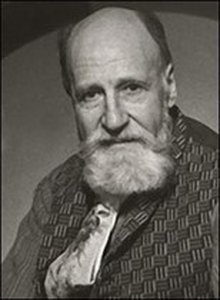
    • angus rowland mcbean
    • simon annand
    • tatiana benita moiseiwitsch
    • Regina Pilawuk Wilson
  • Movements:
    • contemporary realism
    • harlem renaissance
    • other
    • surrealism
    • surrealist photography
  • Works on APS: 38
  • More…
  • Alternate names:
    • Royal Shakespeare Company
    • RSC
    • Shakespeare Memorial Theatre
    • Shakespeare Memorial Theatre Ltd.
  • Mediums:
    • acrylic
    • acrylic on canvas
    • black and white photography
    • painting
    • photography
  • Location: Stratford-upon-Avon, United Kingdom
  • Art types:
    • photo
    • wallart

A Stage for Centuries: The Royal Shakespeare Company as a Living Archive

The heart of Stratford-upon-Avon doesn’t simply *house* theatre; it *is* theatre—a perpetually unfolding drama etched into the very fabric of its buildings and breathed into life by generations of performers. The Royal Shakespeare Company (RSC) transcends the conventional definition of a museum, existing instead as a profoundly unique ‘living archive.’ It isn't a repository of static objects, but rather a meticulously constructed testament to the ephemeral power of performance itself. Here, within the birthplace and final resting place of William Shakespeare, history isn’t framed behind glass; it resonates in the worn scripts, the vibrant costumes that once embodied iconic characters, and most powerfully, in the collective memory of countless performances that have shaped British culture for over a century. To wander through Stratford-upon-Avon is to walk onto a stage constantly in rehearsal, surrounded by echoes of innovation and artistic passion.

From Memorial to Modernity: The Architectural Evolution

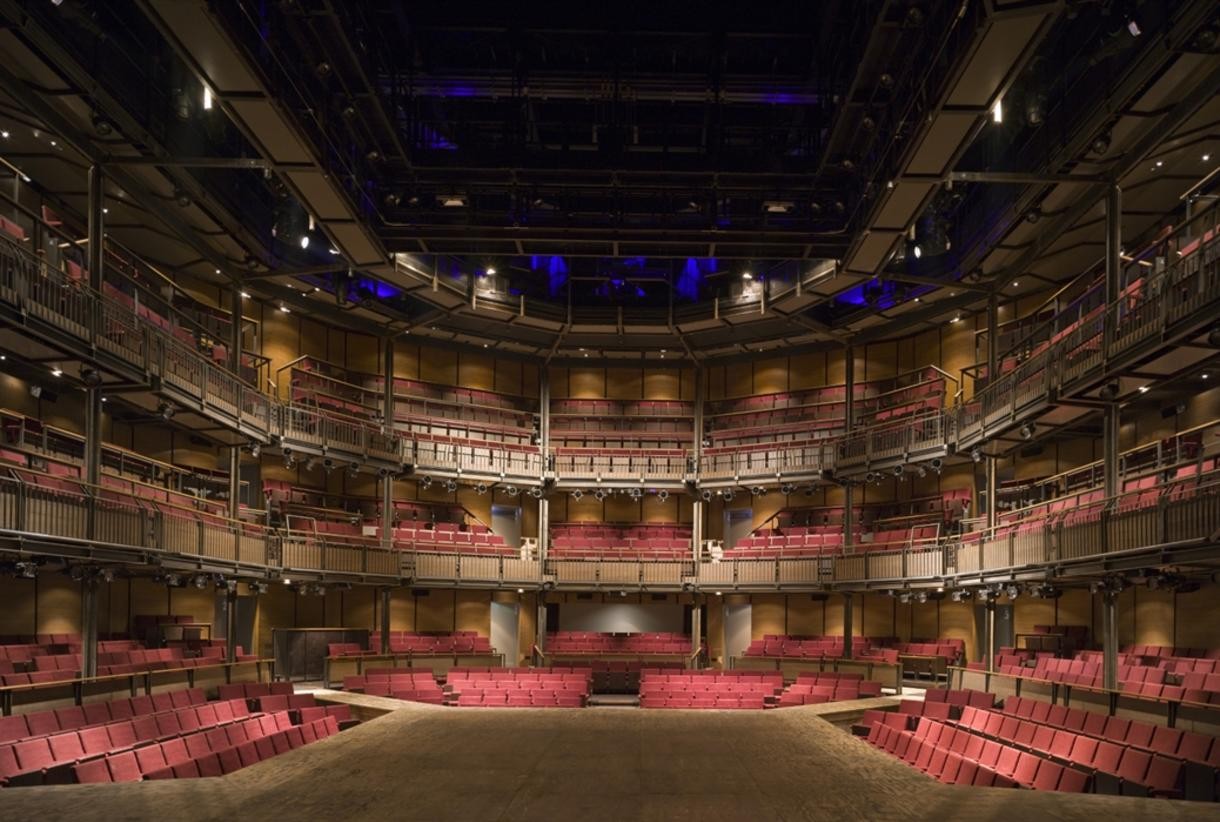
The story of the RSC began not with grand ambition, but with a deeply felt reverence for Shakespeare’s legacy. In 1875, local brewer Charles Edward Flower recognized the urgent need to safeguard and celebrate the Bard's work, leading to the creation of the Shakespeare Memorial Theatre. This initial structure, a breathtaking Victorian Gothic masterpiece, was an intentional homage to the grandeur of Elizabethan theatre—a romantic vision realized in brick and stone. Though tragically lost to fire in 1926, its foundations proved crucial. The subsequent rebuilding effort, spearheaded by architect Elisabeth Scott in the 1930s, marked a bold departure. Scott’s design wasn't merely reconstruction; it was reinvention—a surprisingly modern shift that established the RSC as a forward-thinking force. Her soaring ceilings and innovative stage configuration stand as a remarkable example of modernist architecture seamlessly integrated with the spirit of Shakespearean drama. This architectural soul is further embodied in two distinct theatres: The Royal Shakespeare Theatre, famed for its ‘thrust stage’ which dramatically reduces the distance between performers and audience, fostering an unparalleled intimacy; and the Swan Theatre, a lovingly crafted recreation of Shakespeare's original Blackfriars Playhouse, offering a more concentrated and nuanced theatrical experience.

A Treasury Woven in Thread and Ink

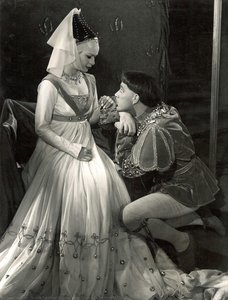
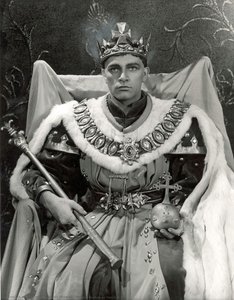
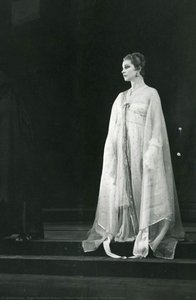
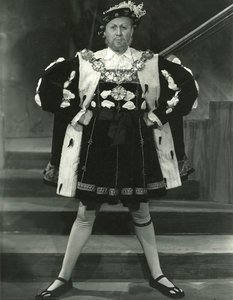
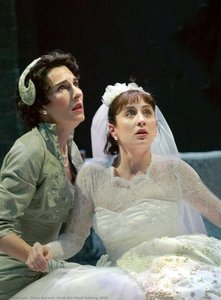
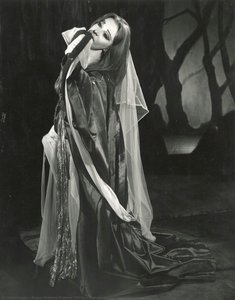
While lacking a traditional collection of paintings or sculptures, the RSC’s holdings are remarkably rich in theatrical ephemera—the tangible remnants of artistic creation. The archive boasts an astonishing array of costume designs, spanning opulent Elizabethan gowns meticulously crafted with period detail to strikingly contemporary interpretations that challenge aesthetic norms. These aren't simply garments; they are embodiments of character, each stitch and embellishment telling a story about the social and emotional complexities Shakespeare explored. Equally significant is the collection of set designs—a visual feast showcasing imaginative recreations of historical landscapes and interiors, revealing the collaborative process between artists, directors, and designers. Beyond these visual treasures lies an extensive library housing not only Shakespeare’s complete works but also groundbreaking new plays that demonstrate the RSC's commitment to fostering contemporary theatrical voices. These scripts are more than words on a page; they represent countless hours of rehearsal, interpretation, and performance—each marked with the fingerprints of those who have brought them to life. Original production photographs, promotional materials, and personal correspondence complete this rich tapestry, painting a vivid picture of the RSC’s history and evolution.

Innovation & Legacy: A Commitment to Accessibility

The Royal Shakespeare Company distinguishes itself not only through its artistic excellence but also through its unwavering commitment to education and community engagement. Productions consistently garner critical acclaim for their inventive approaches to Shakespearean texts, pushing boundaries while remaining faithful to the spirit of the original works. Simultaneously, the company actively engages communities through workshops, tours, and educational resources—making Shakespeare accessible to learners of all ages and backgrounds. This dual focus underscores the RSC’s role as a catalyst for cultural enrichment, ensuring that Shakespeare's enduring influence continues to inspire generations of artists and thinkers. The RSC is more than just a theatre; it’s a living monument to the power of storytelling, a testament to the legacy of William Shakespeare, and a beacon of creativity poised to illuminate the stage for centuries to come. It is a place where history isn't observed, but experienced.

Art Quiz

There is only one correct answer for each question.

Question 1:
In what town is the Royal Shakespeare Company primarily located?
Question 2:
What is unique about the RSC's collection compared to traditional museums?
Question 3:
Who initiated the vision that eventually led to the creation of the Royal Shakespeare Company?
Question 4:
What architectural style is the original Shakespeare Memorial Theatre (before the fire) described as?
Question 5:
What is a key feature of the Royal Shakespeare Theatre's stage configuration?
Question 6:
The Swan Theatre is designed as a recreation of what?
Question 7:
Besides performances, what is a significant focus of the Royal Shakespeare Company?
Question 8:
What do the RSC's costume designs represent beyond just garments?
Question 9:
What is Arden Street Studios primarily used for?
Question 10:
Elisabeth Scott's design for the rebuilt Royal Shakespeare Theatre is described as...
© 2026 mus3ums.com