

Origins and History of Monasterio de San Lorenzo
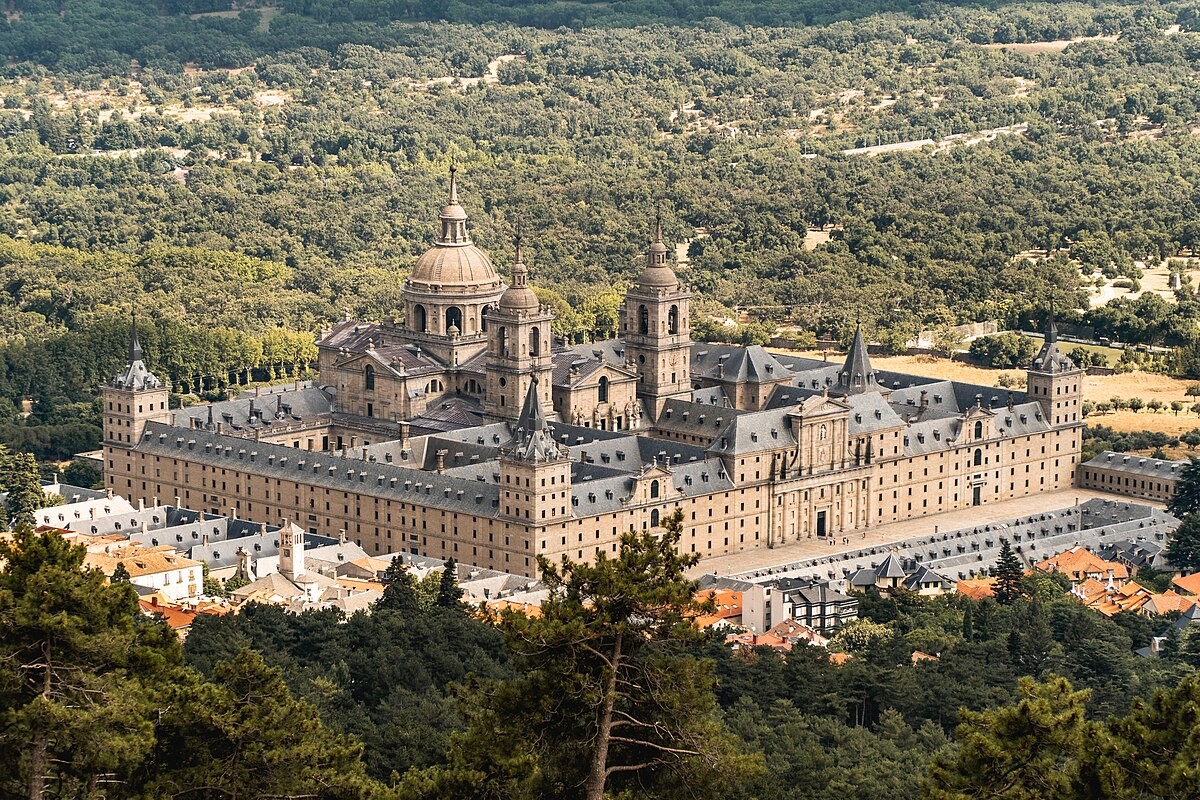
The Monasterio de San Lorenzo was established in 1563 by order of King Philip II. The commission was intended to commemorate the Spanish victory at the Battle of St. Quentin in 1558. This monumental project was designed to function as a multifaceted complex, encompassing a monastery, a basilica, a royal palace, and a pantheon. The site was settled in a rugged, isolated location on the slopes of the Sierra de Guadarrama, overlooking the landscape toward Madrid.
Construction of the complex proceeded between 1563 and 1584. The religious community within the walls was established as a community of Hieronymite monks. This monastic presence was intended to foster a tradition of prayer and scholarship alongside the royal functions of the site. The scale of the project required the labor of thousands of artisans, stonemasons, and laborers over several decades to realize the king's vision.
The Architecture and Grand Design
The complex is the largest Renaissance building in the world. Situated at the foot of Mount Abantos in the Sierra de Guadarrama, the structure is built primarily from granite. This choice of material provides an enduring strength to the massive, rectilinear forms that define the site. The design emphasizes order and rationality through a symmetrical layout and a strict grid of courtyards and towers.
Juan de Herrera was the chief architect who completed the complex. His work established the Herrerian style, a distinctly Spanish interpretation of Renaissance architecture. This style is characterized by geometric precision and restrained ornamentation, favoring large, unornamented wall surfaces and straight lines over flamboyant display. The architecture conveys power through simplicity and solidity rather than through excessive decoration.
The basilica reflects these principles of geometric order. Originally designed as a Latin cross, the plan was modified by Juan de Herrera into a Greek cross. This modification contributes to the overall sense of mathematical balance and structural discipline that permeates the entire monumental complex.
The Royal Library and Knowledge
A jewel within the complex, the Royal Library functions as a repository of intellectual history. The collection contains over 4,700 manuscripts and 40,000 printed books. This assembly reflects the intellectual pursuits of Philip II and the desire to establish the site as a center of learning. The space remains a significant site for the study of Renaissance-era texts and scholarship.
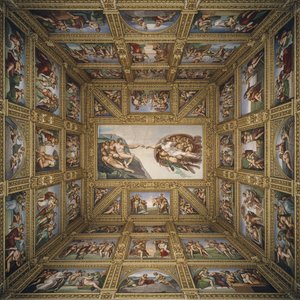
The architecture of the library emphasizes order and purpose. Above the shelves, the vaulted ceiling was painted by Pellegrino Tibaldi. The iconography of the ceiling depicts the seven liberal arts, theology, and philosophy. These figures provide a visual representation of the knowledge housed within the walls.
The Royal Pantheon and Dynastic Legacy
The Royal Pantheon functions as the final resting place for the Habsburg dynasty. Within these walls, the remains of Charles V and Isabella of Portugal are interred. The site also houses the tombs of Philip II and his successors, securing the lineage of the Spanish monarchy within the monastery's granite structure. This collection of burials establishes the complex as a dynastic mausoleum.
The interior architecture of the pantheon reflects the sobriety of the Herrerian style. Polished Toledo marble covers the walls, accented by gold-plated bronze. The material choice emphasizes the permanence of the royal line. The layout provides a structured environment for the interment of the monarchs, maintaining a sense of order and gravity throughout the space.
Masterpieces of the Artistic Collection
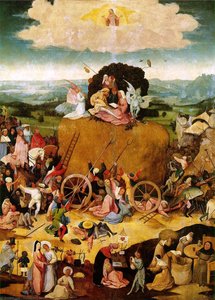
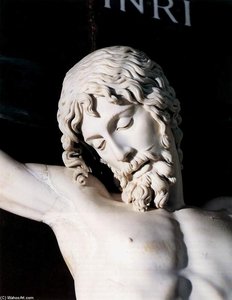
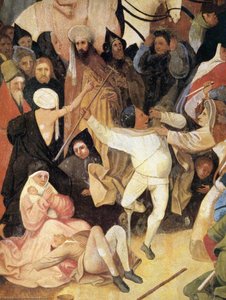
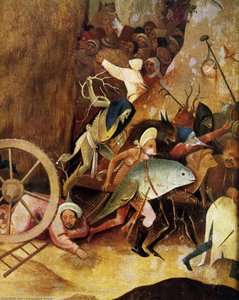
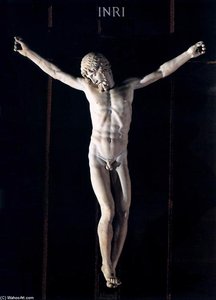
The collection within the monastery reflects the patronage of the Spanish Golden Age. Titian contributed significant works to the site, including the Crucifixion, painted about 1555. The presence of El Greco is also evident throughout the halls, with his specific influence felt in several works held here. These pieces align with the spiritual atmosphere of the complex.
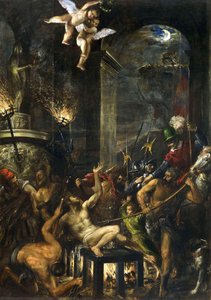
The religious spaces contain works that demonstrate the evolution of Spanish painting. José de Ribera's Martyrdom of St Lawrence is a notable Baroque work, characterized by its use of color and movement. The decoration of the Basilica and other areas also includes contributions from Luca Giordano and Claudio Coello, whose mastery of composition is evident in their respective placements.
- Martyrdom of St Lawrence, 1548 - Titian
- St Jerome, 1575 - Titian
- Joseph's Bloody Coat Brought to Jacob (detail), 1630 - Diego Velázquez
- Penitent St Jerome, 1515 - Simon Bening