San Maurizio al Monastero Maggiore: A Symphony of Renaissance Splendor
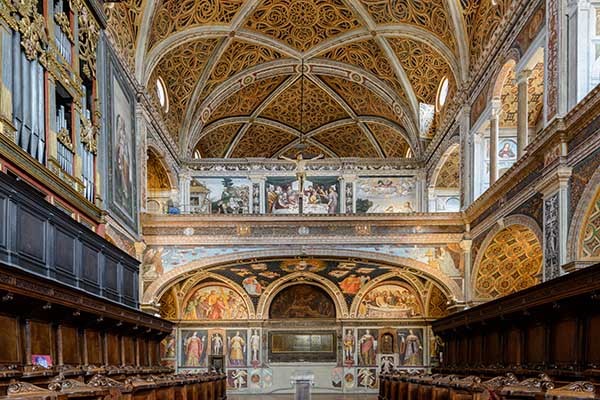
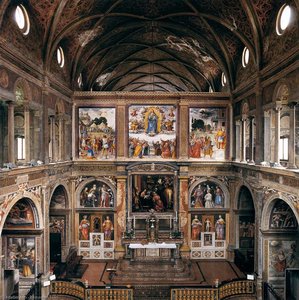
Nestled within Milan’s vibrant cityscape, San Maurizio al Monastero Maggiore stands as a testament to the enduring power of faith and artistic innovation. More than just a church, it's an immersive experience—a journey back to the 16th century where breathtaking frescoes illuminate biblical narratives and celebrate the legacy of Lombard Renaissance art. Its reputation as “The Sistine Chapel of Milan” isn’t merely hyperbolic praise; it’s earned through meticulous craftsmanship and a profound understanding of artistic symbolism.
-
A Legacy Rooted in Antiquity:
The church's origins trace back to Lombard times, incorporating remnants of Roman structures—a polygonal tower and bell tower that once formed part of the Hippodrome—underscoring Milan’s rich architectural heritage. Subsequent reconstructions solidified its position as a cornerstone of civic identity.
-
Architectural Harmony:
Designed by Gian Giacomo Dolcebuono and Cristoforo Solari, the church embodies the ideals of Renaissance architecture. Its grey stone façade exudes elegance and stability, while vaulted interiors ascend towards the heavens, creating an atmosphere conducive to contemplation and artistic appreciation.
Frescoes That Breathe: The Life of Saint Maurizio
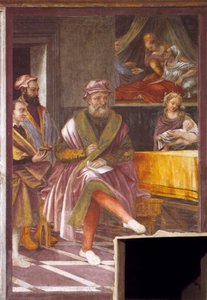
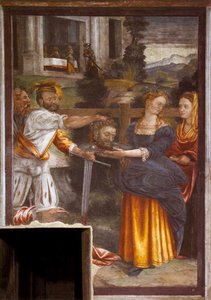
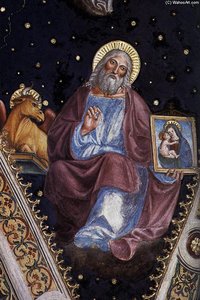
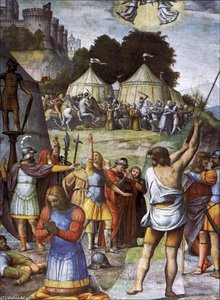
The true marvel of San Maurizio lies within its nave, where a monumental cycle of frescoes dominates the visual landscape. Painted by Bernardino Luini, Antonio Campi, and Simone Peterzano—artists who themselves were influenced by Michelangelo’s Sistine Chapel—these canvases depict scenes from the Life of Saint Maurizio, offering unparalleled insight into Renaissance artistic techniques and theological interpretations. Luini's masterful use of sfumato—a subtle blending of colors to create soft transitions—captures the ethereal beauty of biblical figures and landscapes alike. Campi’s meticulous detail brings forth vibrant depictions of saints and martyrs, while Peterzano’s dramatic compositions convey a palpable sense of spiritual fervor.
Notable Artistic Treasures
Beyond the frescoes themselves, San Maurizio boasts several exceptional artworks. Among them is Antonio Campi's ‘Adoration of the Magi,’ showcasing his mastery of perspective and compositional balance—a technique that reflects the broader Renaissance preoccupation with realism. Furthermore, Aurelio Luini’s son Bernardino contributed to the church’s artistic ensemble, demonstrating a continuation of familial artistic tradition. And don’t miss the historic organ crafted by Giovan Giacomo Antegnati in 1554 – a magnificent instrument that speaks volumes about Milanese musical culture during its formative years.
A Cultural Beacon: Concerts and Exhibitions
San Maurizio al Monastero Maggiore isn’t merely a repository of art; it's an active participant in Milan’s cultural life. Its spacious nave serves as a concert hall, hosting performances that resonate with the church’s spiritual ethos. Moreover, periodic exhibitions illuminate lesser-known aspects of Renaissance art and history, attracting scholars and enthusiasts from across Europe. Recent initiatives have focused on exploring connections between Lombard artistic traditions and broader European movements.
Why San Maurizio Stands Apart
What distinguishes San Maurizio al Monastero Maggiore from countless other churches is its extraordinary confluence of factors: the sheer scale and grandeur of its frescoes, the harmonious blend of architectural styles reflecting Milan’s multifaceted past, and its enduring role as a cultural center. It's a place where art history comes alive—where visitors can contemplate masterpieces created during one of Europe’s most transformative periods and appreciate the legacy of artists who shaped the Renaissance canon. Visiting San Maurizio al Monastero Maggiore is an unforgettable encounter with Milanese artistic heritage.