Sant'Andrea: A Renaissance Vision in Mantua
The Basilica di Sant’Andrea in Mantua, Italy, stands as an unparalleled testament to the brilliance of
Leon Battista Alberti and the transformative spirit of the
Italian Renaissance. More than just a church, it represents a radical reimagining of architectural design—a deliberate embrace of
classical ideals interwoven with humanist innovation that continues to inspire awe centuries later. Its enduring appeal lies not only in its grandeur but also in the profound
symbolism embedded within its walls and the remarkable artworks housed therein.
-
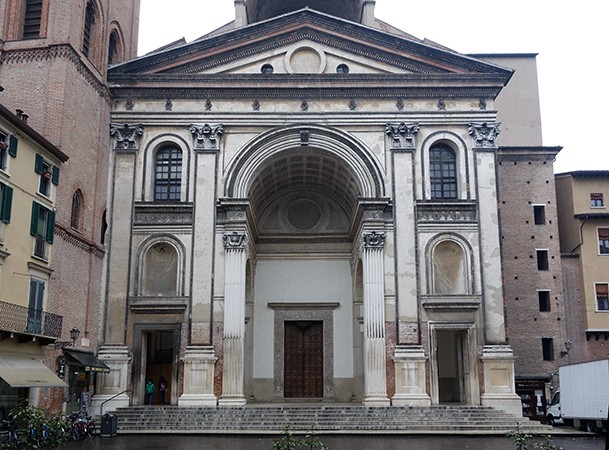
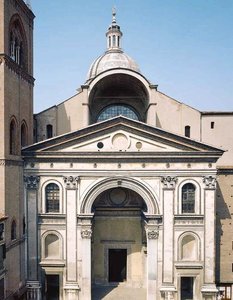
Architectural Innovation: Alberti’s conception was revolutionary for his time. Rejecting Gothic ornamentation, he championed symmetry, proportion, and mathematical precision—principles derived from Roman architecture—to create a building that embodies harmony and elevates the human spirit. The basilica's façade is dominated by colossal Corinthian columns, mirroring those of Hadrian’s Pantheon, establishing an immediate connection to antiquity.
-
The Relic of Christ’s Blood: At its heart resides a venerated relic—drops of Christ’s blood believed to have been collected at the Crucifixion. This potent symbol draws pilgrims from across Europe and underscores the basilica's significance as a site of spiritual devotion.
A Symphony of Color and Perspective: Artistic Treasures Within
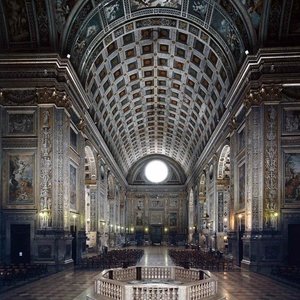
The interior of Sant’Andrea is equally captivating, adorned with frescoes by Andrea Mantegna and
Giulio Romano that exemplify
Renaissance artistic mastery. Mantegna’s monumental ‘
Triumphs of Caesar (scene 4)’—a breathtaking
fresco depicting Roman imperial grandeur—employs innovative perspective techniques to transport viewers into the heart of antiquity. Similarly,
Romano's Sala dei Giganti showcases a dramatic interplay of
light and shadow, creating an immersive experience that reflects the humanist fascination with observation and
realism. The Sala dei Giganti is currently housed at Hampton Court Palace.
Historical Context: Shaping Renaissance Architecture
Constructed in 1475 under Gonzaga patronage, Sant’Andrea served as a beacon of artistic ambition during a period marked by intellectual ferment and cultural revival.
Alberti's design profoundly influenced subsequent architects across Italy and beyond, establishing it as one of the earliest examples of
Renaissance church architecture—a pivotal moment in
European art history. Its influence can be seen in numerous buildings constructed throughout the sixteenth century.
Notable Exhibitions & Ongoing Preservation Efforts
Sant’Andrea has hosted several prestigious exhibitions showcasing its artistic heritage and architectural significance, attracting scholars and visitors alike. Ongoing preservation initiatives ensure that this masterpiece remains accessible to future generations, safeguarding its structural integrity and preserving the vibrancy of its artworks.
What Sets Sant'Andrea Apart: A Legacy Enduring Through Time
Sant’Andrea distinguishes itself as a singular achievement—a harmonious blend of classical grandeur and humanist innovation that transcends stylistic conventions. Its unwavering commitment to architectural excellence, coupled with the presence of iconic frescoes and the enduring power of its
religious symbolism, cements its place among Italy's most treasured cultural landmarks. Visiting Sant’Andrea offers an unforgettable journey into the heart of
Renaissance artistry and intellectual curiosity.