

A Dialogue Between Empires: The Basilica di Santa Maria degli Angeli e dei Martiri
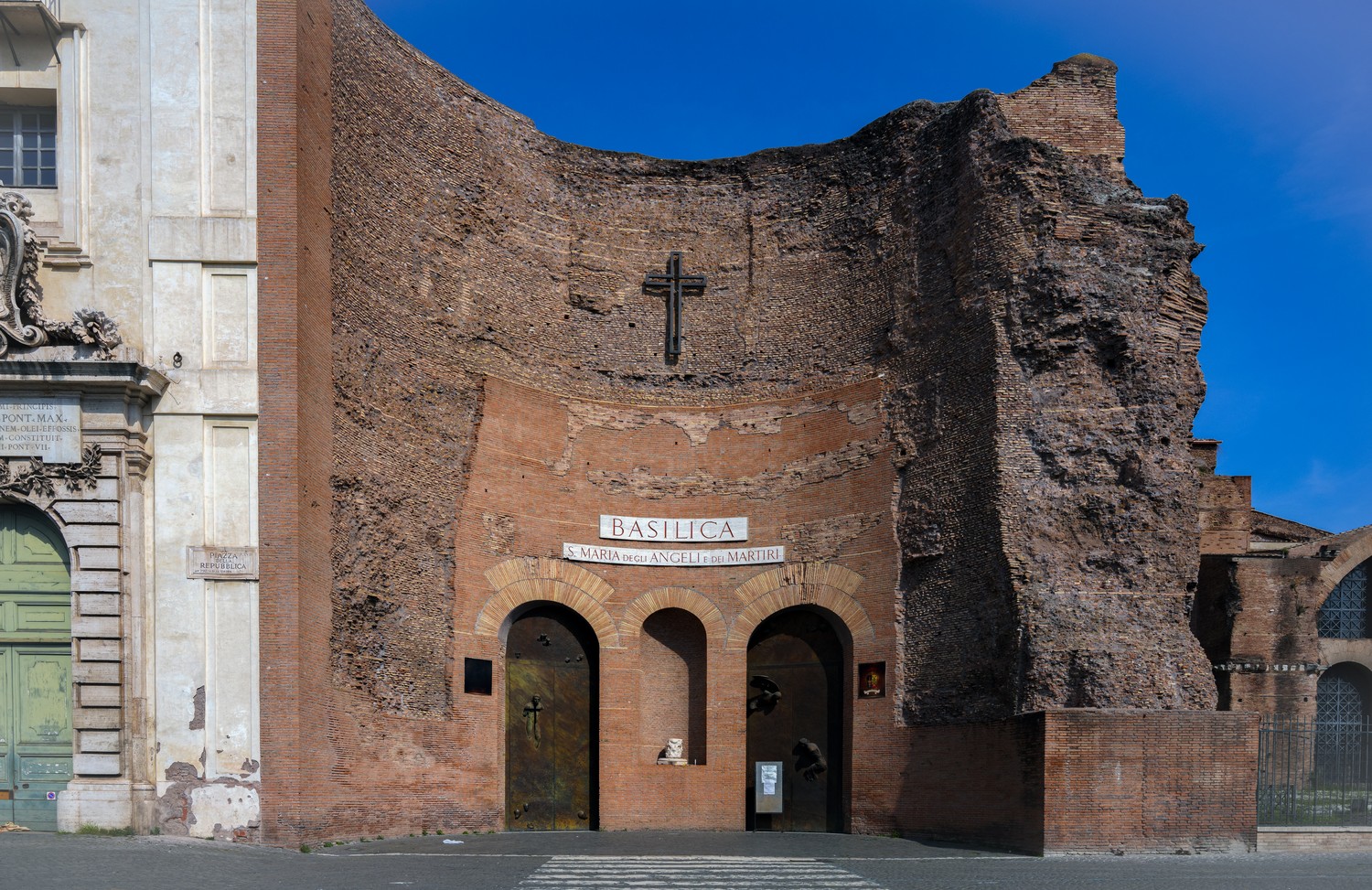
Rome is a city built upon layers of time—each cobblestone whispering tales of triumph and tragedy, each palazzo guarding secrets of bygone eras. Few places embody this palimpsest quite like the Basilica di Santa Maria degli Angeli e dei Martiri. It isn’t simply a church nestled amongst ancient ruins; it exists within them, a breathtaking testament to adaptation, resilience, and artistic vision. Stepping into its cool interior is akin to entering a sacred echo chamber where the ghosts of Roman bathers mingle with the fervent prayers of generations past.
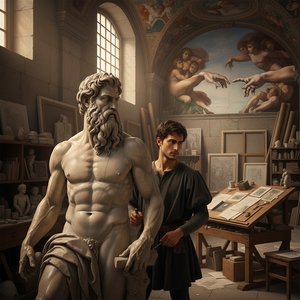
Originally conceived as part of the sprawling Baths of Diocletian—a social and architectural marvel completed in 306 AD—this space underwent an extraordinary transformation in the 16th century. Pope Pius IV entrusted Michelangelo Buonarroti with its reimagining, a project audacious in its scope: to repurpose a crumbling relic of imperial grandeur into a house of worship. The sheer ambition of this undertaking is captivating, and Michelangelo responded with characteristic brilliance. He didn’t seek to erase the past but rather to engage in a profound dialogue with it.
Michelangelo's Vision: Harmonizing Antiquity and Divinity
Rather than constructing a conventional façade, Michelangelo cleverly utilized the suggestive niche of one of the ancient calidarium exedras—a remnant of the opulent baths—creating an entrance that feels both monumental and intimately connected to the site’s history. The vast vaulted transept stretches over 90 meters, emphasizing the immense scale of the original baths and serving as a powerful reminder of Rome's imperial ambition. Michelangelo skillfully incorporated surviving Roman granite columns and brickwork into the basilica’s structure, allowing these ancient elements to speak for themselves within the sacred space. He raised the floor level, subtly altering the relationship between the colossal columns and the new interior, crafting a perspective that inspires awe.
The work continued after Michelangelo's death by Jacopo Del Duca and later Luigi Vanvitelli, each adding their own layer to this evolving masterpiece—a collaborative effort reflecting Rome’s artistic spirit across centuries. While Vanvitelli’s façade was later partially dismantled in the 20th century to reveal more of the original Roman structure, it speaks to the ongoing negotiation between preservation and interpretation that defines the basilica's identity.
Treasures Within: Artful Echoes of Roman Splendor
The basilica houses a remarkable collection of Renaissance artworks that seamlessly blend with its architectural grandeur. Frescoes by Raffaello Sanzio and Pietro Bembo adorn the walls, depicting scenes from biblical narratives alongside portraits of papal dignitaries—a testament to the artistic fervor of the era. However, it’s the basilica's unique features that truly elevate it beyond a mere religious building; they illuminate the intersection of faith and scientific inquiry.
The Meridian Line, painstakingly inlaid in marble and adorned with zodiac signs, stands as a tangible symbol of Roman intellectual curiosity—a sophisticated instrument for tracking time and celestial events during the Renaissance. The Chapel of San Bruno houses an imposing statue of Saint Bruno of Cologne by Jean Antoine Houdon—a sculpture celebrated for its remarkable realism and emotional depth, capturing the saint’s solemn gaze with unparalleled precision. And the magnificent organ gifted to Pope John Paul II from the city of Rome, housed within the same chapel, fills the basilica with resonant sound during services and concerts—creating an immersive experience that transcends time.
A Legacy Forged in Adaptation
Santa Maria degli Angeli e dei Martiri is more than just an architectural marvel or a repository of artistic treasures; it embodies Rome’s enduring capacity for cultural preservation—a remarkable demonstration that history can inspire creativity. Walking through its serene halls, one feels enveloped by the spirit of two distinct eras—the grandeur of imperial Rome and the contemplative beauty of Renaissance faith.
For art lovers seeking timeless elegance, collectors desiring context beyond mere aesthetics, or interior designers striving for spaces imbued with profound spiritual resonance, Santa Maria degli Angeli e dei Martiri remains a destination that transcends time itself—a testament to Rome’s enduring legacy and its ability to transform ruins into sanctuaries of beauty and contemplation. It offers an unparalleled opportunity to contemplate the continuity of civilization—to witness the weight of history beneath your feet while simultaneously experiencing the inspiration of artistic vision.