
A Masterpiece of Illusion: The Architectural Magic of Santa Maria presso San Satiro
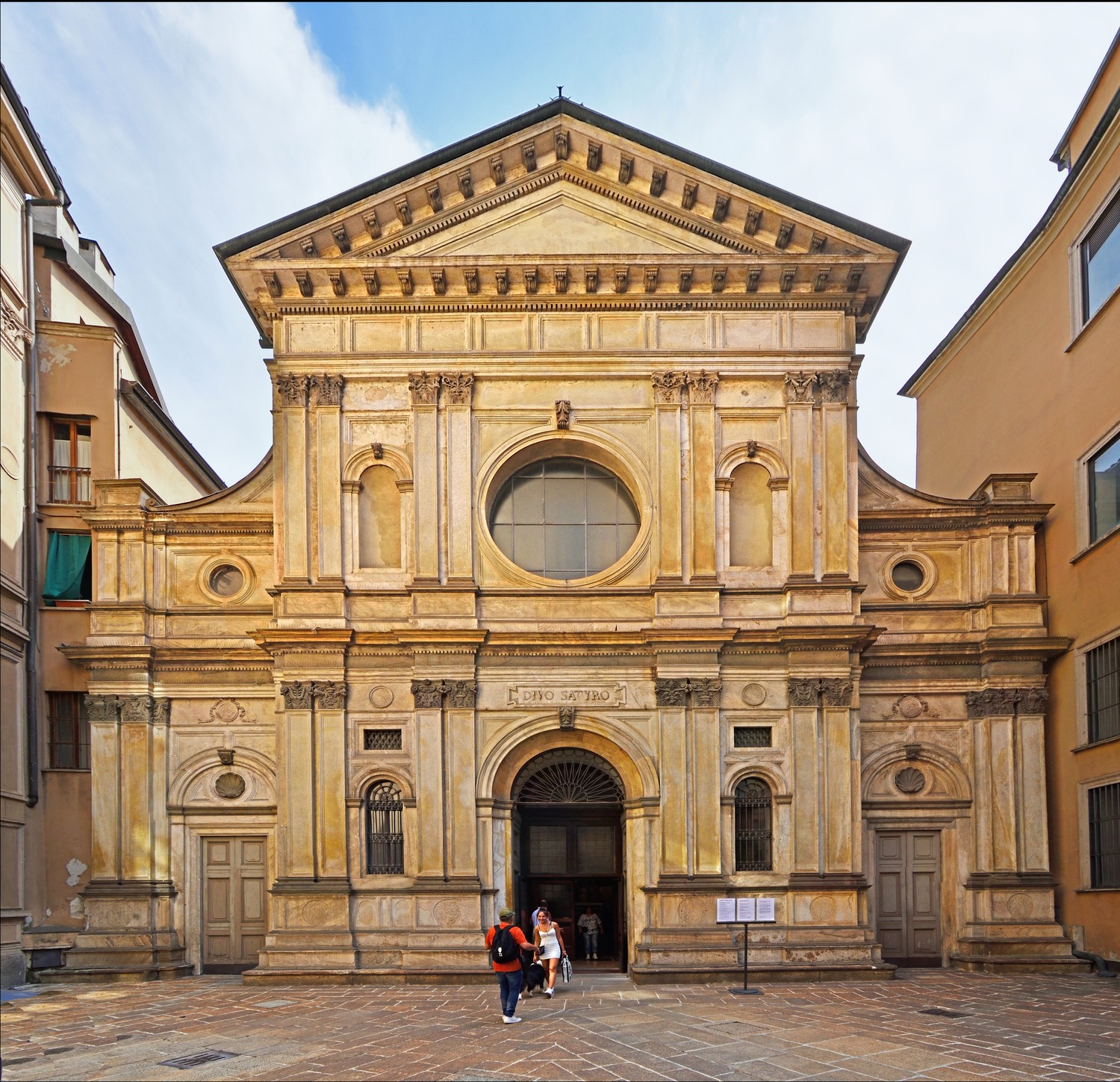
In the bustling heart of Milan, tucked away from the modern rush of Via Torino, lies a sanctuary where the boundaries between reality and art dissolve. Santa Maria presso San Satiro is not merely a church; it is a profound testament to the power of human ingenuity and the Renaissance desire to transcend physical limitations. To step inside this sacred space is to enter a dialogue with history, where the heavy stones of a medieval shrine meet the light-filled brilliance of High Renaissance innovation. The air within these walls seems to hold the breath of centuries, preserving a moment when architects first learned to use perspective not just as a tool for measurement, but as a medium for spiritual transcendence.
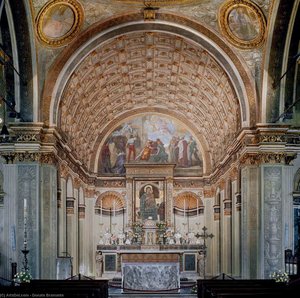
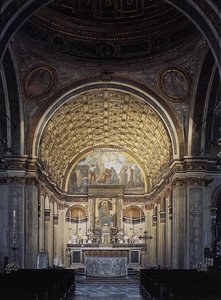
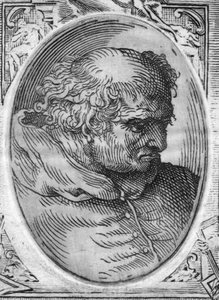
The true soul of this monument resides in its most famous inhabitant: the breathtaking trompe-l'œil apse. Attributed to the legendary Donato Bramante , this architectural feat serves as one of the earliest and most daring examples of perspective manipulation in the Renaissance era. Faced with the structural reality of a cramped space that prevented the construction of a traditional deep apse, Bramante employed a masterful deception. Through a sophisticated use of painted architectural elements and vanishing points, he created the illusion of an expansive, grander sanctuary. For the visitor, the effect is nothing short of miraculous; the eye is tricked into perceiving a vast, soaring depth where there is only a flat surface, inviting a sense of wonder that bridges the gap between the earthly and the divine.
A Tapestry of Lombard Tradition and Artistic Ingenuity
Beyond this singular illusion, the church offers a rich tapestry of Lombard artistic tradition. The architecture itself tells a story of layered eras, from its 9th-century origins as a chapel dedicated to Saint Satyrus to its late 15th-century reconstruction under the patronage of the Sforza dukes. Within its aisles, one can encounter the delicate touch of Giovanni Antonio Amadeo , whose sculptural work and façade design embody the elegance of the period. The presence of terracotta busts by Agostino de Fondulis and fragments of biblical frescoes adds a tactile, human dimension to the grandeur, reminding us that this space was built as much for personal devotion as it was for architectural experimentation.
For the interior designer or the wandering aesthete, Santa Maria presso San Satiro offers an unparalleled lesson in how structure can dictate emotion. It is a place where the heavy, Romanesque bell tower anchors the building to its ancient roots, while the airy, light-filled nave pulls the spirit upward. This harmonious fusion of the old and the new makes the church a unique destination—a hidden gem that rewards those who look closely. Whether one is studying the technical brilliance of Bramante’s perspective or admiring the soulful craftsmanship of Amadeo’s sculptures, the experience is one of profound discovery, proving that even within the tightest constraints, art can create infinite horizons.