

A Pulse of Contemporary Vitality: The Biennale of Sydney
In the heart of Australia’s most vibrant cityscape, the Biennale of Sydney emerges not merely as an exhibition, but as a rhythmic pulse that redefines the global contemporary art landscape every two years. Since its audacious inception in 1973, envisioned by Franco Belgiorno-Nettis at the iconic Sydney Opera House, this festival has served as a profound catalyst for intellectual curiosity and cultural dialogue. Unlike traditional museums that act as silent repositories for the past, the Biennale is a living, breathing entity that prioritizes the urgent conversations of the present. It is a place where the boundaries of art are constantly tested, inviting collectors and enthusiasts alike to witness the emergence of groundbreaking voices that challenge our perceptions of identity, ecology, and social justice.
The essence of the Biennale lies in its transformative curatorial vision, which eschews permanent holdings in favor of ephemeral, powerful thematic journeys. Each edition is a carefully orchestrated encounter with the unknown, weaving together works from across continents to address the pressing complexities of our era. For the discerning eye and the sophisticated collector, these exhibitions offer more than mere aesthetic pleasure; they provide a deep, visceral engagement with the very fabric of human experience. One might find themselves lost in the profound Indigenous knowledge systems explored in NIRIN (2020), or tracing the fluid metaphors of interconnectedness within the rīvus (2024) exhibition. The current iteration, Ten Thousand Suns , invites us into a realm of pure imagination, demonstrating the festival's unique ability to use art as a tool for reimagining our collective future.
Architectural Metamorphosis and Urban Integration
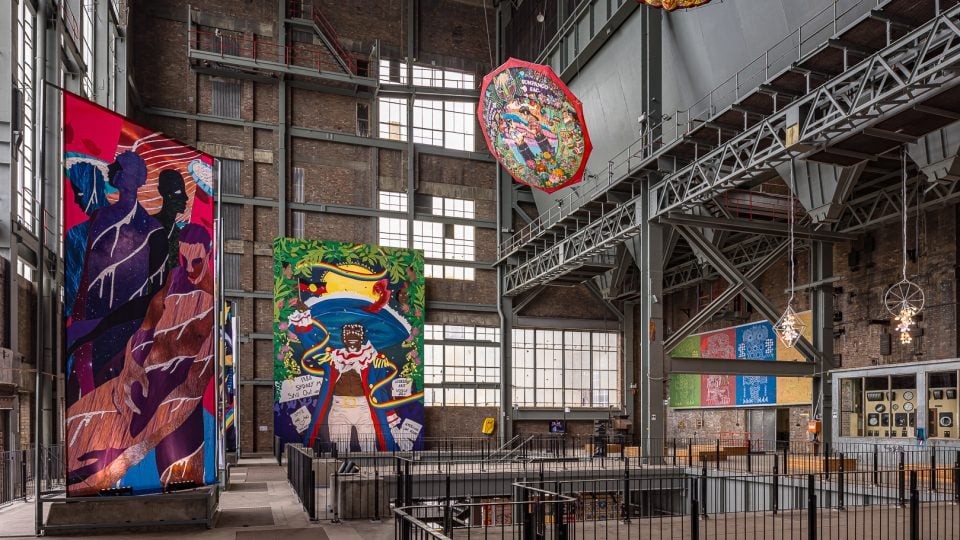
The architectural soul of the Biennale is as dynamic as its programming, often finding its most striking expression through the repurposing of Sydney’s industrial heritage. The transformation of the White Bay Power Station —a monumental industrial complex—into a sprawling exhibition space serves as a breathtaking metaphor for the festival's mission: to breathe new life into existing structures and perspectives. This strategic use of diverse, site-specific venues ensures that art is never isolated within white walls but instead permeates the urban fabric, sparking spontaneous conversations in the streets. The stark, skeletal beauty of industrial architecture provides a hauntingly perfect backdrop for works that grapple with themes of change, decay, and rebirth, creating an immersive environment that captivates both the casual visitor and the serious scholar.
A Global Vision: Redefining Art History
What truly distinguishes the Biennale of Sydney is its unwavering commitment to a decentralized, inclusive vision of art history. Moving away from Eurocentric traditions, the festival has become a vital champion for artists from the Asia-Pacific region and beyond, fostering a global network of creative exchange. This evolution reflects a broader movement toward a more equitable cultural landscape, where the voices of the marginalized are elevated to the center stage. The collection of experiences offered here is unparalleled, featuring works such as:
- Mervyn Kamara Rubuntja’s breathtaking Northern Territory landscapes, rendered in vibrant watercolour, which reflect the profound struggles for Indigenous rights and housing justice.
- Jorge Nicholson Moore Barradas’ psychedelic digital collages, where layered color and gestural references evoke the raw energy of abstract expressionism.
- Henry Coombes’ hypnotic black and white filmic explorations, such as I am the Architect , which merge the surreal with the structural to explore the intersection of art and architecture.
For interior designers seeking to capture a sense of contemporary movement or collectors looking for works that provoke critical reflection, the Biennale remains an essential destination. It is a sanctuary for works that confront uncomfortable truths and envision the limitless possibilities of tomorrow, making it a cornerstone of the international contemporary art circuit.