A Symphony of Steel and Stone
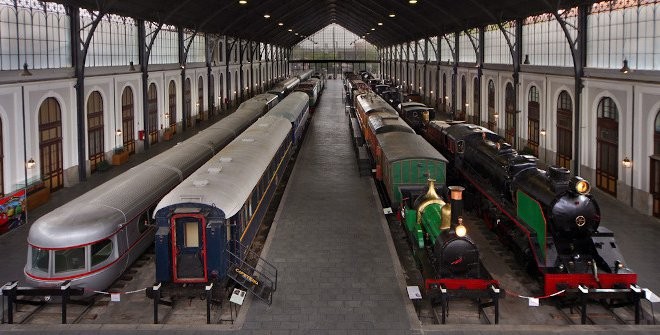
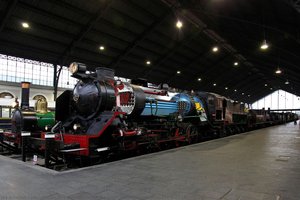
In the heart of Madrid, where the echoes of a single industrial era still resonate through grand arches, lies the Spanish Railways Foundation. Housed within the breathtaking Madrid-Delicias Station, this museum is far more than a mere collection of locomotives; it is a living chronicle of Spain’s transformation. As one enters the magnificent Beaux Arts structure, completed in 1896, the sheer scale of the architecture commands reverence. The soaring ceilings, adorned with intricate mosaics and bathed in a soft, natural light that filters through expansive halls, create an atmosphere of cathedral-like grandeur. This setting is not merely a backdrop but a deliberate extension of the exhibits themselves, providing a sense of continuity between the opulent rail travel of the past and the architectural splendor of the late 19th century.
The Evolution of Motion and Design
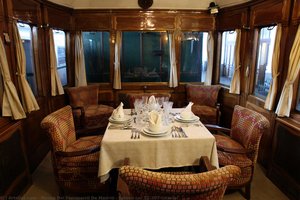
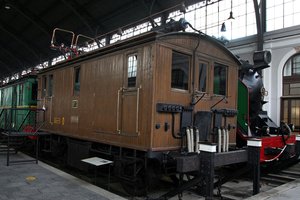
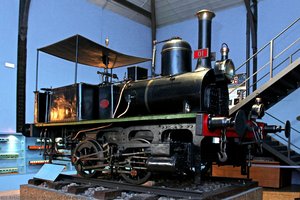
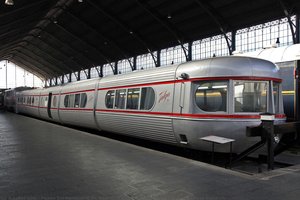
The collection itself serves as a breathtaking assemblage of mechanical marvels that have shaped the nation's destiny. Visitors are transported through time by witnessing the evolution of movement, from the pioneering steam engines that first propelled Spain into the modern age to the sleek, cutting-edge high-speed trains that represent the pinnacle of contemporary innovation. Among these treasures, the vintage carriages stand as poignant reminders of a lost era of elegance, their exquisite craftsmanship offering a tangible connection to the social customs and luxurious rhythms of yesteryear. For the discerning collector or art lover, pieces such as the photographic depiction of the
Talgo II
offer a stunning study in industrial design, capturing how the streamlined beauty of the train harmonizes with the ornate textures of its historic surroundings.
The Artistry of Connectivity
Beyond the physical machinery, the museum serves as a vital repository for cartographic and historical artistry. The archives hold remarkable documents that reveal the intricate web of connectivity that redefined Spanish society, showcasing how technical precision can blossom into graphic beauty. Within these halls, one finds:
-
The
Map of Spanish railways published by Renfe
in 1958, a vintage cartographic illustration that serves as a nostalgic lens through which to view the nation's infrastructure.
-
The 1881 lithography by
Santiago Folch y Torres
, depicting the kilometric gross products of Spanish and Portuguese railways, which offers a masterclass in aged topographic detail.
These works represent an invaluable intersection of science, geography, and fine art, appealing to those who find beauty in the precision of historical documentation.
A Bridge Between Eras
What truly distinguishes the Spanish Railways Foundation is its role as a bridge between history and contemporary culture. Through meticulously researched exhibitions that explore themes of urbanization, migration, and technological revolution, the museum engages with the profound social impacts of the railway. It is a destination where historians, scholars, and interior designers find common ground—a place where the rugged strength of iron meets the delicate beauty of historical documentation. For those seeking to bring a sense of timelessness and industrial elegance into their personal spaces, the museum’s legacy offers endless inspiration, celebrating a heritage of progress that continues to move the soul.