

Origins and History of the Institution
The foundations of the Städelsche Kunstinstitut Und Städtische Galerie were laid in 1815 as a civic foundation. This establishment grew from the personal collection and vision of Johann Friedrich Städel, a man whose professional life spanned roles as a banker, businessman, and spice merchant. Born in Frankfurt am Main in 1728, he was a dedicated patron of the arts who sought to make his acquisitions accessible to the public. By 1817, the institution was formally established, marking the beginning of a legacy that remains significant in German history.
As Germany's oldest museum foundation and the nation's oldest private museum foundation, the institution carries a weight of continuity. The transition from a private assembly of paintings, drawings, and prints to a public institution was rooted in the founder's desire to foster artistic engagement. This early commitment to civic duty ensured that the collection would remain a permanent presence in Frankfurt, evolving alongside the city itself.
The Evolution of the Museum Architecture
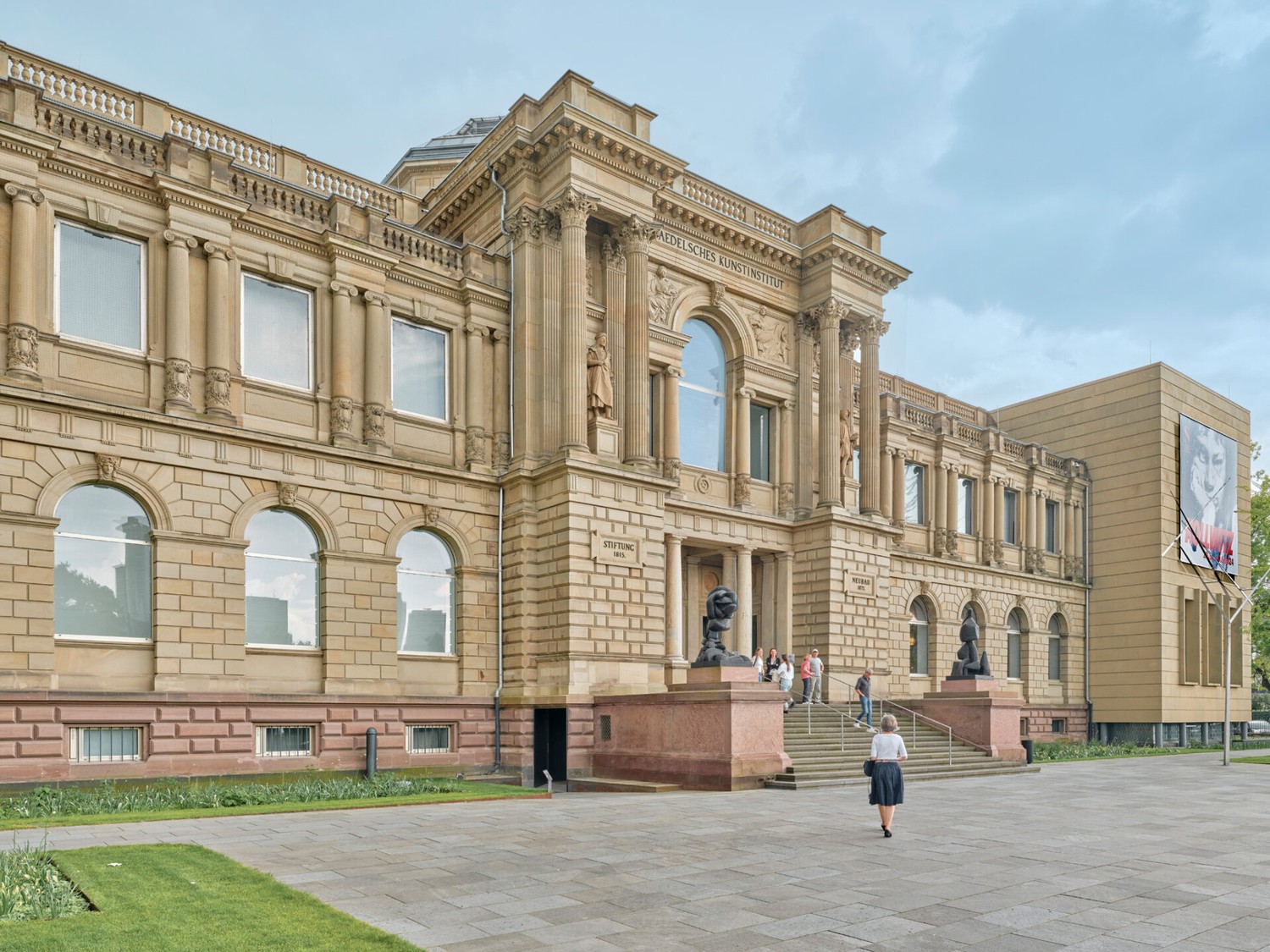
The architectural presence of the Städelsche Kunstinstitut Und Städtische Galerie reflects a continuous dialogue between different eras. The complex exists as a harmonious blend of historic architecture and modern design, where the weight of the past meets the lightness of contemporary thought. The building’s façade, clad in shimmering stainless steel panels, interacts with the shifting light of Frankfurt, creating an ever-changing interplay of light and shadow across its surface.
A significant transformation occurred with the most recent addition, completed in 2012. This extension, designed by the architectural firm Schneider+Schumacher, occupies an underground space beneath the museum’s garden. It represents a deliberate expansion that respects the existing fabric of the site. The structure features a domed green roof punctuated by 195 skylights, which allow natural light to filter into the contemporary exhibition spaces below. These portholes create a specific rhythm of illumination, treating the architecture itself as a deliberate object of contemplation.
A Diverse Collection of Artworks
The collection spans over seven centuries, tracing a continuous line from the early fourteenth century to the present day. It encompasses 3,100 paintings and 660 sculptures, providing a physical record of changing aesthetic priorities. These works reflect the shifts of the Renaissance, the Baroque, and early Modern art, allowing for a direct comparison of how light and form have been interpreted across the ages.
Beyond the canvas and stone, the holdings include more than 4,600 photographs and an extensive archive of more than 100,000 drawings and prints. This breadth ensures that the evolution of visual language is documented through many different media. The presence of significant works by Claude Monet, Pablo Picasso, Max Beckmann, and Gerhard Richter places the institution within the context of both historical movements and contemporary practice.
The depth of the collection is evident in the specific objects that remain on view:
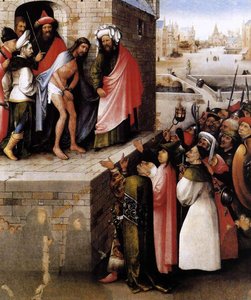
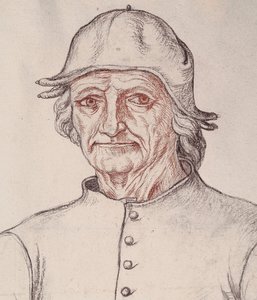
- Ecce Homo, about 1475 - Hieronymus Bosch
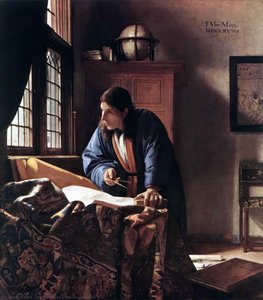
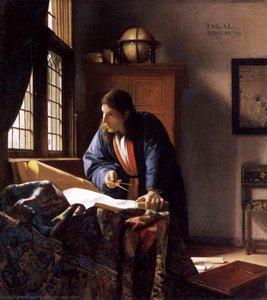
- The Geographer, 1669 - Johannes Vermeer
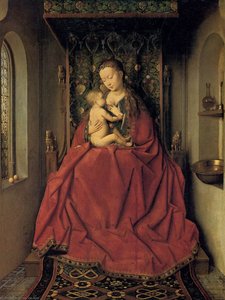
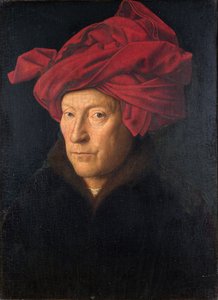
- Suckling Madonna Enthroned, 1436 - Jan van Eyck
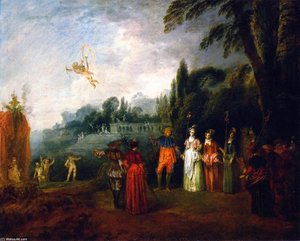
- The Island of Cythera, 1709 - Jean-Antoine Watteau
- Young Girl Reading, 1886 - Pierre-Auguste Renoir
Masterpieces of the Art Collection
The presence of the Old Masters within these walls offers a quiet encounter with the foundations of European painting. Hieronymus Bosch’s Ecce Homo, dating from about 1475, commands attention through its intense psychological weight. Nearby, the luminous landscapes of Lucas Cranach the Elder provide a different kind of light, capturing the subtle shifts of the natural world. These works exist not as mere images, but as physical presences that have endured through the centuries.
The collection’s depth is further revealed in its handling of portraiture and sacred subjects. Jan van Eyck’s Suckling Madonna Enthroned, from about 1436, demonstrates a precision of form that defines the era. In the realm of secular portraiture, the 1536 likeness of Simon George of Quocote by Hans Holbein the Younger captures a specific, steady dignity. Johannes Vermeer’s The Geographer, painted in 1669, invites a slower observation of light and quiet contemplation.
- Ecce Homo, about 1475 - Hieronymus Bosch
- Suckling Madonna Enthroned, about 1436 - Jan van Eyck
- Portrait of Simon George of Quocote, 1536 - Hans Holbein the Younger
- The Geographer, 1669 - Johannes Vermeer
Exhibitions and Educational Programs
The museum maintains a constant state of change through a diverse range of temporary exhibitions held throughout the year. These displays often bring together works on loan from prestigious international museums, allowing for rare encounters with art that exists elsewhere. Such exhibitions provide a way to see specific movements or individual artists in a focused context, moving beyond the permanent collection to offer fresh perspectives on art history.
Education is central to the institution's mission, facilitated through a wide array of programs. These include workshops, lectures, and guided tours designed to foster a deeper engagement with the works on display. For those interested in contemporary art, the “Close Up” program offers a specific way to examine modern voices. Beyond the public-facing activities, the museum's research department conducts scholarly investigations into art history, contributing to the broader understanding of creative practice and its historical context.
The Museumsufer and Rooftop Experience
The museum occupies a prominent position along Frankfurt’s Museumsufer, a riverside promenade situated on the banks of the Main River. This cultural landscape is filled with artistic treasures, providing a quiet backdrop to the institution's presence. The proximity to the water allows the surrounding environment to influence the atmosphere of the site, connecting the architecture to the natural flow of the river.
The Schaumainkai Rooftop offers a different perspective on the city. From this terrace, the Frankfurt skyline and the river are visible in a wide panorama. It functions as an informal gathering place where the urban landscape meets the open air. The space provides a moment of stillness, allowing for a view of the city's movement from a height.
Recent Architectural and Digital Projects
The museum has expanded its physical presence through a significant underground extension that opened in February 2012. This addition functions as an art gallery situated beneath the garden, effectively increasing the total display area from 4,000 m2 to 7,000 m2. The structure is characterized by a domed green roof featuring 195 circular skylights, which allow light to penetrate the subterranean spaces. This architectural choice integrates the new exhibition rooms into the existing landscape while providing dedicated space for contemporary works.
Beyond the physical walls, the institution has embraced digital engagement to broaden access to its holdings. Visitors can engage in a digital stroll through 700 years of art, offering a way to experience the collection's breadth through a virtual medium. This digital presence complements the tangible experience of the galleries, ensuring the works remain accessible through modern technological means.