
The History and Origins of SMK
The Statens Museum For Kunst traces its lineage back to the private art collections amassed by Danish monarchs. These royal holdings provided the foundation for what would become the largest art museum in Denmark. While the institution's roots are tied to these sovereign collections, its formal establishment is marked by two significant dates. The museum was established in 1824, and later, in 1896, it took on its current identity. This evolution reflects a transition from private royal enjoyment to a public mission. The founding purpose was to provide the public with access to art, moving these treasures from the seclusion of palaces into a shared space.
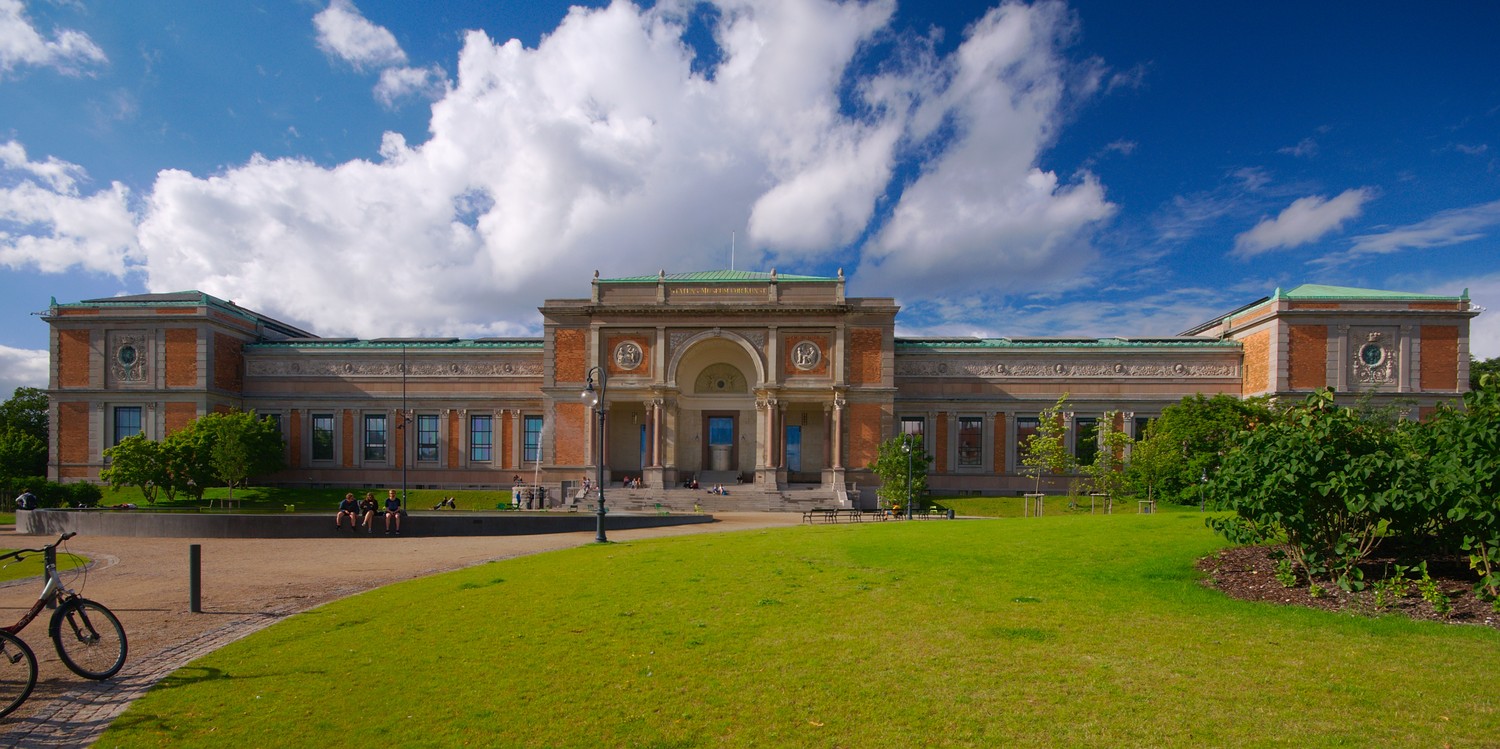
The physical presence of the museum is defined by its Neo-Classical architecture. Designed by Christian Lassen in 1894, the building occupies a central position in Copenhagen, Denmark. Its imposing façade, characterized by soaring columns and intricate detailing, reflects the architectural aspirations of the late 19th century. The structure was intended to be a grand civic space, a permanent home for the nation's visual history. Within these walls, the transition from the private sphere to the public realm is palpable, as the architecture itself seeks to honor the legacy of the works it houses.
A Diverse and Comprehensive Art Collection
The collection encompasses more than 260,000 pieces, tracing a lineage of creativity that spans seven centuries. These holdings include European art from the Renaissance to the present day, offering a continuous view of changing aesthetics. Within these walls, one finds early medieval illuminated manuscripts that precede the more modern movements. The museum places a strong emphasis on Danish and Nordic art, ensuring the regional identity remains central to the experience.
The sheer scale of the holdings, which include 240,000 artworks, allows for a deep study of how artistic expression has evolved. The presence of works from the past seven centuries provides a sense of historical continuity. Each piece exists as a physical presence, from the delicate detail of ancient manuscripts to the expansive canvases of later eras. The breadth of the collection ensures that the evolution of form and color is always visible.
- The Testament of Eudamidas, 1653
- Portrait of a Man, 1575
- The Nathanson Family, 1818
- A Funeral, 1891
Masterpieces and Notable Artists
The collection spans the breadth of European art from the Renaissance to the present day. One finds the presence of great masters like Mantegna and Rubens alongside the shifting aesthetics of later centuries. The Danish Golden Age remains a central pillar of the holdings, offering a specific clarity of form and light. Within these walls, the works of Matisse and Derain represent a significant focus, particularly in how color and structure interact on the canvas.
The dialogue between historical traditions and contemporary expression is constant. Significant works by Edvard Munch and Vilhelm Hammershøi invite a quiet contemplation of the human condition. While the older canvases speak of established legacies, the inclusion of artists such as Abramovic, Danh Vo, and the duo Elmgreen & Dragset brings the tension of the modern era into the same space. This proximity allows for a direct comparison between the classical techniques of the past and the experimental nature of current artistic practice.
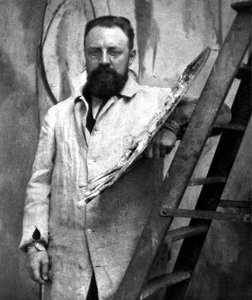
- The Joy of Life (study), about 1905 - Henri Matisse
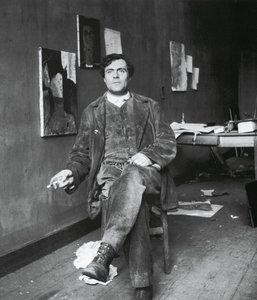
- Pierrot, about 1915 - Amedeo Clemente Modigliani
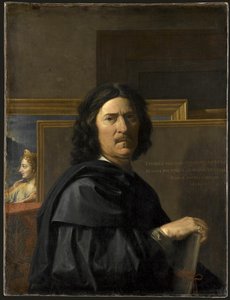
- The Testament of Eudamidas, 1653 - Nicolas Poussin
- Portrait of a Man, 1575 - El Greco


