


The Origins and History of Tate Britain
The foundations of Tate Britain were laid by Sir Henry Tate, whose vision established a dedicated space for the nation's artistic output. The institution opened its doors on 21 July 1897, initially operating under the name National Gallery of British Art. This early period focused on securing a permanent home for the country's visual history, building a collection that would grow alongside the changing landscape of British creativity.
As the decades progressed, the institution's identity shifted to reflect its expanding role. From 1897 until 1932, it maintained its designation as the National Gallery of British Art. Following this, the name was changed to the Tate Gallery, a title it held for much of the twentieth century. This era saw the institution evolve through significant cultural shifts, eventually leading to the name Tate Britain in March 2000.
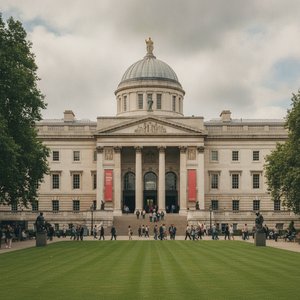
The site itself occupies a significant location in London, situated on the former grounds of the Millbank Prison. This transition from a place of confinement to a center for artistic study marks a profound change in the character of the riverside site. The history of the building is tied to the very evolution of the art it holds, moving from the formal structures of the late Victorian era into the modern age.
The Grand Architecture and Building Design
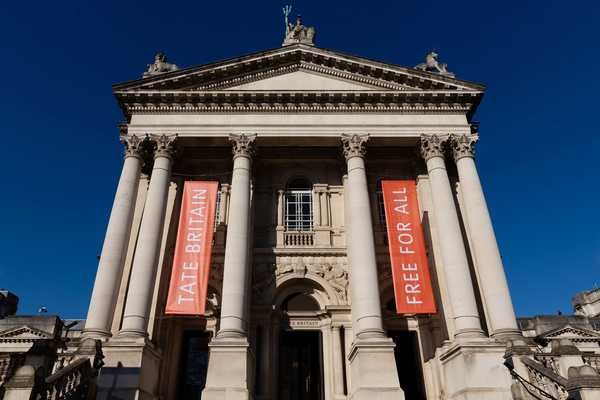
Situated on Millbank in the City of Westminster, London, England, the building occupies the site of the former Millbank Prison. Construction was undertaken by Higgs and Hill, resulting in a structure that balances classical proportions with modern sensibilities. The architectural presence is defined by this dialogue between tradition and contemporary design. In 1970, the building was granted Grade II* listed status.
A significant renovation was completed in 2013 to update the interior for modern requirements. This project included the creation of nine new galleries, which feature reinforced flooring to support the weight of heavy sculptures. The physical space allows for a quiet encounter with the art, providing a structured environment for contemplation. The layout facilitates a sense of continuity between the historical fabric of the building and its current function.
A Vast Collection of British Art
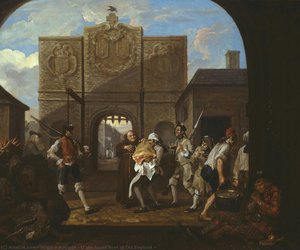
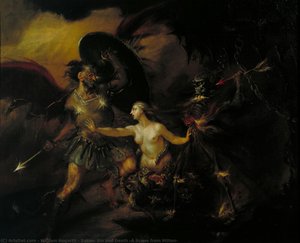
The collection encompasses over 500 years of British art, acting as a national gallery for the nation's creative output from 1500 to the present day. It holds a substantial assembly of works dating back to the Tudor era. These pieces exist as physical presences that trace the evolution of a specific visual language through the centuries.
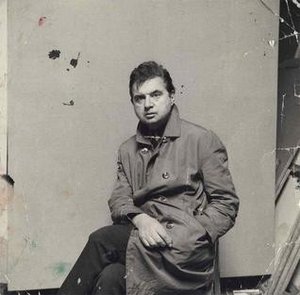
Large holdings of works by J.M.W. Turner occupy a significant portion of the holdings, offering a deep look into his specific approach to light and atmosphere. The breadth of the collection extends into the modern and contemporary eras, where the presence of artists such as David Hockney, Peter Blake, and Francis Bacon provides a connection to more recent developments in British expression. Each era is represented by the specific materials and techniques of its time.
- Ophelia, 1851
- The Lady of Shalott, 1888
- The Shipwreck, 1805
- Three Studies for Figures at the Base of a Crucifixion, 1944
Masterpieces of the Permanent Collection
The presence of the Pre-Raphaelite movement is felt deeply through the works of Sir John Everett Millais. His painting Ophelia remains one of the most famous works held here, a central fixture of the collection. Nearby, the weight of myth and legend is carried by John William Waterhouse in The Lady of Shalott. These canvases demand a quiet attention, inviting a stillness that matches the gravity of their subjects.
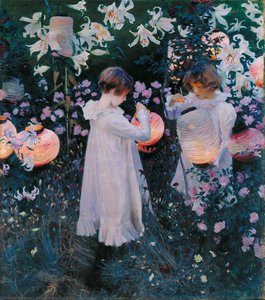
Light and atmosphere define much of the experience within these walls. J.M.W. Turner’s The Shipwreck captures a sense of elemental force, while John Singer Sargent’s Carnation, Lily, Lily, Rose offers a different study of light and color. Dante Gabriel Rossetti’s Proserpine adds a layer of symbolic depth to the permanent holdings, existing as a quiet, enduring presence among the many layers of British art history.
- Ophelia, 1851
- The Lady of Shalott, 1888
- Carnation, Lily, Lily, Rose, 1885
- The Shipwreck, 1805
- Proserpine, 1874
Exhibitions and Artistic Dialogue
The museum functions as a site for ongoing critical engagement through its curated displays. Every other year, the halls host the annual Turner Prize exhibition, an event that brings contemporary focus to the institution. This cycle of programming ensures that the dialogue between historical collections and current movements remains active. Recent years have seen the presentation of "David Hockney: Arrival," which examined the use of iPad technology in capturing landscapes and portraits. Such exhibitions demonstrate how artistic mediums adapt to technological shifts while maintaining their expressive power.
The scope of these presentations extends to global perspectives and specific atmospheric studies. The exhibition "Nigerian Modernism" explored the movements that emerged in Nigeria during the mid-20th century, highlighting artists who challenged colonial narratives through experimentation. Additionally, the museum has held exhibitions focused on the works of Claude Monet, specifically looking at his fascination with fleeting moments and atmospheric effects, such as the way light reflects off the Thames in "The London Harbour."